Caring for Your Tooth After Root Canal
A root canal can save a badly infected tooth and protect your overall oral health. But many people assume the treatment ends once they leave the dental chair. In reality, proper care after a root canal is just as important as the procedure itself. The way you look after your treated tooth can determine how well it heals, how long it lasts, and whether you avoid future complications.
If you’ve recently undergone a root canal or are planning for one, understanding the procedure and the right aftercare routine can help you maintain a strong, healthy smile says Dr Rimjhim Bhatnagar, who is one of the most experienced dental surgeons for root canal surgery in Delhi, India.
What Is a Root Canal?
A root canal, medically known as endodontic therapy, is a procedure designed to treat infection inside the tooth. Deep decay, cracks, repeated dental treatments, or trauma can allow bacteria to reach the pulp—the soft inner tissue containing nerves and blood vessels. When this pulp becomes infected, it often causes sharp pain, sensitivity, and swelling.
During a root canal, the dentist removes the infected pulp, thoroughly cleans and shapes the inside of the tooth, and fills the root canals with a biocompatible material to prevent bacteria from returning. Finally, the tooth is sealed.
Although the tooth is saved, it becomes slightly weaker because the inner living tissue has been removed, which is why most root canal–treated teeth require a crown for long-term strength and protection.
How to Care for Your Tooth After a Root Canal?
In the first few days after the procedure, some tenderness is normal. This usually settles as the tooth heals, but how you care for it during this time makes a big difference. Follow any medicines prescribed by your dentist to manage discomfort and prevent infection. Antibiotics, if given, should always be completed even if you start feeling better.
While the treated tooth may feel normal quickly, avoid chewing on that side until your permanent crown is placed. The tooth is still vulnerable, and biting down on hard or sticky foods can fracture it. Stick to softer meals initially and gradually return to your regular diet once your dentist confirms that the tooth has healed properly.
Good oral hygiene is essential. Brush gently but thoroughly twice a day using a soft-bristle toothbrush and fluoride toothpaste. Daily flossing helps keep the gums around the treated tooth healthy and prevents plaque from accumulating. Some dentists may recommend an antibacterial mouthwash for a short period to reduce bacterial load—use it only as directed.
One of the most important steps after a root canal is getting your crown on time. A root canal makes the tooth hollow from the inside, and without a crown, its structure remains weak. Delaying the crown increases the risk of cracks, chips, and reinfection. A well-fitted crown restores full chewing strength, protects the tooth’s structure, and ensures long-term stability.
It’s also important to monitor your tooth for any unusual symptoms. Mild discomfort is common, but severe or worsening pain, swelling, prolonged sensitivity, or any discharge should be brought to your dentist’s attention immediately. These signs may indicate reinfection or issues with the restoration.
Long-Term Maintenance for a Root Canal Tooth
After the initial healing, maintaining your treated tooth is similar to caring for any natural tooth. Regular dental checkups help your dentist ensure that the crown is intact and that the surrounding gums remain healthy. If you grind your teeth at night, using a night guard can prevent excessive pressure on the crown. Avoid habits like nail-biting, chewing ice, or using your teeth to open packages, as these can damage the restored tooth over time.
A root canal is a highly effective way to save a damaged or infected tooth, but the success of the procedure depends heavily on the care you take afterward. By maintaining good oral hygiene, completing your crown on time, watching for unusual symptoms, and staying consistent with dental visits, you can protect your treated tooth and keep it functioning comfortably for years. If you follow the right steps, your root canal tooth can last as long as your natural teeth—often for a lifetime.
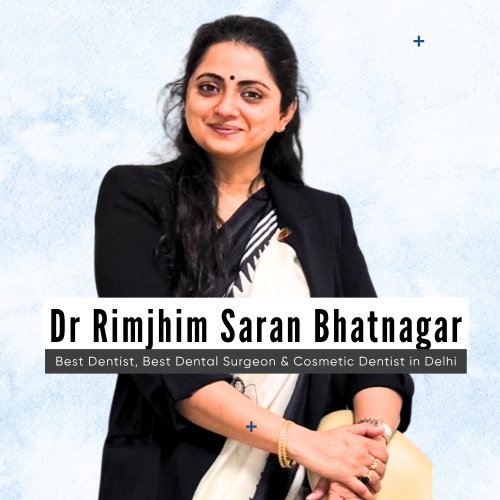
With an illustrious career spanning nearly two decades, Delhi’s best dentist, the leading dentist who specialises in root canal treatment, dental implants, pediatric dentistry, cosmetic dentistry, dental surgeries, and more, Dr Rimjhim Saran Bhatnagar, is a highly skilled and experienced dental specialist committed to providing exceptional patient care. Her expertise encompasses a comprehensive range of advanced dental procedures, from routine oral care to complex restorative and cosmetic treatments.
Dr. Rimjhim holds a Bachelor of Dental Surgery (BDS) and a Master’s Degree in Oral Medicine, Oral Diagnosis, and Oral Radiology. With over 12 years of experience working in some of the leading Delhi government hospitals, she has earned a reputation as one of the best dentists in Delhi, the best dental surgeons in Delhi, and a top cosmetic dentist in Delhi.… Read More