Failed Root Canal? Here’s Why a Good Endodontist Matters
Summary
- Persistent pain or swelling may indicate a failed root canal.
- Complex canals and untreated infection can contribute to failure.
- An experienced endodontist can assess retreatment options to help save the tooth.
A root canal is often seen as the final solution to severe tooth pain, infection, or damage. When done correctly, it can save a natural tooth for many years, even a lifetime. However, not all root canal treatments succeed. Persistent pain, swelling, or reinfection after the procedure can leave patients confused and frustrated. A failed root canal is not just about the procedure itself; it often highlights the importance of who performs it. This is where the expertise of a skilled endodontist truly matters, says Dr. Rimjhim Saran Bhatnagar, who is a leading endodontist in Delhi.
Why Can a Root Canal Fail?
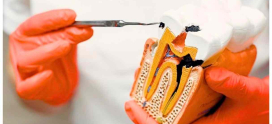
Root canal treatment involves removing infected or inflamed pulp from inside the tooth, thoroughly cleaning and shaping the root canals, and sealing them to prevent further infection. The internal structure of a tooth, however, can be complex. Some teeth may have narrow, curved or additional canals that are difficult to identify and treat.
If an infected area remains untreated or the canals are not adequately cleaned and sealed, bacteria can continue to multiply and cause reinfection. In some cases, leakage around a filling or crown, a new cavity, or a crack in the tooth can also contribute to treatment failure.
Signs of a Failed Root Canal
A tooth that has undergone root canal treatment should generally become comfortable as it heals. Persistent or recurring symptoms may indicate that further evaluation is necessary.
Pain when biting or chewing, sensitivity, swelling around the tooth, a recurring gum boil, tenderness or an unpleasant taste may indicate continuing infection. However, discomfort after treatment does not automatically mean that a root canal has failed. Some soreness can occur during the normal healing period, making professional assessment important.
The Role of an Experienced Endodontist
Endodontists specialise in diagnosing and treating problems involving the dental pulp and tissues surrounding the roots of teeth. Their additional training and experience can be particularly valuable when a root canal is complicated or has already failed.
Modern endodontic treatment may involve advanced magnification, specialised instruments and imaging technologies that help identify complex canal anatomy and locate areas of infection. Careful cleaning, shaping and sealing of the canals can improve the chances of preserving the natural tooth.
Retreatment Can Often Save the Tooth
A failed root canal does not necessarily mean that the tooth must be extracted. Depending on the cause of failure and the condition of the tooth, nonsurgical root canal retreatment may be an option.
During retreatment, the previous filling material is removed, the canals are carefully examined and cleaned again, and the tooth is resealed. In certain situations where infection persists around the root tip or conventional retreatment is not suitable, an endodontic surgical procedure may be considered.
Prevention Starts With Proper Treatment
Choosing an experienced dental professional from the beginning can help reduce the risk of complications. A thorough examination before treatment, accurate diagnosis, appropriate imaging and careful attention to the tooth’s anatomy are all important.
Patients should also follow post-treatment instructions and ensure that the tooth receives its final restoration when recommended. A properly placed crown or other restoration can help protect a root canal-treated tooth from further damage.
Protecting Your Natural Tooth
A failed root canal can be frustrating, but it does not always mean that the tooth is beyond saving. Identifying the underlying cause and choosing the right treatment can often make the difference between losing and preserving the natural tooth.
The expertise of an experienced endodontist becomes especially important when the tooth has complex anatomy, persistent infection or requires retreatment. With accurate diagnosis, advanced techniques and careful treatment, root canal therapy can continue to be an effective way to preserve natural teeth.

With an illustrious career spanning nearly two decades, Delhi’s best dentist, the leading dentist who specialises in root canal treatment, dental implants, pediatric dentistry, cosmetic dentistry, dental surgeries, and more, Dr Rimjhim Saran Bhatnagar, is a highly skilled and experienced dental specialist committed to providing exceptional patient care. Her expertise encompasses a comprehensive range of advanced dental procedures, from routine oral care to complex restorative and cosmetic treatments.
Dr. Rimjhim holds a Bachelor of Dental Surgery (BDS) and a Master’s Degree in Oral Medicine, Oral Diagnosis, and Oral Radiology. With over 12 years of experience working in some of the leading Delhi government hospitals, she has earned a reputation as one of the best dentists in Delhi, the best dental surgeons in Delhi, and a top cosmetic dentist in Delhi.… Read More