Wondering If Your Child Needs Braces? Here’s Everything You Should Know
A healthy, confident smile is more than just an aesthetic benefit; it plays a crucial role in a child’s oral health and overall well-being. Many parents wonder if their child might need braces, but the signs are not always obvious.
Early intervention can prevent more serious dental issues in the future, making it essential to understand when orthodontic treatment might be necessary. While braces are often associated with teenagers, children as young as seven can benefit from a professional evaluation.
This article by Dr Rimjhim Saran Bhatnagar, who is a top dentist for children in Delhi, Gurguram and NOIDA will guide you through everything you need to know about braces, how they work, and the factors to consider when deciding if your child might need them.
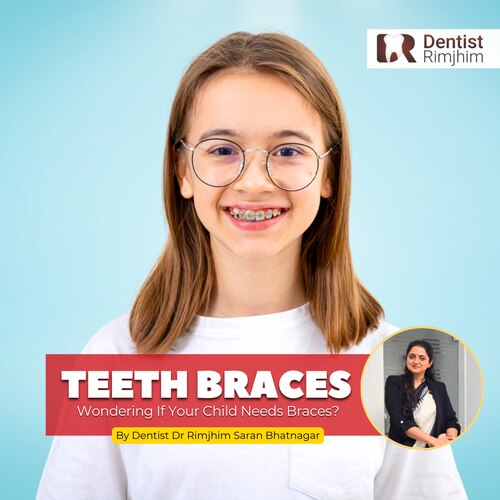
What Are Braces?
Braces are orthodontic devices designed to correct teeth alignment, bite issues, and jaw irregularities. They work by applying gentle, continuous pressure to teeth, gradually moving them into their proper positions.
Braces are most commonly made of metal brackets, ceramic brackets, or clear aligners, all of which are attached to the teeth and connected by wires or plastic trays.
While the appearance of braces can vary, their purpose is universal: to improve oral function, promote healthy jaw alignment, and enhance the overall appearance of a smile.
Orthodontists tailor braces to each child’s unique dental structure, ensuring that treatment addresses both functional and cosmetic concerns.
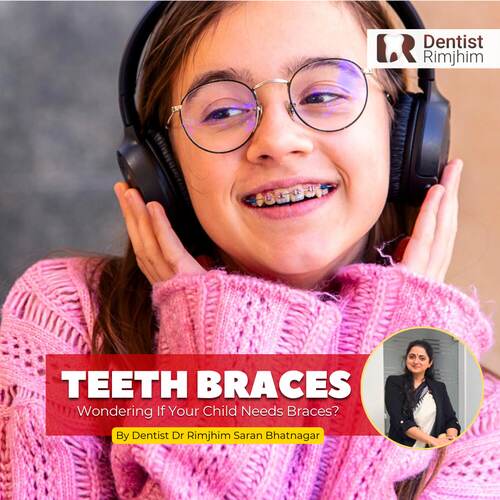
How Braces Work?
According to Dr Rimjhim Bhatnagar who is one of the most experienced pediatric dentists in Delhi says that the process of straightening teeth involves more than simply placing brackets and wires on the teeth. When braces are applied, the orthodontist carefully positions brackets on each tooth and connects them with an archwire.
This wire exerts pressure on the teeth, encouraging them to shift over time. Periodic adjustments are necessary to guide teeth in the desired direction. In some cases, additional devices such as rubber bands or spacers may be used to correct more complex bite issues.
Although the process can take months to years, the long-term benefits of properly aligned teeth are significant, including improved chewing function, reduced risk of tooth decay, and a lower likelihood of jaw strain.
Signs Your Child Might Need Braces
Identifying whether your child requires braces involves observing both their teeth and jaw alignment. Some common signs include overcrowded or crooked teeth, difficulty chewing or biting, speech impediments, and early or late loss of baby teeth.
Additionally, noticeable gaps between teeth, protruding teeth, or an uneven bite may indicate underlying orthodontic issues. While these signs can suggest the need for braces, a professional evaluation by an orthodontist is the most reliable way to determine the appropriate treatment.
Early assessments allow orthodontists to recommend preventive measures or early interventions, which can shorten the duration of braces treatment and reduce complications in the future.
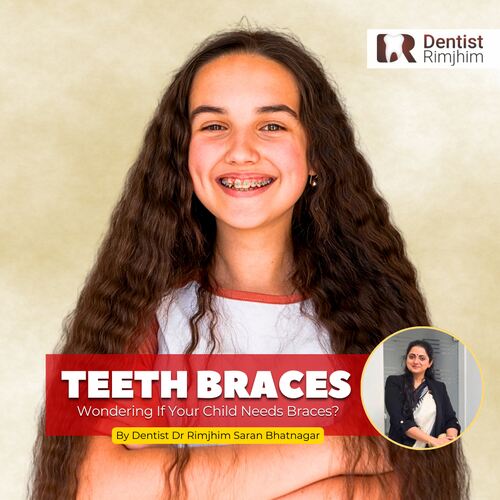
The Benefits of Braces for Children
Beyond cosmetic improvement, braces offer significant functional benefits for children. Properly aligned teeth are easier to clean, reducing the risk of cavities and gum disease.
Correcting bite issues can also prevent excessive wear on teeth and alleviate jaw discomfort. In some cases, braces can help with speech difficulties by aligning teeth that interfere with proper pronunciation.
Furthermore, children who undergo orthodontic treatment often experience increased self-confidence as their smiles improve, which can have a positive impact on social interactions and emotional well-being.
Age Considerations and Timing
Timing is critical when considering braces for children. The American Association of Orthodontists recommends that children have their first orthodontic evaluation by age seven. At this stage, a dentist can detect potential problems with jaw growth, tooth eruption, and alignment.
Early intervention, sometimes referred to as Phase One treatment, can correct issues while the child’s mouth is still developing, often making future treatment easier and more effective.
However, not all children need immediate braces; some may only require monitoring until their permanent teeth have fully emerged. Consulting with a qualified orthodontist ensures that treatment is started at the most beneficial time.
Deciding whether your child needs braces is a combination of observation, professional evaluation, and understanding the potential benefits of orthodontic treatment. Braces are more than a cosmetic tool; they are a long-term investment in your child’s oral health, function, and confidence.
By recognizing the signs of misaligned teeth and seeking timely advice from an orthodontist, parents can ensure that their children enjoy healthy, straight smiles for years to come. Early attention and proper treatment can prevent more serious issues, making the journey to a perfect smile a worthwhile endeavor.
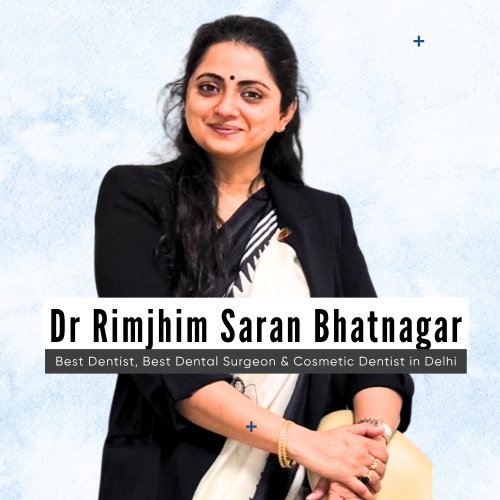
With an illustrious career spanning nearly two decades, Delhi’s best dentist, the leading dentist who specialises in root canal treatment, dental implants, pediatric dentistry, cosmetic dentistry, dental surgeries, and more, Dr Rimjhim Saran Bhatnagar, is a highly skilled and experienced dental specialist committed to providing exceptional patient care. Her expertise encompasses a comprehensive range of advanced dental procedures, from routine oral care to complex restorative and cosmetic treatments.
Dr. Rimjhim holds a Bachelor of Dental Surgery (BDS) and a Master’s Degree in Oral Medicine, Oral Diagnosis, and Oral Radiology. With over 12 years of experience working in some of the leading Delhi government hospitals, she has earned a reputation as one of the best dentists in Delhi, the best dental surgeons in Delhi, and a top cosmetic dentist in Delhi.… Read More