What Parents Should Do if a Child Faces a Dental Emergency at Midnight
Summary
- Stay calm and provide basic first aid during a child’s dental emergency.
- A knocked-out permanent tooth needs prompt dental attention.
- Severe swelling, bleeding, or breathing difficulty requires urgent care.
It’s every parent’s nightmare — your child wakes up in the middle of the night crying in pain, holding their mouth, and you realize something’s wrong with their teeth. Dental emergencies don’t wait for morning.
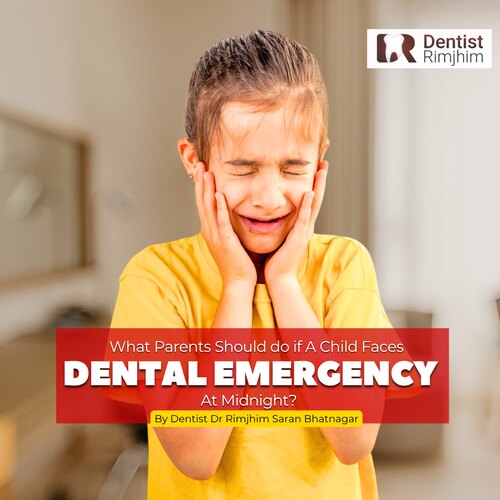
They can strike suddenly, whether it’s a severe toothache, a knocked-out tooth, or a broken filling. At that hour, when most dental clinics are closed, panic often sets in.
But staying calm and knowing what to do in those crucial moments can make all the difference in saving your child’s tooth and easing their pain, shares Dr. Rimjhim Bhatnagar, one of the leading and most experienced dentists for children in Delhi.
What Should Parents Do When a Dental Emergency Happens at Night?
The first thing parents should do is stay calm and assess the situation. Check the child’s mouth gently for swelling, bleeding, a broken tooth, or anything stuck between the teeth. Simple first-aid measures can help control pain and protect the injured area until professional dental care is available.
“Quick action and timely dental care can make a significant difference when a child faces a dental emergency.” — Dr Rimjhim Bhatnagar dentist for kids in Delhi.
Managing a Sudden Toothache
If your child wakes up with severe tooth pain, gently rinse their mouth with lukewarm water. Check whether food is trapped between the teeth and carefully floss if necessary. A cold compress placed against the outside of the cheek may help reduce pain or swelling.
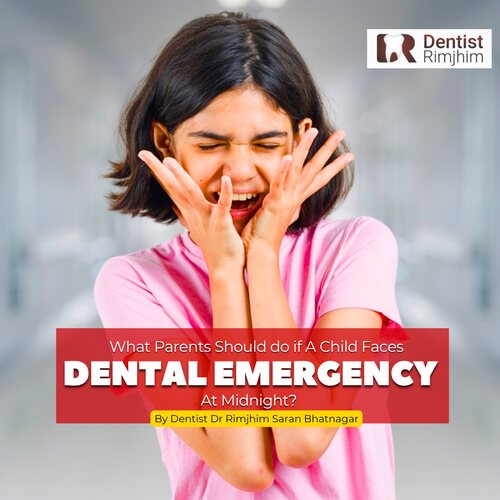 Parents should not place aspirin or other medication directly on the tooth or gums, as this can irritate or burn the delicate tissues. If pain is significant, consult a dentist or healthcare professional about an appropriate pain-relief medicine and dose for the child.
Handling a Knocked-Out Permanent Tooth
A knocked-out permanent tooth requires urgent dental attention. Hold the tooth by its crown rather than the root and gently rinse it if it is dirty. Do not scrub the tooth or remove attached tissue.
If possible and safe, the tooth can be carefully placed back into its socket. Otherwise, keep it moist in milk or a suitable tooth-preservation solution and get to a dentist as quickly as possible.
A knocked-out baby tooth should not be placed back into the socket because this can potentially affect the developing permanent tooth.
Dealing With a Broken or Chipped Tooth
A broken or chipped tooth should be handled carefully to prevent further damage. If a piece of the tooth has broken off, keep it and take it to the dentist. Rinse the child’s mouth gently with water and use a cold compress if there is swelling.
The child should avoid chewing on the affected side until the tooth has been examined by a dentist.
When Swelling or Bleeding Needs Immediate Attention
Not every dental problem requires a trip to the emergency room, but certain symptoms should never be ignored. Heavy or persistent bleeding, rapidly increasing facial swelling, difficulty breathing or swallowing, or a serious injury to the face or jaw requires immediate medical attention.
If the child has suffered a significant head injury, loss of consciousness, or other serious trauma along with dental damage, parents should seek emergency medical care rather than focusing only on the tooth.
Keeping Your Child Comfortable Until Morning
When immediate dental treatment is not required, parents can focus on keeping the child comfortable. Offer soft foods, encourage water, and avoid extremely hot, cold, hard, or sugary foods that may aggravate the affected tooth.
Parents should also contact the child’s dentist at the earliest opportunity, even if the pain appears to have settled. Dental pain can sometimes indicate an underlying problem that requires treatment.
Preventing Childhood Dental Emergencies
Regular dental check-ups, proper brushing and flossing, and limiting frequent sugary snacks can help prevent many dental problems. Children involved in contact or high-impact sports should also use a properly fitted mouthguard.
Having the dentist’s contact details readily available can also make a stressful midnight situation much easier to manage. With the right preparation and prompt professional care, parents can protect their child’s oral health even when a dental emergency occurs unexpectedly.
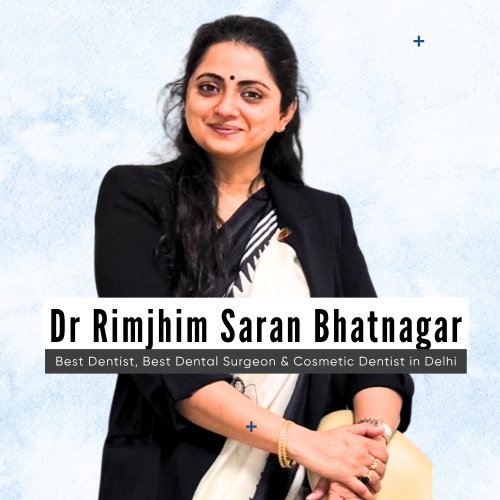
With an illustrious career spanning nearly two decades, Delhi’s best dentist, the leading dentist who specialises in root canal treatment, dental implants, pediatric dentistry, cosmetic dentistry, dental surgeries, and more, Dr Rimjhim Saran Bhatnagar, is a highly skilled and experienced dental specialist committed to providing exceptional patient care. Her expertise encompasses a comprehensive range of advanced dental procedures, from routine oral care to complex restorative and cosmetic treatments.
Dr. Rimjhim holds a Bachelor of Dental Surgery (BDS) and a Master’s Degree in Oral Medicine, Oral Diagnosis, and Oral Radiology. With over 12 years of experience working in some of the leading Delhi government hospitals, she has earned a reputation as one of the best dentists in Delhi, the best dental surgeons in Delhi, and a top cosmetic dentist in Delhi.… Read More