Tooth Extraction Recovery Tips for Faster Healing
Tooth extraction is a common dental procedure, but proper aftercare plays a crucial role in how quickly and comfortably you heal. Whether the extraction was done due to decay, infection, crowding, or wisdom tooth problems, following the right recovery steps can significantly reduce pain, swelling, and the risk of complications.
This guide explains what tooth extraction is and shares practical, dentist-recommended tips to help you heal faster and safely shares Dr Rimjhim Saran Bhatnagar who is Delhi’s top dentist for painless tooth extraction.
What Is Tooth Extraction?
Tooth extraction is a dental procedure in which a tooth is removed from its socket in the jawbone. Dentists usually recommend extraction when a tooth is severely damaged, infected, impacted, or causing alignment issues. There are two main types:
Simple Extraction: Performed on a visible tooth using local anesthesia.
Surgical Extraction: Required for impacted or broken teeth, often involving an incision in the gum.
After extraction, a blood clot forms at the site, which is essential for healing. Protecting this clot is the key to a smooth recovery.
What are Some of the Tooth Extraction Recovery Tips for Faster Healing?
Dr Rimjhim Saran Bhatnagar who is one the most experienced dentists, dental experts for tooth extraction in Delhi shares some tips.
Protect the Blood Clot
The blood clot acts as a natural bandage over the extraction site. Avoid rinsing, spitting, or touching the area for at least 24 hours. Dislodging the clot can lead to a painful condition called dry socket.
Manage Bleeding Properly
Some bleeding is normal during the first few hours. Bite gently on the gauze provided by your dentist for 30–45 minutes. If bleeding continues, replace with fresh gauze and apply steady pressure.
 Reduce Swelling and Pain
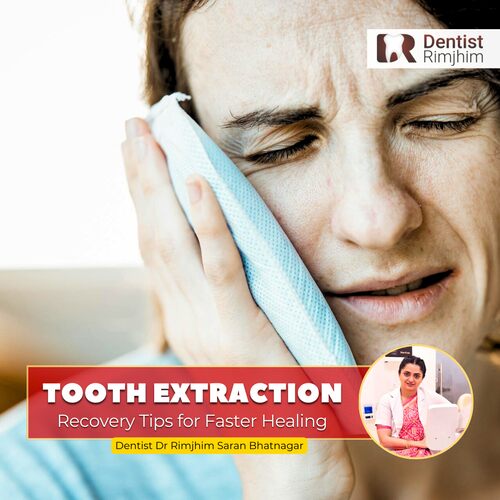
Apply an ice pack to the outside of your cheek for 15–20 minutes at a time during the first 24 hours. This helps reduce swelling and discomfort. Take prescribed or recommended pain medication as directed.
Eat Soft and Nutritious Foods
Stick to soft foods like yogurt, mashed potatoes, smoothies (without a straw), soups, and scrambled eggs for the first few days. Avoid hot, spicy, crunchy, or sticky foods that can irritate the extraction site.
Maintain Gentle Oral Hygiene
Do not brush near the extraction area for the first 24 hours. After that, brush gently and rinse with warm salt water (after 24 hours) to keep the mouth clean and prevent infection.
Avoid Smoking and Alcohol
Smoking and alcohol can delay healing and increase the risk of dry socket. Avoid them for at least 72 hours, or longer if advised by your dentist.
Rest and Avoid Strenuous Activity
Take it easy for the first 24–48 hours. Physical exertion can increase blood pressure and cause renewed bleeding at the extraction site.
Stay Hydrated (Without Straws)
Drink plenty of water to support healing, but do not use straws for at least a week. The suction can dislodge the blood clot.
What to Expect During Recovery?
Some of the things you may expect to see are:
First 24 hours: Mild pain, swelling, and bleeding are normal
2–3 days: Swelling reduces, discomfort improves
7–10 days: Gums begin to heal
2 weeks: Most people experience complete soft tissue healing
Healing time may vary depending on the complexity of the extraction and overall health.
When to Contact Your Dentist?
Seek dental care immediately if you experience:
- Severe or increasing pain after 2–3 days
- Excessive bleeding that doesn’t stop
- Fever or signs of infection
- Bad taste or foul smell from the extraction site
Tooth extraction recovery doesn’t have to be difficult. By following these aftercare tips, protecting the blood clot, and listening to your dentist’s advice, you can ensure faster healing and avoid complications. A little care in the first few days goes a long way in restoring your oral health comfortably and safely.
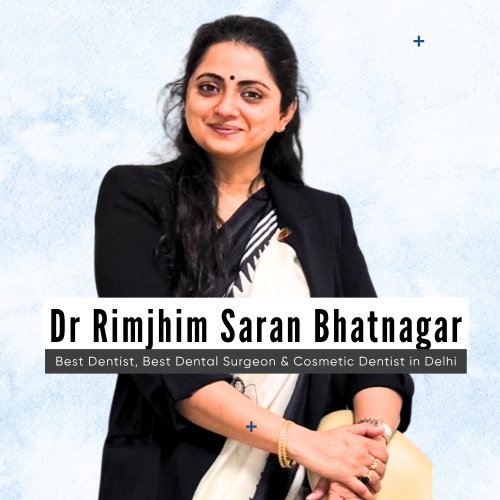
With an illustrious career spanning nearly two decades, Delhi’s best dentist, the leading dentist who specialises in root canal treatment, dental implants, pediatric dentistry, cosmetic dentistry, dental surgeries, and more, Dr Rimjhim Saran Bhatnagar, is a highly skilled and experienced dental specialist committed to providing exceptional patient care. Her expertise encompasses a comprehensive range of advanced dental procedures, from routine oral care to complex restorative and cosmetic treatments.
Dr. Rimjhim holds a Bachelor of Dental Surgery (BDS) and a Master’s Degree in Oral Medicine, Oral Diagnosis, and Oral Radiology. With over 12 years of experience working in some of the leading Delhi government hospitals, she has earned a reputation as one of the best dentists in Delhi, the best dental surgeons in Delhi, and a top cosmetic dentist in Delhi.… Read More