What Happens If You Delay Wisdom Tooth Extraction? Answers Dentist Dr. Rimjhim Bhatnagar
Summary
- Delaying a problematic wisdom tooth can increase the risk of pain, infection, and decay.
- Impacted teeth may affect the neighbouring molar and surrounding gums.
- Not every wisdom tooth needs extraction; a dental evaluation helps determine the right approach.
Wisdom teeth are the last set of molars to emerge, usually appearing during the late teens or early twenties. While some people have enough space for these teeth to grow normally, others may develop impacted, partially erupted, or misaligned wisdom teeth that can create dental problems.
Because wisdom tooth pain can sometimes disappear temporarily, many people choose to postpone extraction. However, ignoring a problematic wisdom tooth does not necessarily mean the underlying issue has gone away. Delaying treatment can allow certain dental problems to progress, explains Dr. Rimjhim Bhatnagar, a leading dentist in Delhi for tooth extraction treatment.
What Can Happen If Wisdom Tooth Extraction Is Delayed?
The consequences of delaying extraction depend on the position and condition of the wisdom tooth. If it is impacted, difficult to clean, or repeatedly causing pain and infection, postponing treatment may increase the risk of complications. A dental examination and appropriate imaging can help determine whether removal is actually necessary.
“Wisdom teeth do not always need removal, but ignoring recurring pain or infection can allow a manageable problem to become more complicated.” — Dr Rimjhim Bhatnagar, dentist in Delhi for painless tooth extraction treatment.
Recurrent Pain and Gum Inflammation
A partially erupted wisdom tooth can create a space where food and bacteria become trapped. This may cause inflammation and infection of the surrounding gum tissue, a condition commonly known as pericoronitis.
The area can become swollen, tender, and painful, and some patients may experience difficulty opening their mouth. Repeated episodes can become increasingly troublesome if the underlying tooth remains problematic.
Increased Risk of Tooth Decay
Wisdom teeth are located at the back of the mouth, making them more difficult to brush and floss effectively. If a wisdom tooth is tilted or partially erupted, cleaning around it can become even more challenging.
This can allow plaque to accumulate and increase the risk of decay in the wisdom tooth itself. In some cases, the neighbouring molar may also be affected.
Damage to the Adjacent Tooth
An impacted wisdom tooth can press against the second molar next to it. Depending on its position, this may contribute to food trapping, decay, gum problems, or damage to the neighbouring tooth.
Protecting the second molar is important because it is a functional permanent tooth that generally needs to remain healthy for many years.
Cysts and Other Complications
In some cases, an impacted wisdom tooth can be associated with a cyst or other changes around the tooth. These conditions are not common, but they are one reason dentists may recommend monitoring certain impacted wisdom teeth through examinations and X-rays.
Early assessment allows the dentist to identify such problems and decide whether treatment is necessary.
Not Every Wisdom Tooth Needs Extraction
It is important to understand that delaying extraction is not automatically harmful if the wisdom tooth is healthy, fully erupted, functional, and easy to keep clean. Some wisdom teeth can remain in the mouth without causing problems.
The decision to remove a wisdom tooth should therefore be based on its position, symptoms, oral health, and the dentist’s clinical assessment rather than age alone.
Why Regular Dental Evaluation Matters?
If a wisdom tooth is causing repeated pain, swelling, bad taste, difficulty opening the mouth, or discomfort while chewing, it should be evaluated by a dentist. Even when symptoms disappear, the underlying problem may still be present.
A clinical examination and dental X-ray can help determine the position of the tooth and whether extraction or monitoring is appropriate.
Timely Treatment Can Prevent Bigger Problems
Wisdom tooth extraction is not required in every case, but a problematic tooth should not be ignored simply because the pain has temporarily settled. Delaying necessary treatment can allow infection, decay, or damage to surrounding teeth to develop.
Seeking an evaluation early gives patients a clearer understanding of their options and can help prevent a manageable dental issue from becoming a more complicated one.
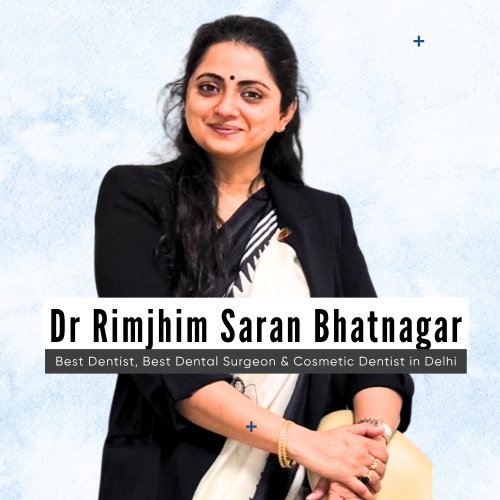
With an illustrious career spanning nearly two decades, Delhi’s best dentist, the leading dentist who specialises in root canal treatment, dental implants, pediatric dentistry, cosmetic dentistry, dental surgeries, and more, Dr Rimjhim Saran Bhatnagar, is a highly skilled and experienced dental specialist committed to providing exceptional patient care. Her expertise encompasses a comprehensive range of advanced dental procedures, from routine oral care to complex restorative and cosmetic treatments.
Dr. Rimjhim holds a Bachelor of Dental Surgery (BDS) and a Master’s Degree in Oral Medicine, Oral Diagnosis, and Oral Radiology. With over 12 years of experience working in some of the leading Delhi government hospitals, she has earned a reputation as one of the best dentists in Delhi, the best dental surgeons in Delhi, and a top cosmetic dentist in Delhi.… Read More