What Is Laser Dentistry and How Does It Work?
Summary
• Laser dentistry uses focused light beams to treat dental problems with greater precision than traditional tools.
• It reduces pain, bleeding, and recovery time, making dental procedures more comfortable for patients.
• The technology is widely used in modern dentistry for treatments like cavity removal, gum reshaping, and teeth whitening.
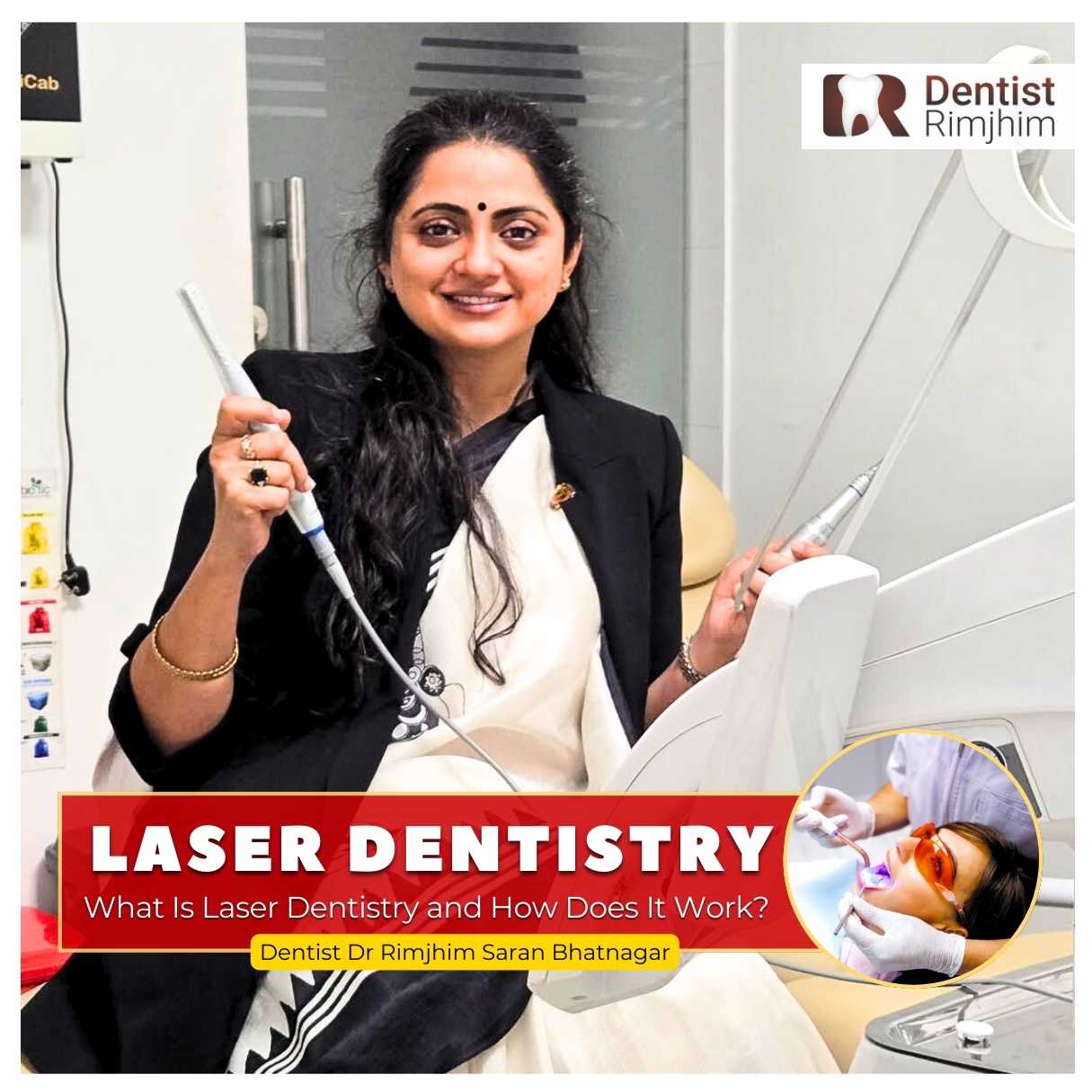
“As a dentist, I’ve seen how fear of pain often keeps people from seeking timely treatment. That’s why I’m passionate about introducing my patients to modern techniques like laser dentistry. I’ve personally witnessed how these innovations reduce discomfort, speed up healing, and transform the overall dental experience. For me, it’s not just about fixing teeth—it’s about making every patient feel safe, cared for, and confident in their smile.”
The article is Medically Reviewed by Dr Rimjhim Saran Bhatnagar, BDS, MDS, Specialised in Cosmetic Dentistry, Dental Surgery, Paedodontics and Heads the Dentist Rimjhim Multi-Speciality Dental Clinic
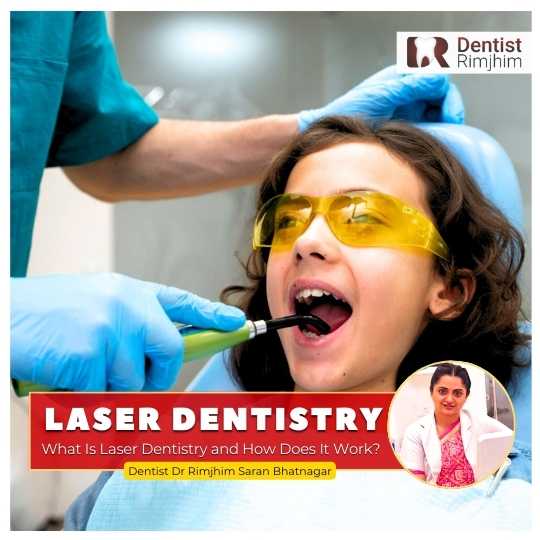
Modern dentistry has seen major technological advancements aimed at making treatments more comfortable and efficient for patients. One of the most important innovations is laser dentistry, a technique that uses focused light energy instead of traditional dental tools such as drills or scalpels.
Laser dentistry allows dentists to perform a variety of procedures with greater precision and less discomfort. The laser produces a concentrated beam of light that interacts with teeth and gum tissues to remove decay, reshape tissue, or treat infections. Because the laser targets only the affected area, it helps preserve healthy tissue while improving treatment outcomes.
Today, laser dentistry is widely used for procedures such as cavity treatment, gum reshaping, periodontal therapy, teeth whitening, and removal of oral lesions. As dental technology continues to evolve, lasers are becoming an important part of modern dental care, shares Dr Rimjhim Saran Bhatangar, Dentist for laser dental treatment in Delhi.
Why Is Laser Dentistry Needed?
Traditional dental treatments often rely on drills, blades, and manual instruments. While these methods are effective, they may cause discomfort, bleeding, and anxiety for many patients. The noise and vibration of dental drills can also make dental visits stressful.
Laser dentistry was introduced to address these challenges and improve patient experience. By using light energy instead of mechanical tools, dentists can perform procedures with greater precision and minimal impact on surrounding tissues.
Another reason laser dentistry is needed is its ability to reduce pain and bleeding during procedures. The laser seals blood vessels and nerve endings while cutting tissue, which helps minimize discomfort and speeds up recovery.
Laser technology also improves accuracy in dental procedures. Dentists can target infected or damaged areas more precisely, which helps preserve healthy teeth and gums. This makes laser dentistry particularly useful in cosmetic dentistry and gum treatments, where precision is essential.
In addition, many laser procedures require less anesthesia, making them a more comfortable option for patients who feel anxious about dental treatments.
Dr Rimjhim Saran Bhatnagar says, “Laser dentistry represents a shift toward minimally invasive dental care, allowing dentists to perform treatments with greater precision and improved patient comfort.”
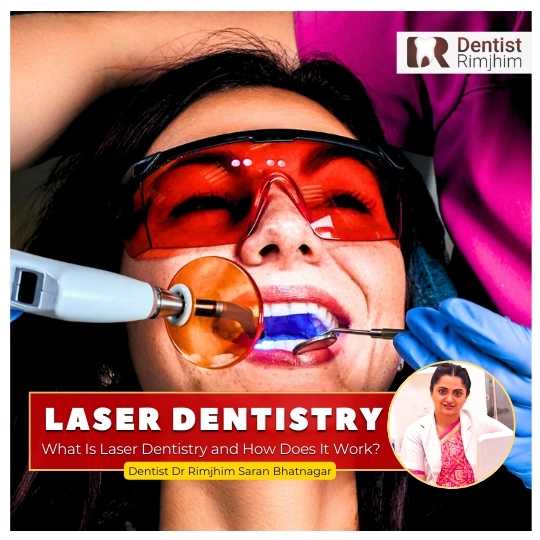
How Laser Dentistry Works?
Laser dentistry works by using a highly concentrated beam of light that interacts with oral tissues. Depending on the procedure, the laser may be used to remove tissue, reshape gums, or activate whitening agents.
The process typically follows these steps:
- Diagnosis and preparation – The dentist examines the affected tooth or gum area to determine if laser treatment is suitable.
- Laser targeting – A specialised dental laser device directs a focused beam of light toward the treatment area.
- Tissue treatment – The laser energy removes decay, reshapes soft tissue, or disinfects infected areas while minimising damage to nearby healthy tissue.
- Sealing and sterilisation – During the procedure, the laser also seals blood vessels and sterilises the area, which reduces bleeding and lowers the risk of infection.
- Recovery – Because the procedure is minimally invasive, patients often experience less swelling and faster healing compared to traditional methods.
Common Dental Procedures Using Lasers
Laser dentistry can be used in several types of dental treatments, including:
- Treating tooth decay and cavities
- Gum disease treatment and periodontal therapy
- Gum contouring and reshaping for cosmetic improvements
- Teeth whitening procedures
- Removal of oral lesions or soft tissue growths
- Reducing bacteria during root canal treatments
These applications make lasers a versatile tool in both restorative and cosmetic dentistry.
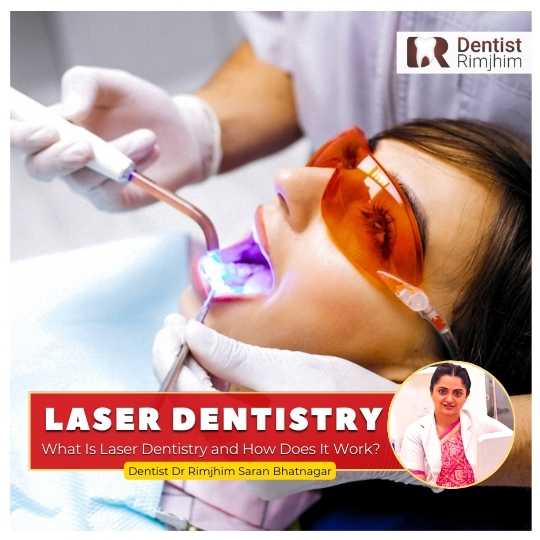
Laser Dentistry vs Traditional Dentistry
This comparison shows why laser dentistry is becoming increasingly popular among both dentists and patients.
| Feature | Laser Dentistry | Traditional Dentistry |
| Tools Used | Laser light technology | Drills and scalpels |
| Precision | Highly precise targeting | Moderate precision |
| Pain Level | Usually less painful | May cause more discomfort |
| Bleeding | Minimal bleeding | More bleeding possible |
| Healing Time | Faster recovery | Longer healing time |
| Anesthesia Requirement | Often reduced | Frequently required |
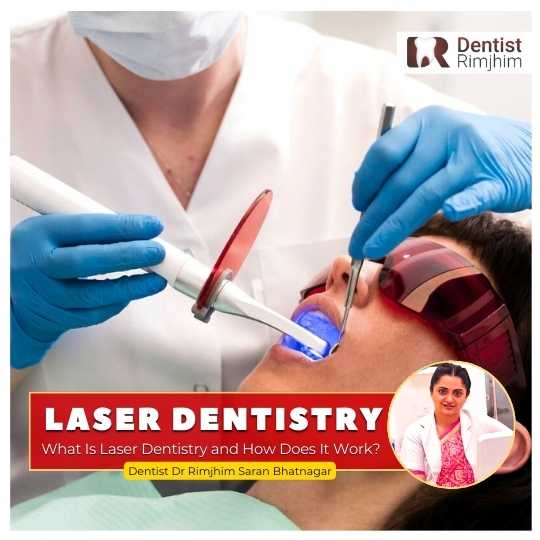
Benefits of Laser Dentistry
Laser dentistry offers several advantages that improve the overall dental treatment experience.
Less pain and discomfort
Laser procedures are often gentler than traditional dental methods, reducing patient discomfort.
Minimal bleeding and swelling
Because lasers seal blood vessels during treatment, there is typically less bleeding.
Faster healing
Patients usually recover more quickly due to reduced tissue trauma.
Lower risk of infection
Laser technology sterilizes the treatment area, helping to eliminate harmful bacteria.
Greater treatment accuracy
Dentists can target only the damaged or infected tissue, preserving healthy structures.
Laser dentistry is transforming the way dental treatments are performed. By replacing traditional mechanical tools with advanced light technology, dentists can provide procedures that are more precise, less painful, and quicker to heal.
Although traditional dentistry is still widely used, laser technology continues to grow in popularity due to its benefits for both patients and dental professionals. As dental technology advances, laser dentistry is expected to play an even greater role in delivering modern, comfortable, and minimally invasive dental care.
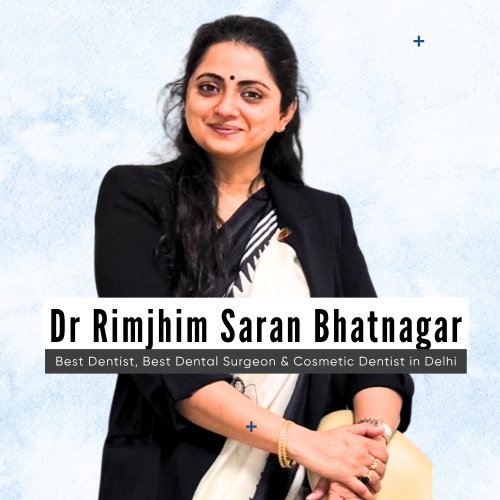
With an illustrious career spanning nearly two decades, Delhi’s best dentist, the leading dentist who specialises in root canal treatment, dental implants, pediatric dentistry, cosmetic dentistry, dental surgeries, and more, Dr Rimjhim Saran Bhatnagar, is a highly skilled and experienced dental specialist committed to providing exceptional patient care. Her expertise encompasses a comprehensive range of advanced dental procedures, from routine oral care to complex restorative and cosmetic treatments.
Dr. Rimjhim holds a Bachelor of Dental Surgery (BDS) and a Master’s Degree in Oral Medicine, Oral Diagnosis, and Oral Radiology. With over 12 years of experience working in some of the leading Delhi government hospitals, she has earned a reputation as one of the best dentists in Delhi, the best dental surgeons in Delhi, and a top cosmetic dentist in Delhi.… Read More