What are the Different Types of Dental Braces?
Summary
- Metal, ceramic, lingual braces, and clear aligners offer different benefits.
- The right option depends on alignment, bite, lifestyle, and treatment needs.
- Good oral hygiene is essential throughout orthodontic treatment.
A confident smile often begins with well-aligned teeth. Beyond appearance, proper dental alignment supports healthier gums, clearer speech, and better chewing efficiency. Dental braces are a time-tested orthodontic solution designed to correct crooked teeth, bite problems, spacing issues, and jaw alignment concerns.
 With advancements in orthodontics, patients today can choose from several types of braces that differ in visibility, comfort, technology, and cost. Understanding these options helps individuals make an informed decision that suits their lifestyle and treatment goals, shares Dr Rimjhim Saran Bhatnagar, an experienced dentist for dental braces treatment in Delhi.
What Are the Different Types of Dental Braces Available?
Here some of the different types of dental braces are mentioned:
Traditional Metal Braces
Traditional metal braces remain one of the most commonly used orthodontic options. They consist of metal brackets attached to the teeth and connected with orthodontic wires. Over time, gentle pressure from the braces gradually moves the teeth into their desired positions.
Modern metal braces are generally smaller and more comfortable than older designs. They can be used to address a wide range of orthodontic problems, including significant crowding, spacing and bite issues.
 Ceramic Braces
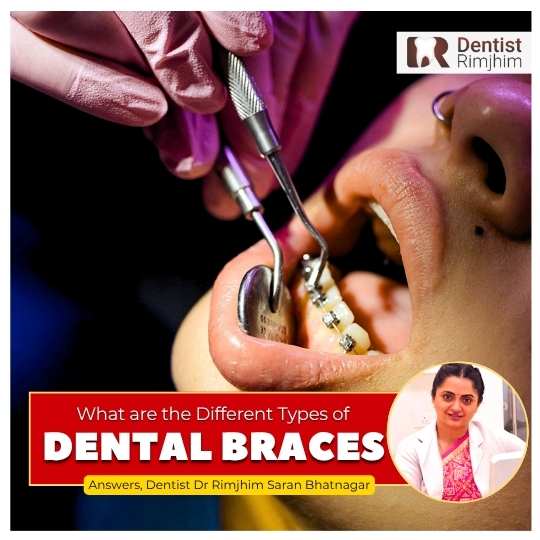
Ceramic braces work in a similar way to traditional metal braces but use tooth-coloured or clear brackets. This makes them less noticeable when worn, making them a popular choice among teenagers and adults who want a more discreet treatment option.
Although they can offer an aesthetic advantage, ceramic brackets may require greater care because they can be more prone to staining or damage than metal brackets.
Lingual Braces
Lingual braces are placed on the inner surface of the teeth, making them largely hidden from view. They use brackets and wires to gradually move the teeth while maintaining a discreet appearance.
Because they are positioned behind the teeth, lingual braces can take some time to get used to. They may also require specialised orthodontic expertise and can be more expensive than conventional braces.
 Clear Aligners
Clear aligners are removable, transparent trays designed to gradually move teeth into better alignment. Unlike fixed braces, they can be removed while eating, drinking and brushing, which makes maintaining oral hygiene more convenient.
However, clear aligners are not suitable for every orthodontic problem. Their effectiveness also depends significantly on wearing them for the recommended amount of time each day.
Self-Ligating Braces
Self-ligating braces use specialised brackets that hold the orthodontic wire without conventional elastic ligatures. They are available in both metal and ceramic versions.
The design may make certain aspects of orthodontic treatment more convenient, but whether they are the best choice depends on the individual’s teeth, bite and overall treatment requirements.
Choosing the Right Braces
There is no single type of braces that is ideal for everyone. The right option depends on factors such as the severity of misalignment, bite problems, age, oral health, aesthetic preferences, treatment duration and budget.
An orthodontic assessment allows the dentist to examine the teeth and jaw alignment and recommend the most appropriate treatment approach. In some cases, a combination of orthodontic techniques may be considered.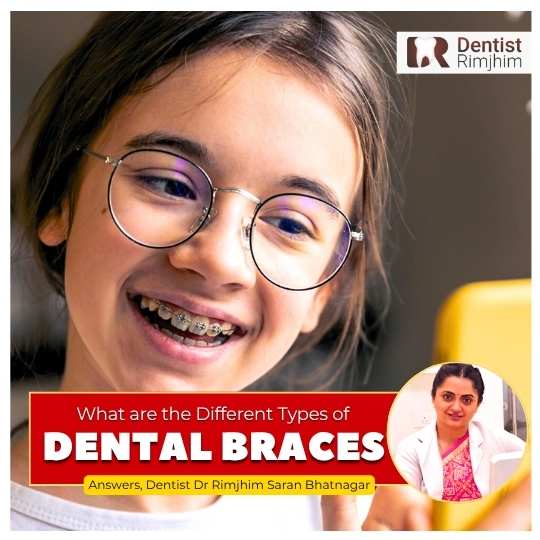
Maintaining Oral Hygiene During Treatment
Regardless of the type of braces selected, maintaining good oral hygiene is essential throughout treatment. Food particles and plaque can accumulate around brackets, wires and other orthodontic appliances, increasing the risk of tooth decay and gum problems.
Brushing carefully twice a day, cleaning between the teeth and attending regular dental appointments can help keep the teeth and gums healthy during orthodontic treatment.
A Better Smile Starts with the Right Treatment
Dental braces can do more than improve the appearance of a smile. Correcting tooth alignment can support better chewing, make oral hygiene easier and address certain bite-related problems.
With several orthodontic options available today, patients have more flexibility than ever before. Consulting an experienced dentist can help determine which type of dental braces is appropriate for your specific dental needs and treatment goals.
“Choosing the right braces can improve both your smile and your long-term oral health.” Says dentist of dental braces treatment in Delhi Dr Rimjhim Saran Bhatnagar.

With an illustrious career spanning nearly two decades, Delhi’s best dentist, the leading dentist who specialises in root canal treatment, dental implants, pediatric dentistry, cosmetic dentistry, dental surgeries, and more, Dr Rimjhim Saran Bhatnagar, is a highly skilled and experienced dental specialist committed to providing exceptional patient care. Her expertise encompasses a comprehensive range of advanced dental procedures, from routine oral care to complex restorative and cosmetic treatments.
Dr. Rimjhim holds a Bachelor of Dental Surgery (BDS) and a Master’s Degree in Oral Medicine, Oral Diagnosis, and Oral Radiology. With over 12 years of experience working in some of the leading Delhi government hospitals, she has earned a reputation as one of the best dentists in Delhi, the best dental surgeons in Delhi, and a top cosmetic dentist in Delhi.… Read More