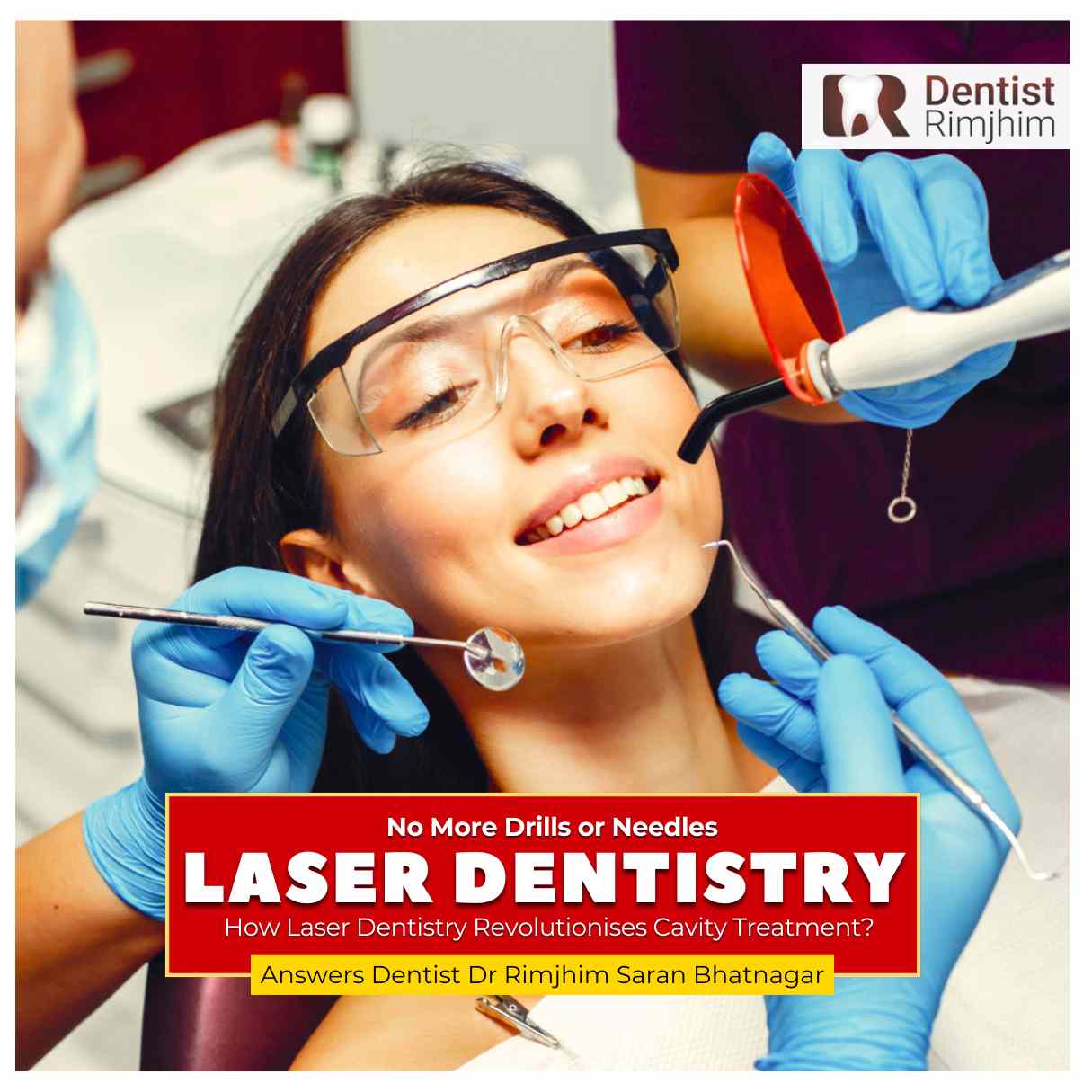
No More Drills or Needles: How Laser Dentistry Is Revolutionizing Cavity Treatment
Summary
- Laser dentistry can treat cavities with greater precision, often reducing the need for traditional drills and minimizing discomfort.
- Many patients experience less anxiety, reduced vibration, and in some cases less need for anesthesia during treatment.
- Early cavity detection combined with laser technology can help preserve more natural tooth structure and support faster recovery.
The article is Medically Reviewed by Dr Rimjhim Saran Bhatnagar, BDS, MDS, Specialized in Laser Dentistry, Dental Surgery, Paedodontics and Heads the Dentist Rimjhim Multi-Specialty Dental Clinic
There was a time when the idea of treating a cavity instantly brought feelings of anxiety. The sound of dental drills, the fear of injections, and the discomfort associated with traditional fillings made many people postpone dental visits for months—or even years. For generations, cavity treatment was often linked with fear rather than relief.
But modern dentistry is changing that experience faster than ever. Today, advanced dental clinics are introducing laser-based cavity treatment, a technology that is transforming the way tooth decay is diagnosed and treated. Patients who once avoided the dentist because of fear are now discovering a treatment option that feels quieter, gentler, and often far more comfortable than conventional procedures.
Many dental experts now consider laser dentistry one of the most significant advancements in minimally invasive dental care. With precision-based treatment and reduced discomfort, laser technology is helping patients protect their oral health without the fear traditionally associated with dental procedures says Dr Rimjhim Saran Bhatnagar who is an experienced dentist in Delhi for laser dentistry treatment.
Why Are More Patients Choosing Laser Dentistry for Cavities?
The answer lies in comfort, precision, and confidence. Traditional cavity treatment usually involves mechanical drilling to remove decayed tooth material. While effective, this approach can create vibration, pressure, noise, and anxiety for many patients.
Laser dentistry changes that experience completely. Instead of using rotating drills, dentists use concentrated light energy to target and remove decayed tissue with remarkable precision. This means healthy tooth structure can often be preserved more effectively while treating only the damaged area.
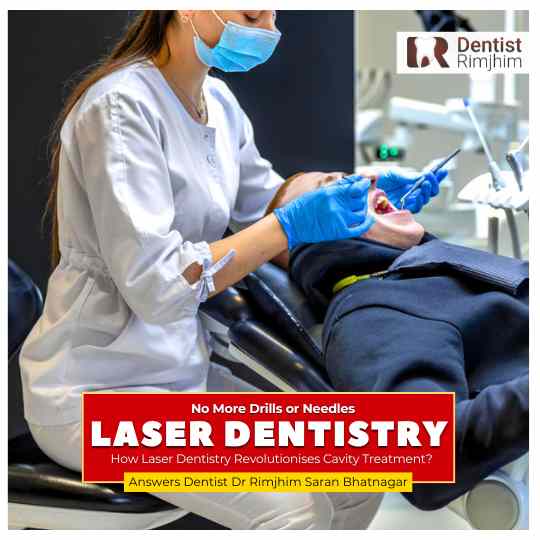
For many patients, this creates a much more relaxed treatment experience. The absence of loud drilling sounds alone makes a significant psychological difference, especially for children, anxious adults, or those with previous negative dental experiences.
Dr Rimjhim Saran Bhatnagar, dental surgeon for laser dentistry in Delhi says, that “Modern dentistry is no longer about fear and discomfort—it is about precision, preservation, and making patients feel confident enough to seek treatment before small cavities become bigger problems.”
How Does Laser Technology Actually Treat a Cavity?
Laser cavity treatment works by delivering focused energy to the affected part of the tooth. The laser identifies and removes decayed tissue while minimizing disturbance to surrounding healthy enamel and dentin.
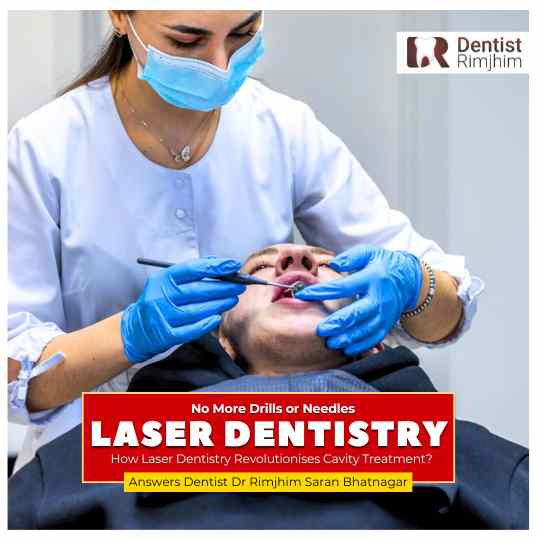
Because the laser is extremely precise, it allows dentists to work conservatively, removing only what is necessary. In many cases, the laser also sterilizes the treatment area as it works, reducing bacterial contamination before the cavity is sealed with a filling.
This precision can support better long-term restoration outcomes and may reduce the chance of residual bacteria being left behind.
Why Is Laser Dentistry More Comfortable Than Traditional Methods?
One of the biggest reasons patients prefer laser dentistry is reduced discomfort. Traditional drills create vibration, heat, and pressure, which often trigger sensitivity or pain.
Laser treatment usually creates much less mechanical stress. Since there is no direct contact like a drill, many patients describe the experience as significantly calmer. Some even report needing little or no local anesthesia for small cavity treatments, depending on the depth and location of decay.
This can be especially helpful for patients who are afraid of injections or who experience dental anxiety before appointments.
How Laser Dentistry Helps Preserve Natural Tooth Structure
Modern dentistry focuses on preserving as much of the natural tooth as possible, and laser technology supports that goal.
Traditional drilling may sometimes remove slightly more tooth structure to access the decay. Laser treatment, on the other hand, allows dentists to target affected tissue with greater control. This conservative approach helps maintain tooth strength and supports healthier long-term function.
Preserving natural enamel and dentin is important because every tooth restoration affects the future durability of that tooth. The more healthy structure that remains, the better the tooth can perform over time.
Can Laser Dentistry Reduce Recovery Time?
Many patients notice less irritation after laser treatment compared to conventional procedures. Because lasers are less invasive and create minimal trauma to surrounding tissue, post-treatment sensitivity may be reduced in some cases.
Patients often return to normal eating and speaking routines with less discomfort. While recovery depends on the extent of treatment, many people find the experience smoother and less stressful overall.
Is Laser Dentistry Suitable for Everyone?
Laser dentistry offers many benefits, but not every cavity or dental condition can be treated with lasers alone. Deep decay, complex restorations, or certain structural issues may still require traditional dental techniques.
That is why a professional dental evaluation is essential. A dentist will assess the size, depth, and location of the cavity before deciding whether laser treatment is the best option.
The good news is that for many early to moderate cavities, laser dentistry can provide a highly effective and patient-friendly alternative.
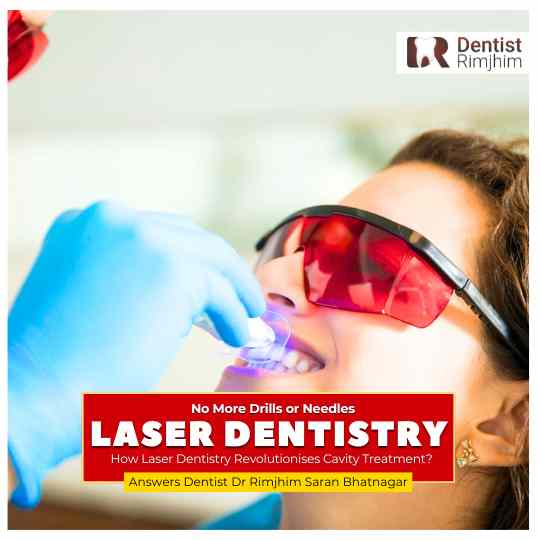
The Future of Dentistry Is Less Fear, More Precision
Dental care is no longer only about treating disease—it is about improving the patient experience. Laser dentistry represents a major shift toward precision, comfort, and minimally invasive care.
For people who have delayed treatment because of fear of drills, injections, or pain, this technology is opening the door to healthier smiles without the stress of old-fashioned dental experiences.
When Should You See a Dentist?
Tooth sensitivity, pain while eating sweets, visible dark spots, food getting stuck in a tooth, or sudden sensitivity to hot and cold foods should never be ignored.
Early cavity detection often allows simpler and less invasive treatment options, including laser dentistry in suitable cases. Waiting too long can allow decay to spread deeper into the tooth, leading to more complex procedures later.
Your smile deserves early care, modern solutions, and treatment that feels as comfortable as possible.

With an illustrious career spanning nearly two decades, Delhi’s best dentist, the leading dentist who specialises in root canal treatment, dental implants, pediatric dentistry, cosmetic dentistry, dental surgeries, and more, Dr Rimjhim Saran Bhatnagar, is a highly skilled and experienced dental specialist committed to providing exceptional patient care. Her expertise encompasses a comprehensive range of advanced dental procedures, from routine oral care to complex restorative and cosmetic treatments.
Dr. Rimjhim holds a Bachelor of Dental Surgery (BDS) and a Master’s Degree in Oral Medicine, Oral Diagnosis, and Oral Radiology. With over 12 years of experience working in some of the leading Delhi government hospitals, she has earned a reputation as one of the best dentists in Delhi, the best dental surgeons in Delhi, and a top cosmetic dentist in Delhi.… Read More