Benefits of Dental Implants – Shares Dentist Dr Rimjhim
Summary
- Dental implants restore missing teeth and chewing function.
- They can help support the jawbone and surrounding teeth.
- Proper care is essential for long-term implant health.
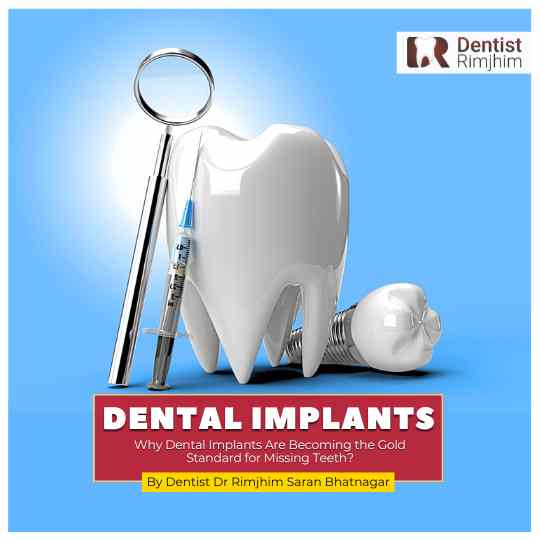
Losing a tooth isn’t just about appearance – it impacts your health, confidence, and quality of life. While many people may think that one missing tooth isn’t a big deal, the truth is quite the opposite.
A missing tooth can trigger a series of oral health issues, affecting not only your remaining teeth but also your bone structure and bite alignment. Thankfully, modern dentistry offers an effective solution: dental implants, says Dr Rimjhim Saran Bhatnagar, a Senior Dental Surgeon in Delhi who specialises in dental implants.
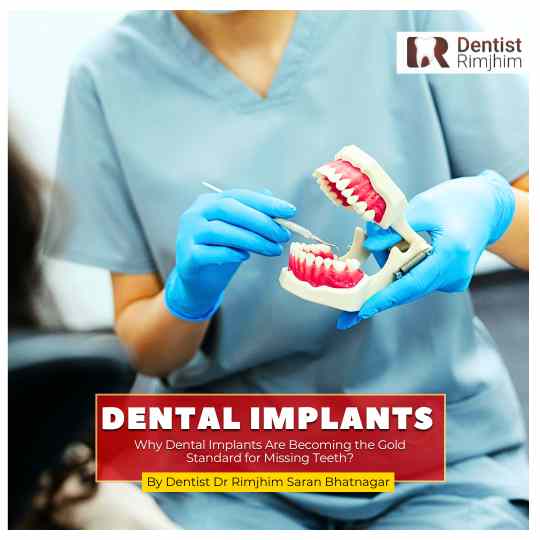
What Are the Benefits of Dental Implants?
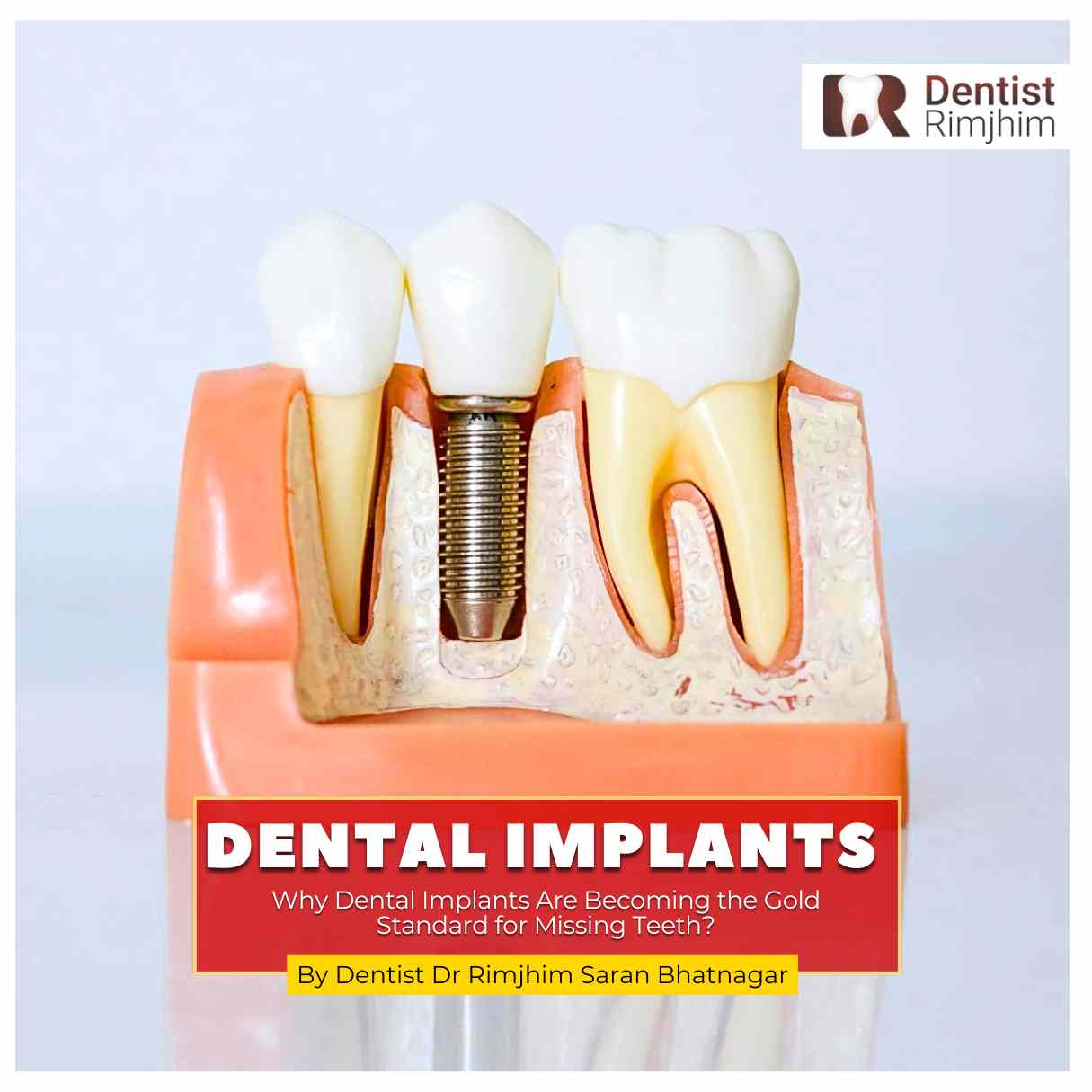
Dental implants are designed to replace missing teeth while closely replicating the function and appearance of natural teeth. They provide a stable foundation for a replacement tooth and can offer several functional and oral-health benefits when appropriately planned and maintained.
“A dental implant does more than replace a missing tooth—it can help restore function, confidence, and a natural-looking smile.”
– Dr Rimjhim Saran Bhatnagar , Sr Dentist | Cosmetic & Restorative Dentistry | Transforming Smiles with State-of-the-Art Dental Care.
Restore Natural-Looking Teeth
One of the major benefits of dental implants is their ability to restore the appearance of a missing tooth. The replacement crown can be designed to match the colour, shape, and proportions of the surrounding teeth.
This can help create a natural-looking smile and restore confidence after tooth loss.
Improve Chewing Ability
A missing tooth can make chewing certain foods uncomfortable or difficult. Dental implants provide a stable replacement that can help restore normal biting and chewing function.
Unlike removable dentures, an implant-supported tooth is anchored in place, which can provide greater stability during everyday activities.
Help Preserve the Jawbone
When a tooth is lost, the bone surrounding the missing tooth may gradually lose stimulation and begin to shrink. Dental implants are placed into the jawbone and can provide stimulation similar to that associated with a natural tooth root.
This can help support the preservation of the jawbone around the implant site.
Prevent Teeth From Shifting
A gap left by a missing tooth can allow neighbouring teeth to move gradually into the available space. This movement can affect bite alignment and make cleaning between teeth more difficult.
Replacing the missing tooth can help maintain the spacing and alignment of the surrounding teeth.
Support Better Bite Function
Tooth loss can alter the way pressure is distributed when a person bites and chews. Replacing the missing tooth with an implant-supported restoration can help restore a more balanced biting function.
The dentist will evaluate the patient’s bite and surrounding teeth when planning the implant.
Improve Confidence
Missing teeth can affect how people smile, speak, or interact with others. A stable, natural-looking dental implant can help restore confidence by replacing the visible gap.
For many patients, the improvement is not only physical but also emotional and social.
Convenient Everyday Function
Dental implants are fixed in the mouth, meaning patients do not need to remove them for routine daily activities in the same way as removable dentures.
With proper care, implant-supported teeth can become a convenient part of everyday life while allowing patients to maintain normal oral hygiene practices.
Can Provide Long-Term Tooth Replacement
Dental implants are designed as a long-term tooth replacement option. Their longevity depends on factors such as oral hygiene, general health, the condition of the supporting bone, implant placement, and regular dental care.
Routine dental visits are important for monitoring the health of the implant and surrounding tissues.
Who Can Benefit From Dental Implants?
Dental implants may be suitable for people who have lost one or more teeth and have adequate bone support and healthy oral tissues. However, not every patient is automatically a candidate.
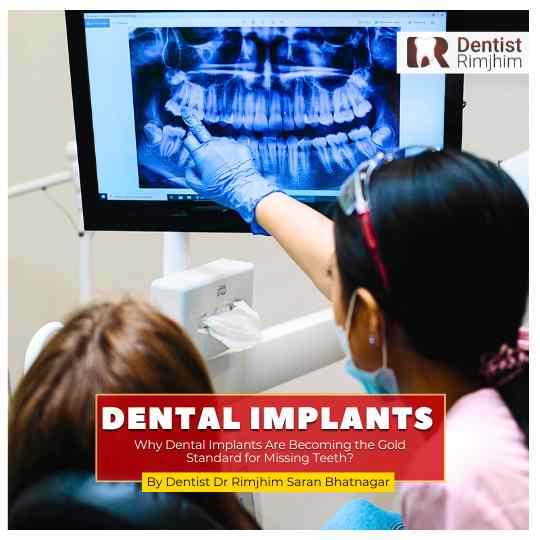
A dentist needs to assess the gums, jawbone, remaining teeth, bite, and overall oral health before recommending implant treatment. Additional procedures may sometimes be required before an implant can be placed.
Caring for Dental Implants
Although implants cannot develop cavities in the same way as natural teeth, the surrounding gums and tissues still need proper care. Regular brushing, cleaning between the teeth, professional dental check-ups, and following the dentist’s instructions are essential.
Good oral hygiene can help protect the tissues surrounding the implant and support its long-term function.

With an illustrious career spanning nearly two decades, Delhi’s best dentist, the leading dentist who specialises in root canal treatment, dental implants, pediatric dentistry, cosmetic dentistry, dental surgeries, and more, Dr Rimjhim Saran Bhatnagar, is a highly skilled and experienced dental specialist committed to providing exceptional patient care. Her expertise encompasses a comprehensive range of advanced dental procedures, from routine oral care to complex restorative and cosmetic treatments.
Dr. Rimjhim holds a Bachelor of Dental Surgery (BDS) and a Master’s Degree in Oral Medicine, Oral Diagnosis, and Oral Radiology. With over 12 years of experience working in some of the leading Delhi government hospitals, she has earned a reputation as one of the best dentists in Delhi, the best dental surgeons in Delhi, and a top cosmetic dentist in Delhi.… Read More