How Long Do Dental Implants Last? Myths vs. Facts
Summary
- Dental implants can provide long-lasting replacement for missing teeth.
- Proper oral hygiene and regular dental check-ups support implant longevity.
- The implant may last for decades, while the crown may require replacement over time
Dental implants have transformed modern dentistry by offering a long-lasting and natural-looking solution to missing teeth. They can restore not only your smile but also your ability to chew, speak, and feel confident. However, questions about their lifespan often lead to confusion. Many people still believe implants either last forever without care or fail easily over time.
To understand the truth, let’s first look at what dental implants are and then separate myths from facts about how long they really last, shares Dr. Rimjhim Bhatnagar, a leading dentist in Delhi for dental implants.
What Determines How Long Dental Implants Last?
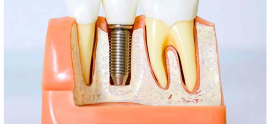
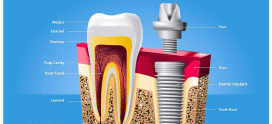
A dental implant consists of a titanium or other biocompatible implant fixture placed into the jawbone, an abutment, and a dental crown that replaces the visible portion of the tooth. While the implant fixture can potentially last for decades, the crown may need replacement sooner because it is exposed to everyday chewing forces.
The lifespan of an implant depends on several factors, including oral hygiene, bone health, general health, smoking habits, bite forces, and regular dental care.
“Dental implants are designed for long-term results, but their success depends on proper care, healthy gums and regular dental follow-ups.” — Dr Rimjhim Bhatnagar, prosthodontist in Delhi.
Myth: Dental Implants Last Forever Without Maintenance
One common misconception is that once an implant is placed, no further care is required. In reality, implants need the same commitment to oral hygiene as natural teeth.
Brushing twice a day, cleaning between the teeth and around the implant, and attending regular dental check-ups are essential. Poor oral hygiene can lead to inflammation around the implant and potentially affect the tissues supporting it.
Fact: Proper Care Can Help Implants Last for Many Years
With good oral hygiene and appropriate professional care, dental implants can provide long-term results. However, no dental treatment should be considered completely maintenance-free.
Regular dental examinations allow your dentist to monitor the implant, surrounding gums, bone, and crown. Early detection of any problem can make treatment easier and help protect the implant.
Myth: Dental Implants Fail Easily
Another misconception is that implants frequently fail. Implant treatment has a high success rate when appropriate patients are carefully evaluated and the procedure is properly planned.
However, complications can occur. Infection around an implant, insufficient bone support, uncontrolled teeth grinding, smoking, and poor oral hygiene can increase the risk of problems.
Fact: The Crown May Need Replacement
While the implant itself can remain stable for a long time, the crown attached to it can experience wear and may eventually need repair or replacement.
This does not necessarily mean that the implant has failed. Your dentist can evaluate the condition of the crown and determine whether it needs maintenance or replacement while the underlying implant remains intact.
Lifestyle and Oral Hygiene Make a Difference
Daily habits play an important role in maintaining dental implants. Smoking can negatively affect oral tissues and healing, while poor brushing and inadequate cleaning can increase the risk of gum problems.
Patients should also avoid using their implants to bite extremely hard objects or substances that could damage the crown. Following the dentist’s instructions after implant placement and maintaining long-term oral hygiene can significantly support the treatment outcome.
Regular Dental Visits Protect Your Investment
Dental implants should be viewed as a long-term investment in oral health rather than a treatment that eliminates the need for dental care. Regular check-ups allow your dentist to assess the implant and identify potential problems before they become serious.
If you notice bleeding around an implant, persistent discomfort, swelling, looseness, or changes in the way your teeth come together, consult your dentist promptly.
The Bottom Line on Implant Lifespan
Dental implants can offer a durable and reliable solution for missing teeth, but their longevity depends on more than the implant procedure itself. Good oral hygiene, healthy gums and bone, regular dental visits, and healthy lifestyle habits all contribute to maintaining them over the years.
Rather than believing that implants either last forever or fail quickly, patients should understand that long-term success is a combination of quality treatment and consistent care.

With an illustrious career spanning nearly two decades, Delhi’s best dentist, the leading dentist who specialises in root canal treatment, dental implants, pediatric dentistry, cosmetic dentistry, dental surgeries, and more, Dr Rimjhim Saran Bhatnagar, is a highly skilled and experienced dental specialist committed to providing exceptional patient care. Her expertise encompasses a comprehensive range of advanced dental procedures, from routine oral care to complex restorative and cosmetic treatments.
Dr. Rimjhim holds a Bachelor of Dental Surgery (BDS) and a Master’s Degree in Oral Medicine, Oral Diagnosis, and Oral Radiology. With over 12 years of experience working in some of the leading Delhi government hospitals, she has earned a reputation as one of the best dentists in Delhi, the best dental surgeons in Delhi, and a top cosmetic dentist in Delhi.… Read More