Dentist Dr Rimjhim Busts Myths About Infant Oral Health
Summary
- Baby teeth need proper care.
- Oral hygiene should start early.
- Early dental visits support healthy development.
When it comes to infant care, parents often receive a flood of well-meaning advice from grandparents, neighbours, and even social media. However, misinformation can do more harm than good when it comes to infant oral health. Many parents are unsure when they should begin cleaning their baby’s mouth, whether baby teeth really matter, or whether dental visits are necessary before permanent teeth appear.
Dr Rimjhim Saran Bhatnagar, an experienced paediatric dentist in Delhi, explains some of the most common misconceptions surrounding infant oral health and shares practical guidance to help parents establish healthy dental habits from the very beginning.
What Are the Common Myths About Infant Oral Health?
Understanding the difference between common beliefs and appropriate dental care can help parents protect their baby’s developing teeth and gums. Even before the first tooth appears, simple oral-care pratices can play an important role in maintaining a healthy mouth.
“Healthy smiles begin with healthy habits, and those habits can start from the very first days of life.”
– Dr Rimjhim Saran Bhatnagar, Senior dentist surgeon and pediatric dentist.
Myth: Baby Teeth Do Not Need Much Care
Some parents believe that baby teeth are temporary and therefore do not require the same attention as permanent teeth. This is not true. Primary teeth help children chew food, develop clear speech, and maintain space for permanent teeth.
Keeping baby teeth healthy can also help prevent pain, infection, and premature tooth loss.
Myth: Oral Care Should Begin After the First Tooth
Oral hygiene can begin even before the first tooth emerges. Parents can gently clean an infant’s gums using a clean, soft, damp cloth.
Once the first tooth appears, parents should introduce an appropriate toothbrush and establish a regular brushing routine.
Myth: Cavities Cannot Affect Babies
Infants can develop tooth decay, particularly when teeth are frequently exposed to sugary liquids or foods. Prolonged exposure to milk, formula, sweetened drinks, or other sugary substances can increase the risk of early childhood cavities.
Parents should avoid allowing babies to fall asleep with a bottle containing sugary liquids and should follow appropriate feeding and oral-hygiene practices.
Myth: A Baby Does Not Need a Dentist
A child’s first dental visit should not be postponed until there is a visible dental problem. Early dental visits allow a dentist to monitor oral development, identify potential concerns, and guide parents about brushing, feeding habits, and cavity prevention.
Early visits can also help children become comfortable with the dental environment.
Myth: Thumb Sucking Is Always Harmless
Thumb sucking is common during infancy and early childhood, but prolonged or excessive thumb sucking can affect the development and alignment of the teeth and jaws.
Parents should discuss persistent habits with a paediatric dentist, particularly if the habit continues as the child grows.
Myth: Sugar Is the Only Cause of Baby Tooth Decay
Sugar plays an important role in tooth decay, but oral hygiene, frequency of exposure, feeding habits, and the presence of plaque also influence cavity risk.
Rather than focusing only on eliminating sweets, parents should establish good brushing habits and maintain regular dental care.
Myth: Fluoride Is Not Necessary for Young Children
Fluoride can help strengthen enamel and reduce the risk of tooth decay. However, the appropriate amount depends on the child’s age and individual needs.
Parents should consult their dentist regarding the suitable fluoride toothpaste and quantity for their child instead of avoiding fluoride altogether.
Building Healthy Oral Habits Early
Parents can support their baby’s oral health by cleaning the mouth regularly, introducing brushing when the first tooth appears, limiting frequent exposure to sugary foods and drinks, and scheduling dental visits at the appropriate age.
Developing these habits early can make oral care a normal part of a child’s daily routine rather than something introduced only after a dental problem develops.
Infant oral health begins long before a child has a full set of teeth. Baby teeth play an important role in eating, speech, oral development, and maintaining space for permanent teeth. By understanding common myths and following appropriate dental-care practices from an early age, parents can help reduce the risk of cavities and other oral health problems. Consulting an experienced paediatric dentist in Delhi can also provide parents with personalised guidance based on their child’s age and dental development.
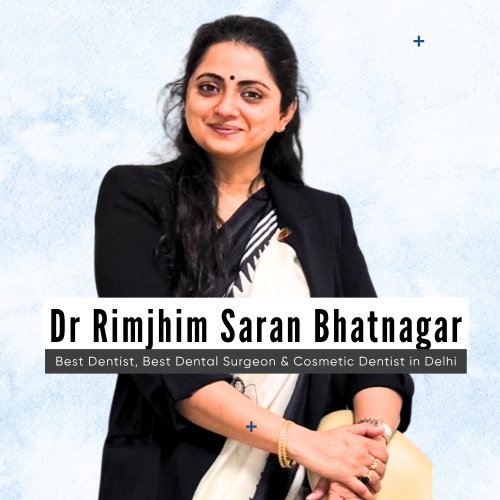
With an illustrious career spanning nearly two decades, Delhi’s best dentist, the leading dentist who specialises in root canal treatment, dental implants, pediatric dentistry, cosmetic dentistry, dental surgeries, and more, Dr Rimjhim Saran Bhatnagar, is a highly skilled and experienced dental specialist committed to providing exceptional patient care. Her expertise encompasses a comprehensive range of advanced dental procedures, from routine oral care to complex restorative and cosmetic treatments.
Dr. Rimjhim holds a Bachelor of Dental Surgery (BDS) and a Master’s Degree in Oral Medicine, Oral Diagnosis, and Oral Radiology. With over 12 years of experience working in some of the leading Delhi government hospitals, she has earned a reputation as one of the best dentists in Delhi, the best dental surgeons in Delhi, and a top cosmetic dentist in Delhi.… Read More