Thumb Sucking to Teeth Grinding: Bad Habits That Damage a Child’s Teeth
Summary
- Prolonged thumb sucking can affect tooth alignment and jaw development.
- Teeth grinding and nail biting may cause tooth wear or damage.
- Early guidance and regular dental check-ups can help prevent complications.
Children often develop oral habits that seem harmless, such as thumb sucking, nail biting, or chewing objects. While these behaviours are common and even comforting, they can become problematic if they persist for too long. Bad oral habits can affect the alignment of teeth, wear down enamel, cause jaw issues, and even impact speech.
Recognising these habits early and addressing them appropriately is essential for maintaining a child’s dental health and ensuring a strong, confident smile, as shared by Dr Rimjhim Saran Bhatnagar, an experienced pediatric dentist in Delhi.
What Bad Oral Habits Can Affect a Child’s Teeth?
Thumb and Finger Sucking
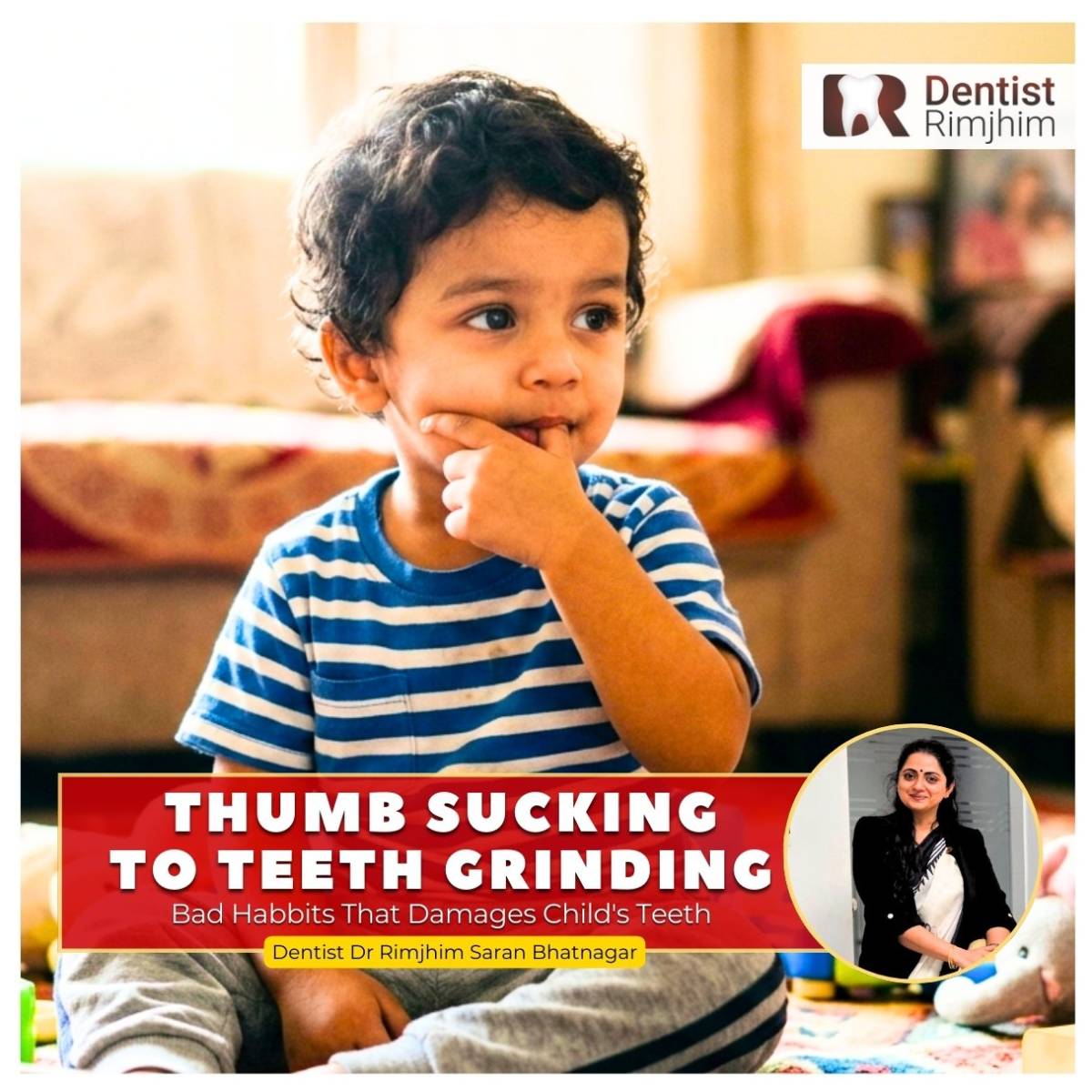
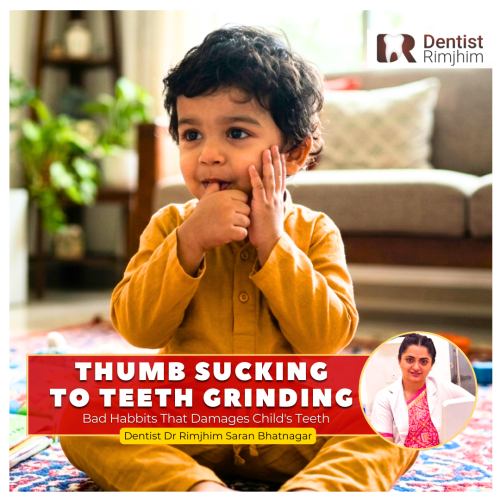
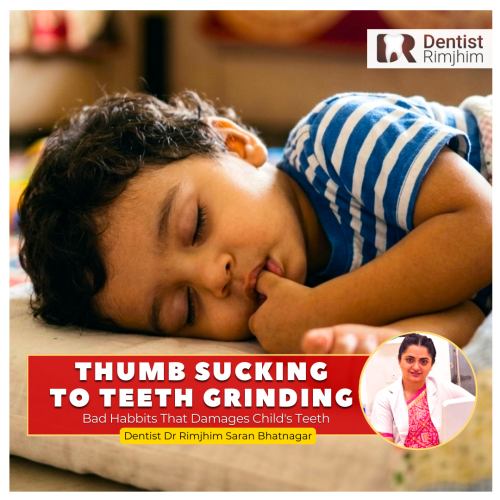
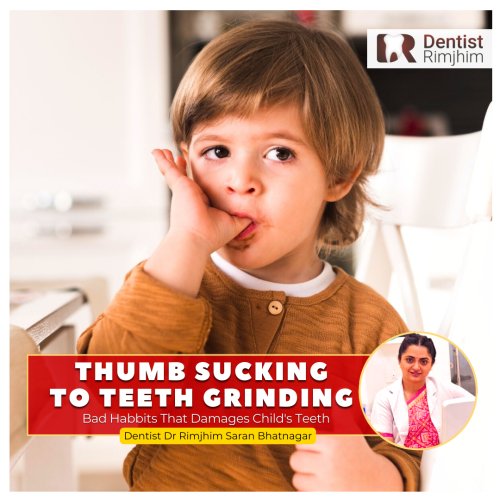
Thumb or finger sucking is common among babies and young children and can provide comfort. However, if the habit continues as permanent teeth begin to develop, it may influence the way the upper and lower teeth come together.
Prolonged thumb sucking can contribute to changes in tooth positioning and the shape of the developing palate. The extent of the effect depends on factors such as how frequently the child sucks their thumb, the intensity of the habit and how long it continues.
Nail Biting
Nail biting is another common childhood habit, particularly during periods of stress, boredom or anxiety. Frequent nail biting can place repeated pressure on the teeth and may contribute to small chips or wear over time.
It can also introduce bacteria from the hands into the mouth. Helping children recognise what triggers the habit and encouraging alternative behaviours can make it easier to gradually stop.
Teeth Grinding
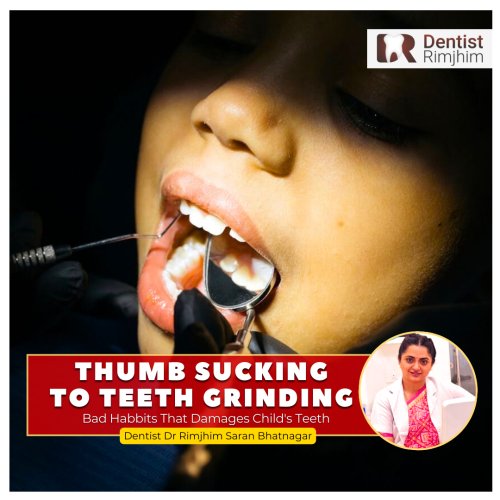
Some children grind or clench their teeth, particularly during sleep. Occasional grinding may not cause significant problems, but frequent or forceful grinding can put excessive pressure on the teeth.
 Over time, this may lead to tooth wear, sensitivity, jaw discomfort or headaches. Parents who notice grinding sounds at night or signs of unusual tooth wear should discuss them with a dentist.
Chewing on Objects
Children may chew pencils, toys, clothing or other objects as a way of exploring their surroundings or relieving stress. Repeated chewing on hard objects can potentially damage teeth, especially if the object is very hard.
Parents should encourage safer alternatives and ensure that toys and objects within a child’s reach are age-appropriate and safe.
Lip or Cheek Biting
Some children develop a habit of repeatedly biting their lips or the inside of their cheeks. Frequent biting can cause irritation, small wounds and discomfort.
If the habit continues, identifying the underlying reason can help. In some cases, children may bite their lips or cheeks unconsciously, making it important for parents to observe when the behaviour occurs.
How These Habits Can Affect Dental Development?
The impact of an oral habit depends on the child’s age, how frequently the habit occurs and how long it continues. Persistent habits can interfere with the normal development and positioning of teeth and, in some cases, affect the relationship between the upper and lower jaws.
Early identification gives parents and dentists an opportunity to address the habit before it contributes to more significant orthodontic or dental concerns.
 Helping Children Break Bad Oral Habits
Children should not be punished or repeatedly criticised for habits such as thumb sucking or nail biting. These behaviours can sometimes be associated with comfort or emotional regulation, and harsh reactions may make the child more anxious.
Positive reinforcement, gentle reminders and identifying triggers can be more effective. Parents can also praise the child when they successfully avoid the habit and work with a dentist if additional guidance is needed.
When a Pediatric Dentist Can Help?
If an oral habit persists despite parental efforts, or if there are noticeable changes in tooth alignment, speech, chewing or jaw development, a pediatric dentist can assess the child’s oral health.
A dental examination can help identify whether the habit is affecting the teeth or developing bite and whether any intervention is necessary.
Building Healthy Habits Early
Not every childhood oral habit causes permanent dental problems, but habits that continue for an extended period deserve attention. Regular dental check-ups allow potential changes in tooth development to be identified early.
With gentle guidance, positive reinforcement and professional dental care when needed, children can gradually move away from harmful oral habits and develop healthier routines for a strong and healthy smile.
Dentist for kids in Delhi Dr Rimjhim Saran Bhatnagar says that “Small oral habits can have a lasting impact on a child’s developing teeth and bite.”
With an illustrious career spanning nearly two decades, Delhi’s best dentist, the leading dentist who specialises in root canal treatment, dental implants, pediatric dentistry, cosmetic dentistry, dental surgeries, and more, Dr Rimjhim Saran Bhatnagar, is a highly skilled and experienced dental specialist committed to providing exceptional patient care. Her expertise encompasses a comprehensive range of advanced dental procedures, from routine oral care to complex restorative and cosmetic treatments.
Dr. Rimjhim holds a Bachelor of Dental Surgery (BDS) and a Master’s Degree in Oral Medicine, Oral Diagnosis, and Oral Radiology. With over 12 years of experience working in some of the leading Delhi government hospitals, she has earned a reputation as one of the best dentists in Delhi, the best dental surgeons in Delhi, and a top cosmetic dentist in Delhi.… Read More