

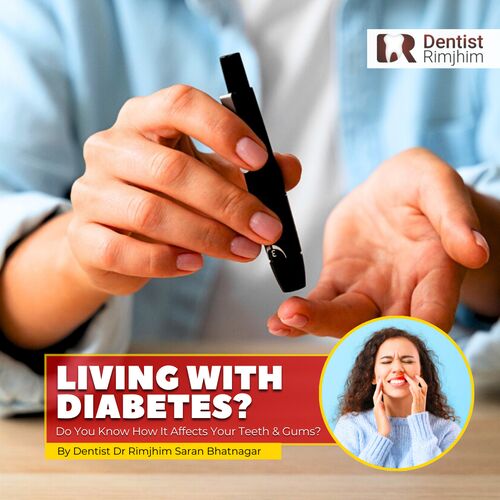
Living With Diabetes? Do You Know How It Affects Your Teeth & Gums
Summary
- Diabetes can increase the risk of gum disease, cavities, dry mouth and oral infections.
- Poorly controlled blood sugar can affect the body’s ability to fight infection and heal.
- Good oral hygiene, blood sugar management and regular dental check-ups are essential.
Diabetes doesn’t just affect your blood sugar, nerves or eyes — it can also have a significant impact on your mouth. Your teeth and gums are influenced by blood sugar levels, blood circulation and the body’s ability to fight infections. Many people living with diabetes don’t realise how closely their oral health is connected to their overall health, says Dr. Rimjhim Saran Bhatnagar, who is one of the leading periodontists in Delhi, Gurugram and Noida.
How Does Diabetes Affect Your Teeth and Gums?
When blood sugar remains poorly controlled, it can affect the body’s ability to respond effectively to infections. The mouth can therefore become more vulnerable to bacterial infections and inflammation. At the same time, gum disease can make it more difficult for some people with diabetes to maintain healthy blood glucose levels, creating a relationship that requires attention from both dental and medical professionals.
This makes oral care an important part of diabetes management rather than something that should be considered separately.
“For people living with diabetes, caring for their gums is more than protecting a smile; it is an important part of protecting overall health.” Says Dental Surgeon Dr Rimjhim Saran Bhatnagar.
Increased Risk of Gum Disease
Gum disease is one of the major oral health concerns associated with diabetes. Elevated blood glucose can contribute to an environment where harmful bacteria thrive, while changes in the body’s immune response can affect the way gum tissues respond to infection.
Plaque buildup around the teeth can cause gingivitis, leading to red, swollen or bleeding gums. If left untreated, the condition can progress to periodontitis, a more advanced form of gum disease that can damage the tissues and bone supporting the teeth.
Dry Mouth and Tooth Decay
Some people with diabetes may experience dry mouth, which can reduce the protective effects of saliva. Saliva helps wash away food particles, neutralise acids and protect the teeth from decay.
Reduced saliva can therefore contribute to an increased risk of cavities. A dry mouth may also cause discomfort, bad breath and difficulty eating or speaking.
Maintaining adequate hydration and discussing persistent dry mouth with a dentist can help manage these concerns.
Slower Healing and Oral Infections
Diabetes can affect the body’s ability to heal and fight infections, particularly when blood glucose is not well controlled. As a result, oral infections may require careful attention and monitoring.
Problems such as gum infections, dental abscesses or inflammation should not be ignored. Prompt dental treatment can help prevent a local oral problem from becoming more complicated.

Warning Signs to Watch For
People with diabetes should pay attention to changes in their oral health. Bleeding or swollen gums, persistent bad breath, loose teeth, recurring infections, dry mouth and changes in the way teeth fit together can all warrant a dental examination.
These symptoms do not necessarily mean that diabetes is poorly controlled, but they should be evaluated rather than dismissed.
Good Oral Hygiene Is Essential
Daily oral hygiene is particularly important for people living with diabetes. Brushing twice a day with fluoride toothpaste and cleaning between the teeth can help control plaque and reduce the risk of gum disease and cavities.
Regular professional dental examinations and cleanings are also important. A dentist or periodontist can monitor the condition of the gums and identify inflammation or other problems at an early stage.
Keeping Diabetes and Oral Health Connected
Managing blood glucose as advised by your healthcare professional is an important part of protecting both general and oral health. At the same time, maintaining healthy gums and treating dental infections promptly can support better overall health.
People with diabetes should inform their dentist about their condition and any medications they take. Coordinated care between healthcare and dental professionals can be especially valuable when significant gum disease or other oral health problems are present.
Protecting Your Smile With Preventive Care
Diabetes and oral health are closely connected, making preventive dental care particularly important. Good blood sugar management, consistent oral hygiene, regular dental visits and early treatment of gum problems can help reduce the risk of complications.
For people living with diabetes, taking care of the gums is not simply about maintaining a healthy smile. It is an important part of taking care of overall health. Early attention to bleeding gums, dry mouth, infections or other changes can help protect the teeth and supporting tissues for the long term.

With an illustrious career spanning nearly two decades, Delhi’s best dentist, the leading dentist who specialises in root canal treatment, dental implants, pediatric dentistry, cosmetic dentistry, dental surgeries, and more, Dr Rimjhim Saran Bhatnagar, is a highly skilled and experienced dental specialist committed to providing exceptional patient care. Her expertise encompasses a comprehensive range of advanced dental procedures, from routine oral care to complex restorative and cosmetic treatments.
Dr. Rimjhim holds a Bachelor of Dental Surgery (BDS) and a Master’s Degree in Oral Medicine, Oral Diagnosis, and Oral Radiology. With over 12 years of experience working in some of the leading Delhi government hospitals, she has earned a reputation as one of the best dentists in Delhi, the best dental surgeons in Delhi, and a top cosmetic dentist in Delhi.… Read More