Dry Mouth Symptoms – Hidden Dental and Oral Risks Explained by Dentist Rimjhim
Summary
- Persistent dry mouth can increase the risk of cavities, gum problems and oral infections.
- Reduced saliva can cause difficulty speaking, chewing, swallowing and changes in taste.
- Hydration, good oral hygiene and regular dental check-ups can help protect oral health.
Dry mouth is often overlooked as a minor discomfort, but it can signal deeper oral health issues. Many people live with dry mouth symptoms daily without realizing the damage they may be causing to their teeth, gums, and overall oral health. Left untreated, this condition can quietly increase the risk of cavities, infections, and long-term dental problems, says Dr. Rimjhim Bhatnagar, who is a leading dentist in Delhi.
What Causes Dry Mouth?
Dry mouth, medically known as xerostomia, occurs when the mouth does not produce enough saliva. Saliva plays an important role in maintaining oral health by helping wash away food particles, neutralise acids and protect teeth and soft tissues.
A temporary dry mouth can occur due to dehydration, stress or breathing through the mouth. However, persistent dryness can have several possible causes. Certain medications are a common contributor, while some medical conditions, treatments and lifestyle factors can also reduce saliva production.
Identifying the underlying cause is important, particularly when dry mouth continues for an extended period.
“Dry mouth may seem like a minor discomfort, but persistent dryness can quietly compromise the health of your teeth, gums and oral tissues.” Says Dentist Rimjhim Saran Bhatnagar.
Common Symptoms of Dry Mouth
The most obvious symptom is a persistent dry or sticky feeling inside the mouth. However, dry mouth can cause several other changes that may be easy to overlook.
People may experience frequent thirst, difficulty swallowing or speaking, a dry or sore throat, changes in taste and cracked lips. Some may also notice a burning sensation in the mouth or develop bad breath.
When these symptoms occur regularly, they should not simply be dismissed as normal. A dentist can assess the mouth and help determine whether reduced saliva is contributing to the problem.
Increased Risk of Cavities
One of the biggest oral health concerns associated with persistent dry mouth is an increased risk of tooth decay. Saliva helps protect teeth by washing away debris and buffering acids produced by oral bacteria.
When saliva production is reduced, this natural protection is weakened. Plaque and bacteria can therefore remain on the teeth for longer, increasing the likelihood of cavities. Tooth decay may develop more rapidly, particularly around the gumline and in areas that are difficult to clean.
Impact on Gums and Oral Tissues
Dry mouth can also affect the gums and soft tissues inside the mouth. Reduced moisture may make the tissues more susceptible to irritation and discomfort.
People with persistent dry mouth may also have a greater risk of oral infections, including fungal infections such as oral thrush. Soreness, redness or unusual changes inside the mouth should be evaluated by a dental professional rather than ignored.
 Difficulty With Everyday Activities
Saliva is essential for more than just protecting the teeth. It helps lubricate the mouth, making everyday activities such as speaking, chewing and swallowing easier.
When the mouth remains dry, eating certain foods can become uncomfortable. Sticky or dry foods may be particularly difficult to chew and swallow. Some people may also notice changes in their sense of taste, which can affect their enjoyment of food.
Managing Dry Mouth
Treatment depends largely on the underlying cause. If a medication is contributing to dry mouth, patients should speak with their doctor rather than stopping or changing medication on their own.
Drinking water regularly can help manage symptoms, particularly when dehydration is contributing to the problem. Sugar-free chewing gum or sugar-free lozenges may also help stimulate saliva production in some people.
Good oral hygiene becomes particularly important when saliva production is reduced. Brushing twice daily with fluoride toothpaste, cleaning between the teeth and maintaining regular dental check-ups can help reduce the risk of cavities and gum problems.
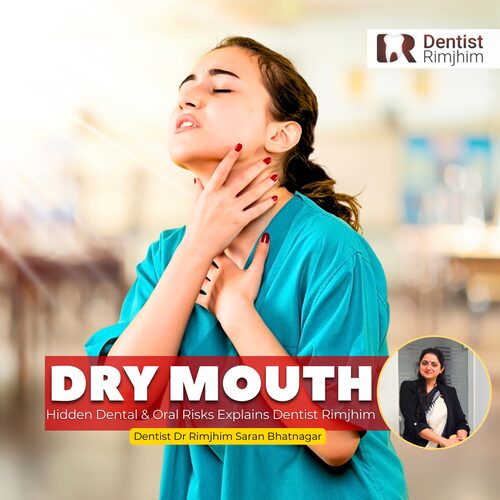
Habits That Can Make Dry Mouth Worse
Certain habits can further contribute to oral dryness. Smoking and tobacco use can negatively affect oral health, while excessive caffeine or alcohol consumption may worsen dryness for some individuals.
Using alcohol-containing mouthwashes may also feel uncomfortable in an already dry mouth. A dentist can recommend suitable oral care products based on the individual’s symptoms and needs.
Regular Dental Care Is Essential
People experiencing persistent dry mouth should not wait until cavities, gum problems or oral infections develop before seeking professional advice. Regular dental examinations allow early signs of damage to be identified and managed.
A dentist can also assess possible oral causes, review the condition of the teeth and gums, and recommend measures to protect the mouth from the effects of reduced saliva.
Protecting Your Oral Health
Dry mouth may seem like a minor inconvenience, but persistent symptoms can have significant consequences for dental and oral health. Reduced saliva can increase the risk of tooth decay, gum problems, oral infections and discomfort.
Recognising the symptoms early and addressing the underlying cause can help prevent complications. With good oral hygiene, adequate hydration, appropriate professional care and regular dental check-ups, people with dry mouth can take important steps towards protecting their teeth and maintaining a healthier mouth.
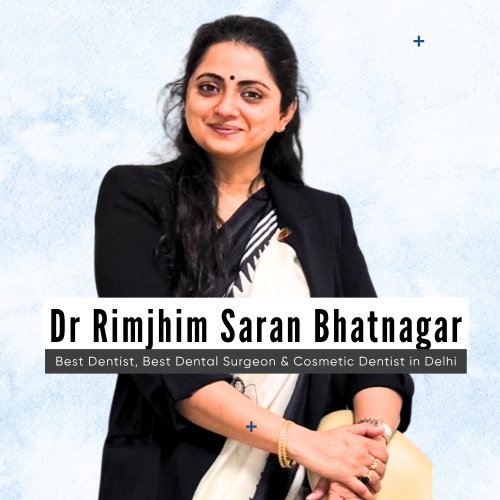
With an illustrious career spanning nearly two decades, Delhi’s best dentist, the leading dentist who specialises in root canal treatment, dental implants, pediatric dentistry, cosmetic dentistry, dental surgeries, and more, Dr Rimjhim Saran Bhatnagar, is a highly skilled and experienced dental specialist committed to providing exceptional patient care. Her expertise encompasses a comprehensive range of advanced dental procedures, from routine oral care to complex restorative and cosmetic treatments.
Dr. Rimjhim holds a Bachelor of Dental Surgery (BDS) and a Master’s Degree in Oral Medicine, Oral Diagnosis, and Oral Radiology. With over 12 years of experience working in some of the leading Delhi government hospitals, she has earned a reputation as one of the best dentists in Delhi, the best dental surgeons in Delhi, and a top cosmetic dentist in Delhi.… Read More