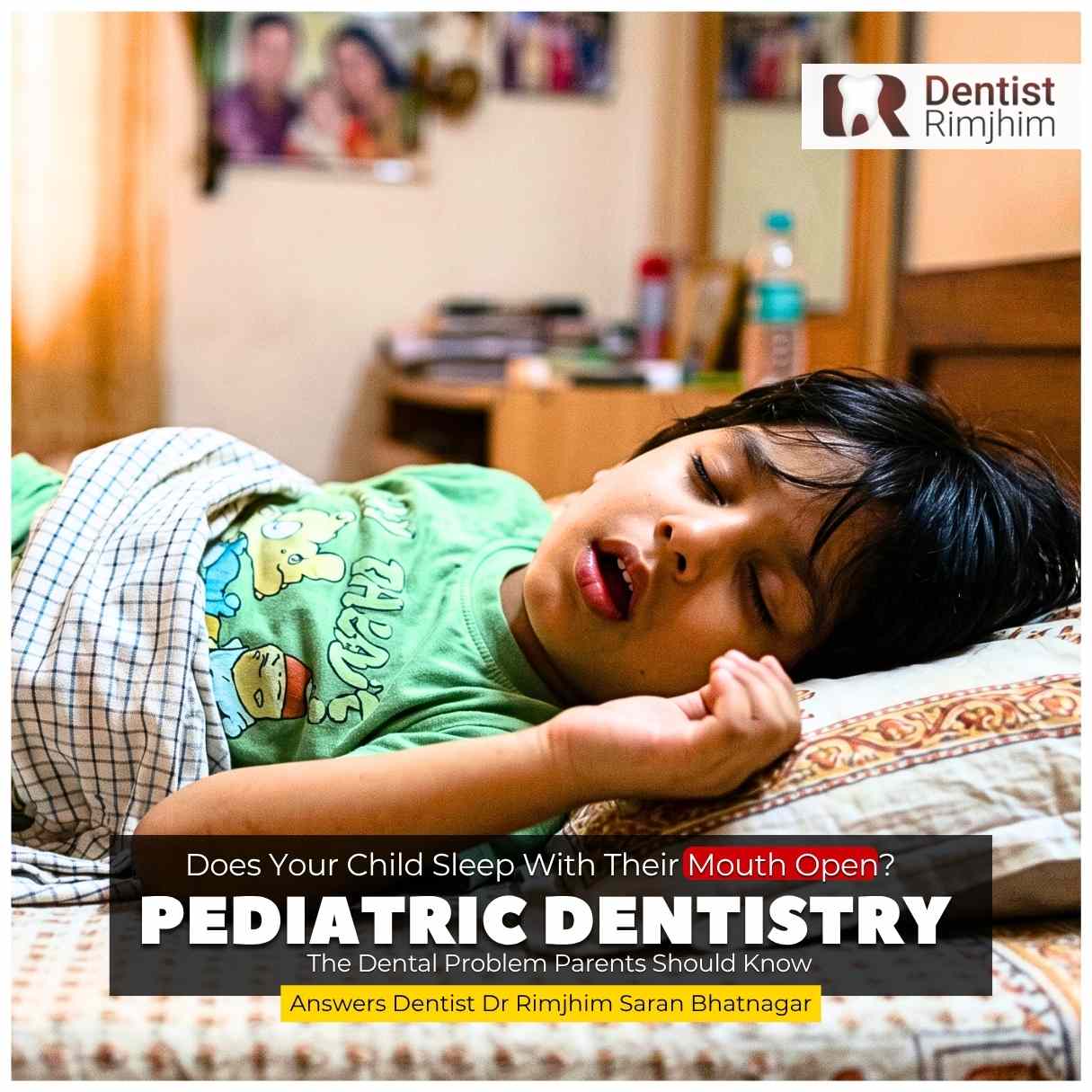
Does Your Child Sleep With Their Mouth Open?
Summary
- Regular mouth breathing during sleep may be linked to nasal or airway problems.
- Persistent mouth breathing can contribute to dry mouth, tooth decay and bite-related concerns.
- A paediatric dentist, paediatrician or ENT specialist can help identify the cause.
The Dental Problem Parents Should Know: Answers Dentist?
If your child regularly sleeps with their mouth open, it may seem like a harmless habit. However, persistent mouth breathing can sometimes be linked to nasal blockage, enlarged tonsils or adenoids, allergies, or other breathing difficulties. When it continues for a long time, it may also affect oral health, sleep quality and facial development.
Occasional mouth opening during sleep is not always a cause for concern. The important factor is whether it happens frequently and whether your child shows other symptoms shares Dr Rimjhim Saran Bhatnagar pediatric dentist in Delhi.
Why Can Mouth Breathing Affect Dental Health?
Mouth breathing can reduce the natural moisture inside the mouth. Saliva helps protect teeth and control harmful bacteria, so a dry mouth may increase the risk of bad breath, plaque buildup and tooth decay.
In growing children, long-term mouth breathing may also influence tongue position, jaw posture and the way teeth develop. It does not mean every child who sleeps with their mouth open will develop dental problems, but persistent symptoms should be evaluated.
“A child’s sleeping habit may reveal more than tiredness—it can sometimes offer an early clue about their breathing and oral health.” Says Dr Rimjhim Saran Bhatnagar one of the most experienced dentists in Delhi for kids.
Common Signs Parents Should Notice
Along with sleeping with their mouth open, a child may show:
- Dry lips or a dry mouth after waking up
- Snoring or noisy breathing during sleep
- Frequent nasal congestion
- Bad breath, especially in the morning
- Drooling while sleeping
- Restless sleep or frequent waking
- Difficulty breathing through the nose
- Crowded, protruding or misaligned teeth over time
These signs may have different causes, so they should not be used to diagnose a condition on their own.
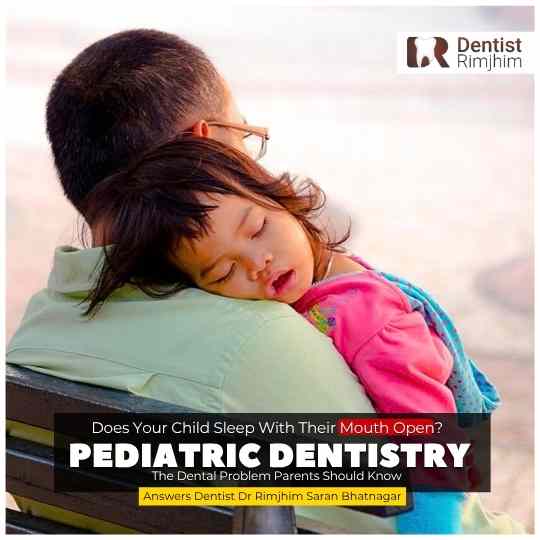
The Connection Between Nose, Sleep and Teeth
Children who cannot breathe comfortably through their nose may naturally begin breathing through their mouth. This can happen because of allergies, a blocked nose, enlarged adenoids or tonsils, or other airway-related concerns.
If mouth breathing continues during the growing years, the tongue may rest lower in the mouth instead of supporting the normal shape of the upper dental arch. In some children, this may contribute to changes in bite or tooth alignment.
How Mouth Breathing May Affect Oral Development?
Persistent mouth breathing has been associated with certain changes in facial growth and dental development, including a narrow upper jaw, increased overjet, open bite or crowded teeth.
These changes are not caused by mouth breathing alone and may also involve genetics, oral habits and airway conditions.
Early assessment can help identify whether the child needs dental monitoring, allergy management, an ENT evaluation or another form of care.
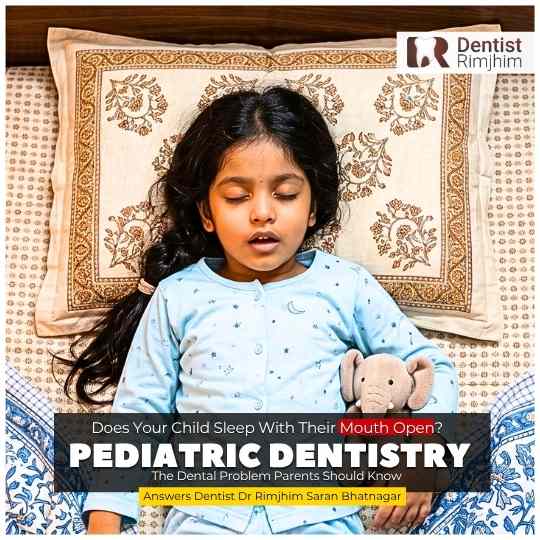
When Parents Should Consult a Dentist?
A dental visit is advisable if your child frequently sleeps with their mouth open, snores regularly, has persistent bad breath, develops crowded teeth or complains of dry mouth.
A paediatric dentist can examine the teeth, gums, bite and oral habits. If the symptoms suggest a nasal or airway problem, the dentist may recommend consultation with an ENT specialist or paediatrician.
Simple Steps Parents Can Take
Parents can begin by observing their child’s sleep and noting whether mouth breathing happens every night. Keeping track of snoring, nasal congestion, restless sleep and morning dryness can help during a consultation.
Good oral hygiene is also important. Encourage twice-daily brushing with fluoride toothpaste, regular dental check-ups and adequate water intake. Do not force a child to keep their mouth closed or use mouth tape, especially when the cause of mouth breathing has not been identified.
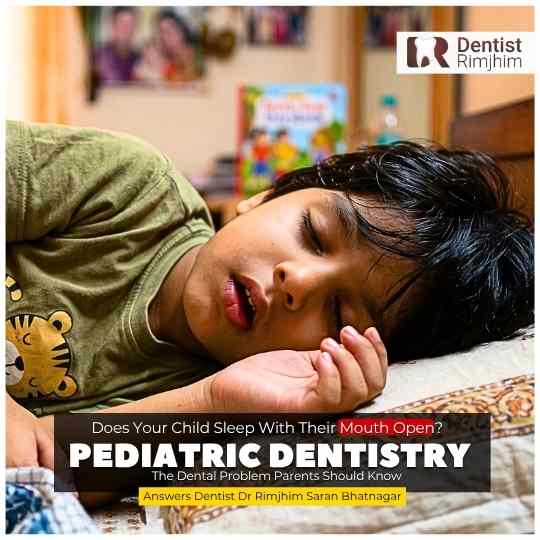 Early Attention Can Protect Growing Smiles
Mouth breathing during sleep is not always a dental problem, but frequent or persistent mouth breathing should not be ignored. Identifying the underlying cause early may help protect your child’s oral health, sleep quality and normal development.

With an illustrious career spanning nearly two decades, Delhi’s best dentist, the leading dentist who specialises in root canal treatment, dental implants, pediatric dentistry, cosmetic dentistry, dental surgeries, and more, Dr Rimjhim Saran Bhatnagar, is a highly skilled and experienced dental specialist committed to providing exceptional patient care. Her expertise encompasses a comprehensive range of advanced dental procedures, from routine oral care to complex restorative and cosmetic treatments.
Dr. Rimjhim holds a Bachelor of Dental Surgery (BDS) and a Master’s Degree in Oral Medicine, Oral Diagnosis, and Oral Radiology. With over 12 years of experience working in some of the leading Delhi government hospitals, she has earned a reputation as one of the best dentists in Delhi, the best dental surgeons in Delhi, and a top cosmetic dentist in Delhi.… Read More