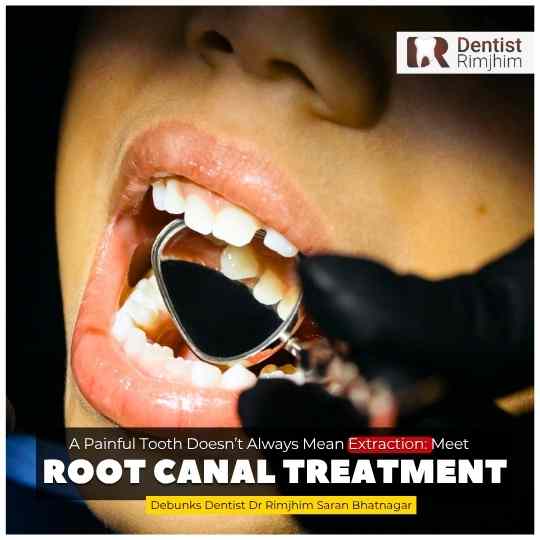
A Painful Tooth Doesn’t Always Mean Extraction: Meet the Root Canal Treatment
Summary
- A painful or infected tooth may often be saved with root canal treatment instead of extraction.
- Root canal treatment removes infected pulp, cleans the tooth, and seals it to restore function.
- Early dental evaluation improves the chances of preserving the natural tooth.
Tooth pain can quickly become difficult to ignore. A sharp sensation while eating, lingering sensitivity to hot or cold, or a constant throbbing ache may make you wonder whether the tooth has reached the end of its life. However, pain does not automatically mean that the tooth needs to be extracted. In many situations, root canal treatment can remove the infection and preserve the natural tooth.
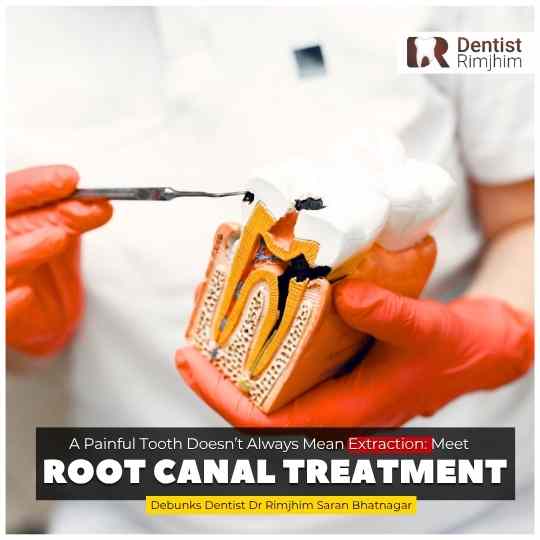
A root canal is a restorative dental procedure used when the pulp inside a tooth becomes inflamed or infected. By treating the problem from inside the tooth, a dentist can often stop the source of pain while allowing the tooth to remain in its natural positions shares dentist Dr Rimjhim Saran Bhatnagar a specialist for root canal treatment in Delhi.
Can a Painful Tooth Be Saved?
In many cases, yes. If the tooth has sufficient healthy structure and the infection has not made the tooth impossible to restore, root canal treatment may provide a way to save it. The procedure involves removing the infected or damaged pulp, cleaning the root canals, and sealing the space to prevent further infection.
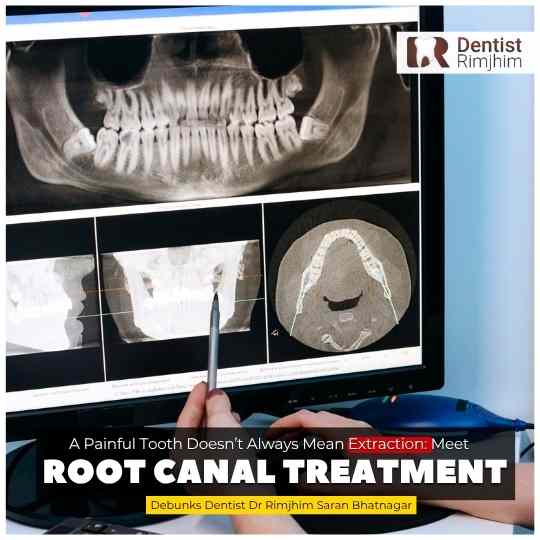
The decision depends on the condition of the tooth, the extent of decay or damage, and the surrounding tissues. A dental examination and appropriate imaging help the dentist determine whether the tooth is suitable for root canal treatment.
“Tooth pain does not always mean losing the tooth; timely root canal treatment can often save it.” Says one of Delhi’s experienced dental surgeons for root canal treatment Dr Rimjhim Saran Bhatnagar.
Deep Decay Can Reach the Tooth’s Inner Pulp
Tooth decay usually begins on the outer surface but can gradually move deeper when it is left untreated. Once bacteria reach the pulp, the nerves and blood vessels inside the tooth can become inflamed or infected.
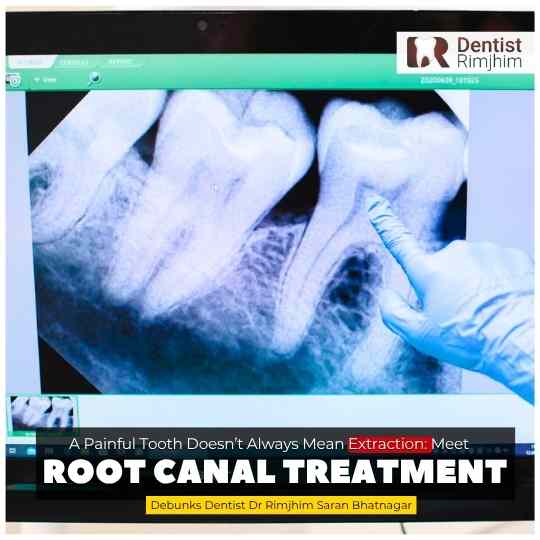
This can result in persistent toothache, sensitivity, pain while chewing, or discomfort that occurs without any obvious trigger. At this stage, simply treating the outer cavity may not be enough because the infection has reached the inner part of the tooth.
Infection Can Cause More Than Toothache
An infected tooth may produce symptoms such as throbbing pain, prolonged sensitivity to hot or cold foods, tenderness while biting, swelling around the gums, or a bad taste caused by drainage from an abscess.
In some cases, symptoms may temporarily decrease even though the infection remains. This does not necessarily mean that the tooth has healed. Without treatment, infection can spread beyond the tooth and affect the surrounding tissues.
Root Canal Treatment Targets the Problem From Within
During a root canal, the dentist accesses the inside of the affected tooth and removes the infected or inflamed pulp. The root canals are then carefully cleaned and disinfected before being filled and sealed.
Once the tooth has been treated, it is restored to protect its remaining structure. Depending on the amount of damage, a crown may be recommended to provide additional strength and reduce the risk of fracture.
Preserving the Natural Tooth Has Important Advantages
Keeping the natural tooth can help maintain normal chewing and biting function. It also helps preserve the existing alignment of the surrounding teeth and avoids the immediate need to replace a missing tooth.
Although modern dental implants and bridges can replace extracted teeth, preserving a healthy, restorable natural tooth is often a valuable option when treatment can provide a predictable result.
A Dental Crown Can Protect the Treated Tooth
A tooth that has undergone root canal treatment may have lost significant structure because of decay, cracks, or previous dental work. A crown can cover and protect the remaining tooth, particularly in teeth that experience substantial chewing forces.
The type of restoration depends on the tooth’s location, remaining structure, bite, and overall dental condition. The dentist will determine the most appropriate restoration after treatment.
Extraction Has a Place When the Tooth Cannot Be Restored
Root canal treatment cannot save every tooth. Extraction may be necessary when the tooth is severely fractured, has insufficient healthy structure to support a restoration, or cannot be treated successfully because of the extent of the damage.
However, extraction should not be assumed simply because a tooth hurts. A professional evaluation can determine whether the tooth can be restored and whether root canal treatment is appropriate.
Early Treatment Can Improve the Chance of Saving the Tooth
Ignoring tooth pain rarely solves the underlying cause. Decay and infection can progress, potentially causing more extensive damage and making treatment more complicated.
If you experience persistent toothache, sensitivity, swelling, or pain while chewing, visiting a dentist early can help identify the problem and explore tooth-preserving options. In the right situation, a root canal can eliminate infection, relieve symptoms, and give a natural tooth another chance to function.
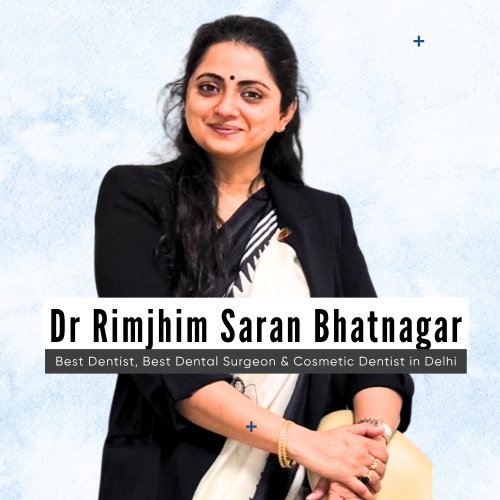
With an illustrious career spanning nearly two decades, Delhi’s best dentist, the leading dentist who specialises in root canal treatment, dental implants, pediatric dentistry, cosmetic dentistry, dental surgeries, and more, Dr Rimjhim Saran Bhatnagar, is a highly skilled and experienced dental specialist committed to providing exceptional patient care. Her expertise encompasses a comprehensive range of advanced dental procedures, from routine oral care to complex restorative and cosmetic treatments.
Dr. Rimjhim holds a Bachelor of Dental Surgery (BDS) and a Master’s Degree in Oral Medicine, Oral Diagnosis, and Oral Radiology. With over 12 years of experience working in some of the leading Delhi government hospitals, she has earned a reputation as one of the best dentists in Delhi, the best dental surgeons in Delhi, and a top cosmetic dentist in Delhi.… Read More