Is Laser Dentistry Safe? Facts Patients Need to Know
Dental treatments have come a long way from the days of drills, discomfort, and long recovery times. One of the most talked-about advancements in modern dentistry is laser dentistry. Patients often hear that laser treatments are quicker, gentler, and virtually painless—but a common and understandable question remains: Is laser dentistry actually safe?
Understanding how dental lasers work and when they are used can help patients make informed and confident decisions about their oral care shares Dr Rimjhim Saran Bhatnagar who is a top dentist for laser dentistry in Delhi.
What Is Laser Dentistry?
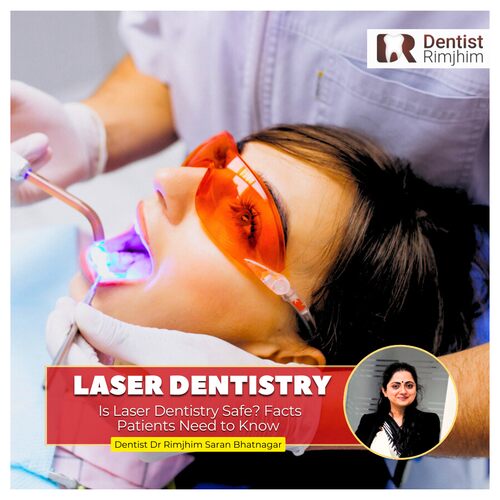
Laser dentistry uses focused light energy to perform a variety of dental procedures involving the teeth and gums. Instead of traditional tools, dentists use specially designed dental lasers to remove or reshape tissue, treat decay, or manage gum problems. These lasers are carefully calibrated for dental use and differ from medical or cosmetic lasers, making them precise and controlled for oral treatments.

Is Laser Dentistry Approved and Regulated?
Yes, laser dentistry is considered safe when performed by a trained professional. Dental lasers are approved by regulatory authorities and are widely used across dental clinics worldwide. Dentists who offer laser treatments undergo specific training to understand laser settings, tissue interaction, and safety protocols. When used correctly, lasers are highly precise and minimize damage to surrounding healthy tissues.
Why Laser Dentistry Is Considered Safe?
One of the main reasons laser dentistry has gained trust is its precision. Lasers target only the affected area, leaving healthy tissue untouched. This reduces the risk of infection and excessive bleeding. In gum procedures, lasers also help sterilize the area as they work, lowering the chance of bacterial contamination. For many patients, this results in quicker healing and fewer post-treatment complications.
Reduced Pain and Anxiety for Patients
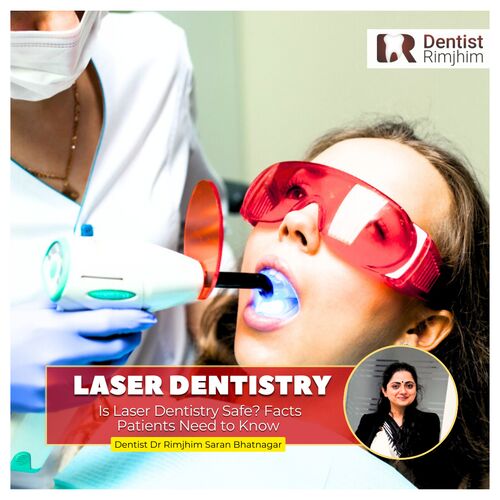
Safety is not just about clinical outcomes—it also includes patient comfort. Laser dentistry often causes less pain compared to traditional methods, which means many procedures require little or no anesthesia. This makes laser treatments especially beneficial for patients who experience dental anxiety or sensitivity. Reduced vibration, noise, and pressure further enhance the overall safety and comfort of the experience.
Common Procedures Performed Using Dental Lasers
Laser dentistry is commonly used for treating gum disease, removing excess gum tissue, managing tooth sensitivity, whitening teeth, and detecting early cavities. It is also used in some surgical procedures such as frenectomies and lesion removal. While lasers are highly effective for many treatments, they may not be suitable for every dental condition, which is why professional evaluation is essential.

Are There Any Risks or Limitations?
Like any medical technology, laser dentistry has limitations. It may not be appropriate for teeth with large existing fillings or certain advanced dental problems. Improper use can cause tissue damage, which is why experience and training are critical. However, when performed by a qualified dentist, the risks are minimal and comparable—or even lower—than conventional dental procedures.
Who Is a Good Candidate for Laser Dentistry?
Most patients can safely undergo laser dental treatments, including children and seniors. It is particularly helpful for those with gum disease, dental anxiety, or sensitivity to traditional tools. Your dentist will assess your oral condition and medical history before recommending laser treatment, ensuring it is the safest option for your needs.
Laser dentistry is a safe and effective advancement that has transformed many dental procedures. With proper training, regulation, and patient assessment, dental lasers offer precise treatment, faster healing, and improved comfort. If you’re considering laser dentistry, the best step is to consult a qualified dentist who can explain whether this modern approach is right for you. Being informed helps you feel confident—and safe—about your dental care choices.

With an illustrious career spanning nearly two decades, Delhi’s best dentist, the leading dentist who specialises in root canal treatment, dental implants, pediatric dentistry, cosmetic dentistry, dental surgeries, and more, Dr Rimjhim Saran Bhatnagar, is a highly skilled and experienced dental specialist committed to providing exceptional patient care. Her expertise encompasses a comprehensive range of advanced dental procedures, from routine oral care to complex restorative and cosmetic treatments.
Dr. Rimjhim holds a Bachelor of Dental Surgery (BDS) and a Master’s Degree in Oral Medicine, Oral Diagnosis, and Oral Radiology. With over 12 years of experience working in some of the leading Delhi government hospitals, she has earned a reputation as one of the best dentists in Delhi, the best dental surgeons in Delhi, and a top cosmetic dentist in Delhi.… Read More