Best Home Remedies for Mouth Ulcers – By Dentist Dr Rimjhim
Summary
- Mouth ulcers usually heal within one to two weeks.
- Salt-water rinses, soft foods, and cold drinks can ease discomfort.
- Persistent or recurring ulcers should be checked by a dentist.
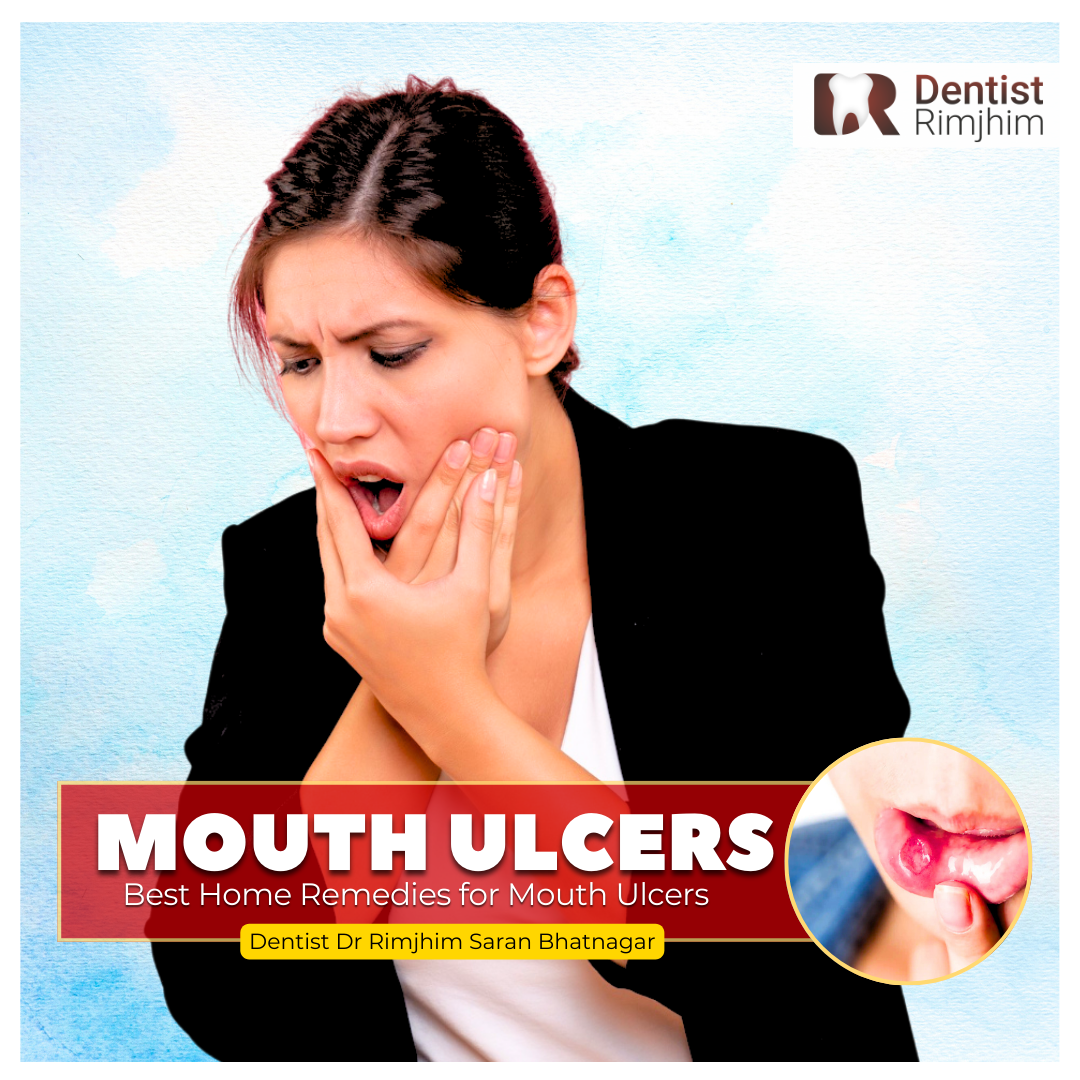
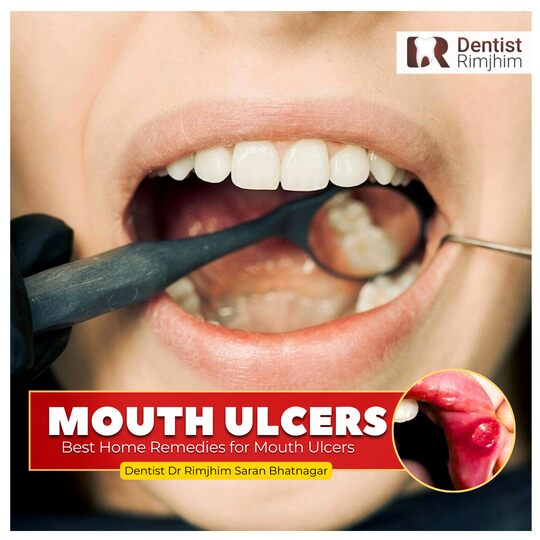
Mouth ulcers are small, painful sores that can develop on the tongue, gums, inner cheeks, lips, or roof of the mouth. They can make simple activities such as eating, drinking, and speaking uncomfortable. Most minor mouth ulcers heal on their own within one to two weeks, but the discomfort can often be managed with simple home care.
Understanding what can soothe an ulcer and what may irritate it can make the healing period much easier shares Dr Rimjhim Saran Bhatnagar an experienced dentist in Delhi for Preventive Dentistry.
What Causes Mouth Ulcers?
Mouth ulcers can develop for several reasons. Accidentally biting the inside of your cheek, brushing too aggressively, or irritation from braces or dentures may trigger them. Stress, hormonal changes, minor injuries, and certain nutritional deficiencies may also contribute to recurring ulcers.
Some people may notice ulcers after eating particularly spicy, salty, acidic, or very hot foods. In other cases, recurring or persistent ulcers can be associated with an underlying health condition or medication. Therefore, frequent ulcers should not always be treated as a simple irritation.
“Simple home care can ease the pain of mouth ulcers, but persistent sores deserve professional attention.” Says Dentist for mouth ulcers treatment in Delhi Dr Rimjhim Saran Bhatnagar.
Some of the home remedies that may help in mouth ulcers are:
Rinse With Salt Water
A salt-water rinse is one of the simplest ways to keep the mouth clean and soothe irritation. Mix about half a teaspoon of salt in a glass of warm water, gently rinse your mouth, and spit it out. You can repeat this a few times a day. Avoid swallowing the solution.
Try a Baking Soda Rinse
A mild baking soda rinse may also help soothe irritation. Mix a small amount of baking soda with water and gently rinse the mouth. Do not apply dry baking soda directly to the ulcer, as this may cause additional irritation.
Use a Cold Compress
Cold can temporarily numb the area and reduce discomfort. Allowing a small piece of ice to melt slowly in the mouth or drinking cool water may provide short-term relief. Avoid holding ice against the ulcer for too long.
Choose Soft and Mild Foods
While an ulcer is healing, choose foods that are soft and easy to chew. Yogurt, porridge, mashed vegetables, smoothies, and other mild foods can be easier to tolerate. Avoid very spicy, salty, acidic, or crunchy foods if they make the sore more painful.
Maintain Good Oral Hygiene
Keeping your mouth clean is important even when brushing feels uncomfortable. Use a soft-bristled toothbrush and brush gently around the affected area. Good oral hygiene can help prevent additional irritation and maintain overall oral health.
What Should You Avoid?
Avoid picking, biting, or repeatedly touching the ulcer. Tobacco products and alcohol can irritate the mouth and may make symptoms worse. It is also better to avoid toothpaste or mouthwash that causes burning or discomfort.
Home remedies are mainly intended to reduce discomfort while the ulcer heals naturally. They do not necessarily treat the underlying cause of recurring ulcers.
When Should You See a Dentist?
Most minor mouth ulcers disappear within one to two weeks. However, consult a dentist if an ulcer lasts longer than two weeks, keeps coming back, becomes unusually large or painful, or makes eating and drinking difficult. Multiple ulcers or ulcers accompanied by other symptoms may also require professional evaluation.
A dentist can examine the ulcer, identify possible triggers, and recommend appropriate treatment when necessary. Simple home care can provide relief, but persistent or recurring mouth ulcers should never be ignored.
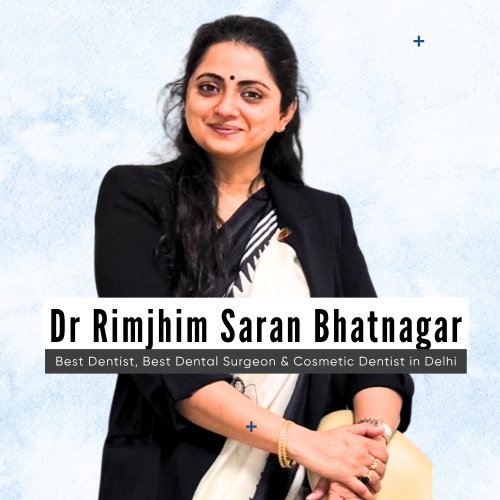
With an illustrious career spanning nearly two decades, Delhi’s best dentist, the leading dentist who specialises in root canal treatment, dental implants, pediatric dentistry, cosmetic dentistry, dental surgeries, and more, Dr Rimjhim Saran Bhatnagar, is a highly skilled and experienced dental specialist committed to providing exceptional patient care. Her expertise encompasses a comprehensive range of advanced dental procedures, from routine oral care to complex restorative and cosmetic treatments.
Dr. Rimjhim holds a Bachelor of Dental Surgery (BDS) and a Master’s Degree in Oral Medicine, Oral Diagnosis, and Oral Radiology. With over 12 years of experience working in some of the leading Delhi government hospitals, she has earned a reputation as one of the best dentists in Delhi, the best dental surgeons in Delhi, and a top cosmetic dentist in Delhi.… Read More