Failed Root Canal? Here’s Why a Good Endodontist Matters
A root canal is often seen as the final solution to severe tooth pain, infection, or damage. When done correctly, it can save a natural tooth for many years, even a lifetime. However, not all root canal treatments succeed. Persistent pain, swelling, or reinfection after the procedure can leave patients confused and frustrated. A failed root canal is not just about the procedure itself; it often highlights the importance of who performs it. This is where the expertise of a skilled endodontist truly matters says Dr Rimjhim Saran Bhatnagar who is a leading endodontist in Delhi.
What Is a Root Canal Treatment?
A root canal treatment is a dental procedure used to treat infection or inflammation inside a tooth. At the center of every tooth lies the pulp, which contains nerves, blood vessels, and connective tissue. Deep decay, cracks, repeated dental procedures, or trauma can allow bacteria to reach this pulp, causing pain and infection says Dr Rimjhim Saran Bhatnagar who is one of Delhi’s top dentist for root canal treatment.
During a root canal, the dentist or endodontist removes the infected pulp, cleans and disinfects the root canals, and then fills and seals them to prevent further infection. Finally, the tooth is usually restored with a crown to protect it and restore normal function. When performed with precision, a root canal relieves pain and preserves the natural tooth structure, which is always preferable to extraction.
Why Do Root Canals Sometimes Fail?
Despite being a common and generally successful procedure, root canals can fail for several reasons. Some teeth have complex root canal anatomy, with narrow, curved, or extra canals that are difficult to locate and clean. If even a small portion of infected tissue or bacteria remains, it can lead to reinfection.
Other causes include delayed placement of a crown, allowing bacteria to re-enter the tooth, cracks in the tooth that go unnoticed, or poor-quality filling material that does not seal the canals properly. In some cases, new decay can expose the treated tooth to bacteria again. These issues often result in lingering pain, sensitivity, swelling, or abscess formation.
Why a Good Endodontist Makes a Difference?
An endodontist is a dental specialist who focuses exclusively on diagnosing and treating problems related to the dental pulp and root canals. While general dentists perform many root canals successfully, endodontists handle complex cases and failed treatments on a regular basis.
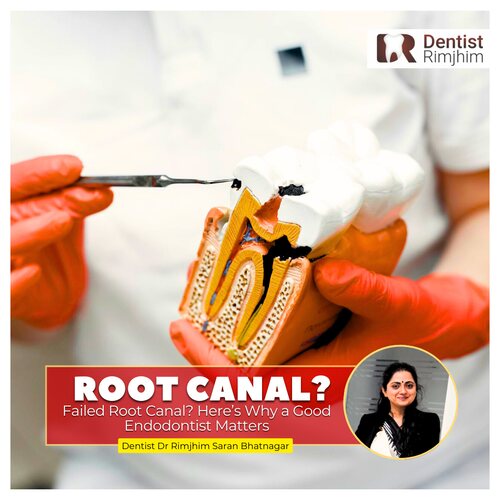
A skilled endodontist like Dr Rimjhim Saran Bhatnagar brings advanced training, experience, and technology to the procedure. They use high-magnification tools like dental operating microscopes to identify tiny canals that might otherwise be missed. Advanced imaging techniques, such as 3D cone-beam CT scans, help detect hidden infections, fractures, or unusual anatomy that can compromise treatment success.
When dealing with a failed root canal, an endodontist can assess whether retreatment is possible. Root canal retreatment involves removing the old filling material, thoroughly cleaning the canals again, addressing the underlying cause of failure, and resealing the tooth. In cases where retreatment is not feasible, procedures like apicoectomy (surgical removal of the infected root tip) may be recommended to save the tooth.
The Long-Term Value of Specialist Care
Choosing a good endodontist is not just about fixing immediate pain; it is about long-term oral health. Properly treated teeth maintain normal biting function, preserve jawbone integrity, and prevent the shifting of surrounding teeth. Saving a natural tooth also avoids the higher costs and maintenance associated with dental implants or bridges.
Patients often report better pain control, faster healing, and greater confidence when treated by an experienced endodontist. Their focused expertise reduces the risk of complications and increases the likelihood that the tooth will remain healthy for years.
A failed root canal does not always mean the tooth is beyond saving. With the right expertise, many teeth can be successfully retreated and preserved. A good endodontist combines specialized knowledge, advanced technology, and meticulous technique to address the root cause of failure, not just the symptoms. When it comes to something as valuable as your natural teeth, specialist care can make all the difference.
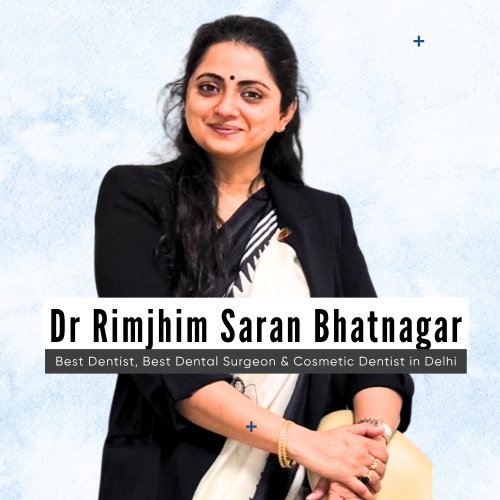
With an illustrious career spanning nearly two decades, Delhi’s best dentist, the leading dentist who specialises in root canal treatment, dental implants, pediatric dentistry, cosmetic dentistry, dental surgeries, and more, Dr Rimjhim Saran Bhatnagar, is a highly skilled and experienced dental specialist committed to providing exceptional patient care. Her expertise encompasses a comprehensive range of advanced dental procedures, from routine oral care to complex restorative and cosmetic treatments.
Dr. Rimjhim holds a Bachelor of Dental Surgery (BDS) and a Master’s Degree in Oral Medicine, Oral Diagnosis, and Oral Radiology. With over 12 years of experience working in some of the leading Delhi government hospitals, she has earned a reputation as one of the best dentists in Delhi, the best dental surgeons in Delhi, and a top cosmetic dentist in Delhi.… Read More