Laser Teeth Whitening: Does It Really Make Your Smile Brighter?
Summary
- Laser teeth whitening can noticeably lighten certain types of tooth discolouration.
- Results depend on the cause of staining, the whitening system and the condition of the teeth.
- Professional assessment is important to ensure whitening is suitable and to manage possible sensitivity.
A brighter smile can make a noticeable difference to the way your teeth look, which is why professional teeth whitening has become a popular cosmetic dental treatment. Among the available options, laser teeth whitening is often promoted as a quick way to improve tooth colour and reduce visible stains.
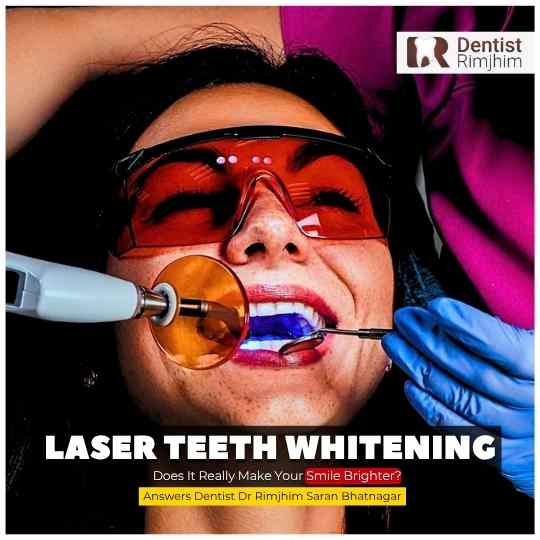
The treatment generally involves applying a whitening agent to the teeth and using a specialised light or laser device as part of the procedure. While it can produce noticeable whitening, the results can vary depending on the type of staining, the condition of the teeth and the whitening system used shares Dr Rimjhim Saran Bhatnagar an eminent dentist in Delhi for Laser Dentistry Treatment.
Does Laser Teeth Whitening Really Make Teeth Brighter?
Laser teeth whitening can make teeth appear noticeably lighter by helping break down certain stains and discolouration on the tooth surface. Professional whitening treatments typically use peroxide-based bleaching agents, while the light source may be used according to the specific whitening system.
The amount of whitening achieved is not the same for everyone. Surface stains caused by foods, drinks or tobacco may respond differently from deeper or intrinsic discolouration within the tooth.
How Laser Teeth Whitening Works
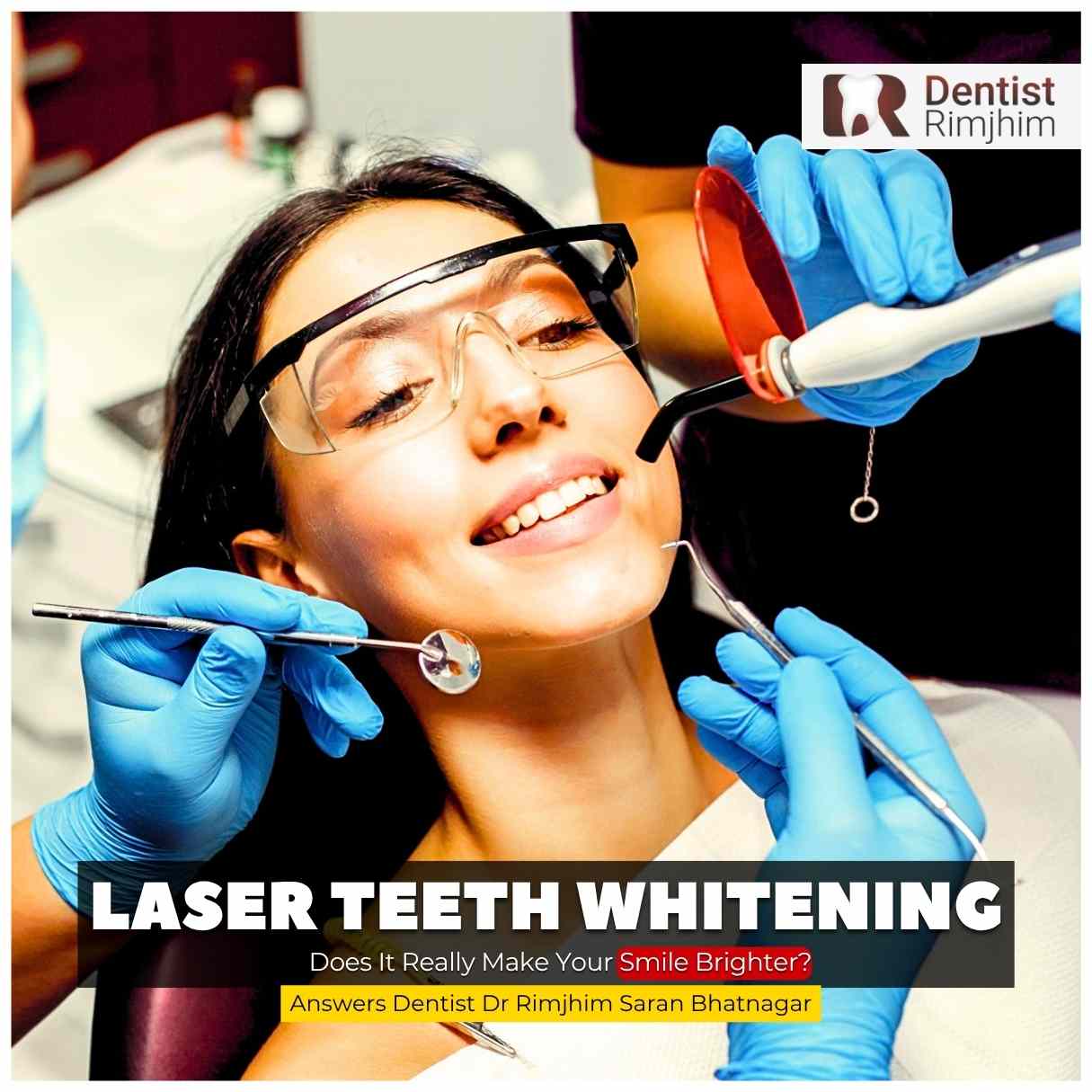
During professional whitening, a dentist generally examines the teeth and gums before treatment. A whitening gel containing a peroxide-based bleaching ingredient is then applied to the teeth.
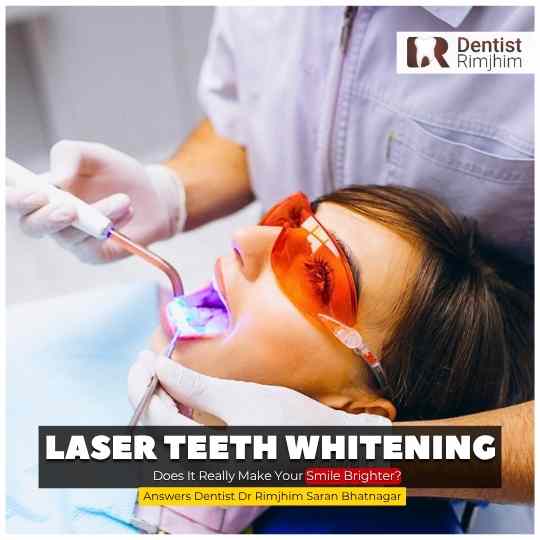
Depending on the system being used, a specialised light may be directed at the teeth for a specific period. The whitening agent works on stain molecules, helping lighten the overall shade of the teeth.
The exact procedure, treatment time and number of applications can vary between dental practices and whitening systems.
“A brighter smile starts with understanding the cause of tooth discolouration and choosing the right whitening treatment for your teeth.” Says Dr Rimjhim Saran Bhatnagar who is an experienced dental surgeon for laser dentistry in Delhi.
Types of Stains That Can Be Treated
Teeth can become discoloured for several reasons. Common external stains may result from coffee, tea, red wine, tobacco and strongly coloured foods.
Intrinsic discolouration develops within the tooth and may be associated with ageing, certain medications, trauma or changes that occur during tooth development. These deeper stains may be more difficult to whiten and may not respond as well to conventional bleaching.
A dentist can assess the type and cause of discolouration before recommending a whitening approach.
Benefits of Professional Teeth Whitening
Professional whitening can provide more controlled treatment than many over-the-counter whitening products. A dentist can also evaluate existing dental problems before starting the procedure.
Depending on the individual case, potential benefits include a visibly lighter tooth shade, reduction of certain stains and a more even-looking smile.
However, teeth whitening is a cosmetic procedure and does not replace routine dental care such as brushing, flossing and regular dental examinations.
Tooth Sensitivity and Gum Irritation
Temporary tooth sensitivity is one of the more common side effects associated with professional whitening. Some people may also experience temporary gum irritation if whitening material comes into contact with the gums.
The likelihood and severity of sensitivity can depend on the concentration of the whitening agent, treatment duration and individual sensitivity.
Following the dentist’s instructions can help minimise discomfort. People with existing tooth sensitivity or dental problems should discuss these concerns before treatment.
Results and Maintenance
Whitening results are not permanent. Teeth can gradually become stained again through everyday exposure to foods, drinks and tobacco.
Maintaining good oral hygiene and limiting frequent exposure to staining substances can help preserve the result. Your dentist may also recommend an appropriate maintenance routine based on your teeth and the whitening treatment used.
The final shade can also vary from person to person, so it is important to have realistic expectations about the outcome.
When Teeth Whitening May Not Be Suitable
Teeth whitening is not suitable for every type of dental discolouration. Existing cavities, gum disease, cracks or other dental problems may need to be addressed before cosmetic whitening.
Whitening products generally affect natural tooth structure and do not lighten the colour of existing crowns, veneers, fillings or other tooth-coloured restorations. This can sometimes result in a difference between natural teeth and dental restorations.
A dental examination can help determine whether whitening is appropriate and what type of result can reasonably be expected.
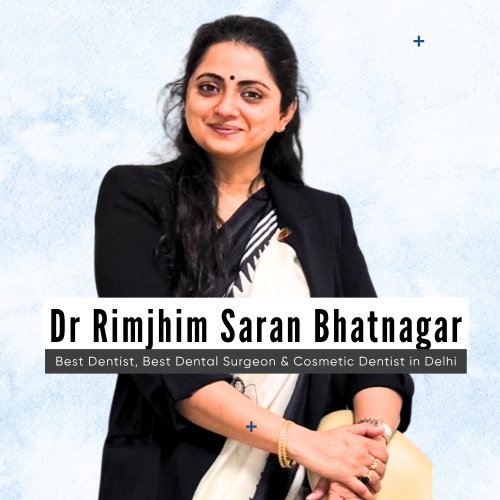
With an illustrious career spanning nearly two decades, Delhi’s best dentist, the leading dentist who specialises in root canal treatment, dental implants, pediatric dentistry, cosmetic dentistry, dental surgeries, and more, Dr Rimjhim Saran Bhatnagar, is a highly skilled and experienced dental specialist committed to providing exceptional patient care. Her expertise encompasses a comprehensive range of advanced dental procedures, from routine oral care to complex restorative and cosmetic treatments.
Dr. Rimjhim holds a Bachelor of Dental Surgery (BDS) and a Master’s Degree in Oral Medicine, Oral Diagnosis, and Oral Radiology. With over 12 years of experience working in some of the leading Delhi government hospitals, she has earned a reputation as one of the best dentists in Delhi, the best dental surgeons in Delhi, and a top cosmetic dentist in Delhi.… Read More