Root Canal Done? Here’s How to Protect and Care for Your Tooth
A root canal can save a badly infected tooth and protect your overall oral health. But many people assume the treatment ends once they leave the dental chair. In reality, proper care after a root canal is just as important as the procedure itself. The way you look after your treated tooth can determine how well it heals, how long it lasts, and whether you avoid future complications.
If you’ve recently undergone a root canal or are planning for one, understanding the procedure and the right aftercare routine can help you maintain a strong, healthy smile, says Dr Rimjhim Saran Bhatnagar, one of the most experienced dental surgeons for root canal surgery in Delhi, India.
What Is a Root Canal?
A root canal is a dental procedure used to treat infection inside the tooth. Inside every tooth is a soft tissue called pulp, which contains nerves and blood vessels. When bacteria enter the pulp due to deep decay, cracks, trauma, or repeated dental procedures, it can cause severe infection and pain.
During a root canal procedure, the infected pulp is removed, the inside of the tooth is cleaned and disinfected, and then it is sealed with a special filling material. In most cases, a crown is later placed on the treated tooth to restore its strength and function. Root canal treatment helps save the natural tooth and prevents the need for extraction.
Why Root Canal Aftercare Is Important?
Even though the infection is removed during the procedure, the treated tooth still needs time to heal. The tooth may be slightly weaker than a natural untreated tooth, especially before a permanent crown is placed. Proper care helps prevent reinfection, protects the tooth structure, and ensures long-term success.
Many root canal failures happen not because of the procedure but because of poor aftercare, delayed crown placement, or neglect of oral hygiene.
What to Expect After a Root Canal?
It is normal to experience mild discomfort or sensitivity for a few days after treatment. This usually happens because surrounding tissues may still be inflamed. The discomfort usually reduces gradually as healing progresses. Chewing on the treated side should be avoided until the permanent restoration is completed.
If severe pain, swelling, or persistent discomfort occurs, dental evaluation is necessary to rule out complications.
How to Care for Your Tooth After a Root Canal?
Maintaining excellent oral hygiene is essential. Brushing twice daily and flossing helps prevent bacterial buildup around the treated tooth. Gentle brushing around the treated area helps protect healing tissues.
Eating soft foods for the first few days reduces pressure on the treated tooth. Avoiding very hard, sticky, or crunchy foods prevents damage to the temporary filling or untreated crown.
Completing the crown placement is extremely important. Many people delay or skip this step, which increases the risk of tooth fracture. A crown provides structural support and protects the treated tooth during chewing.
Long-Term Protection for Root Canal Treated Teeth
Regular dental checkups help monitor the treated tooth and surrounding tissues. Early detection of any problem can prevent major complications. Good oral hygiene habits and professional cleaning help maintain gum health and prevent reinfection.
Avoiding habits such as chewing ice, opening packages with teeth, or grinding teeth helps protect the treated tooth. If teeth grinding is present, using a night guard may be recommended.
Signs That Need Immediate Dental Attention
Persistent pain, swelling, pus discharge, bad taste, or loosening of the treated tooth should never be ignored. These symptoms may indicate reinfection or restoration failure and need immediate treatment.
A root canal is a highly effective treatment for saving infected teeth, but its success depends heavily on post-treatment care. With proper hygiene, timely crown placement, and regular dental visits, a root canal treated tooth can last for many years. Taking the right precautions ensures long-term comfort, function, and protection of your natural smile.
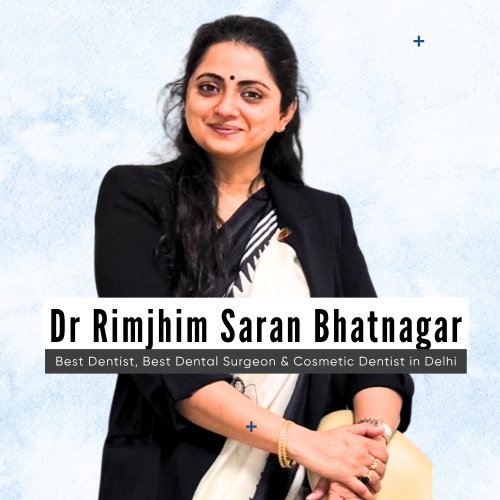
With an illustrious career spanning nearly two decades, Delhi’s best dentist, the leading dentist who specialises in root canal treatment, dental implants, pediatric dentistry, cosmetic dentistry, dental surgeries, and more, Dr Rimjhim Saran Bhatnagar, is a highly skilled and experienced dental specialist committed to providing exceptional patient care. Her expertise encompasses a comprehensive range of advanced dental procedures, from routine oral care to complex restorative and cosmetic treatments.
Dr. Rimjhim holds a Bachelor of Dental Surgery (BDS) and a Master’s Degree in Oral Medicine, Oral Diagnosis, and Oral Radiology. With over 12 years of experience working in some of the leading Delhi government hospitals, she has earned a reputation as one of the best dentists in Delhi, the best dental surgeons in Delhi, and a top cosmetic dentist in Delhi.… Read More