Living With Diabetes? Do You Know How It Affects Your Teeth & Gums?
Diabetes doesn’t just affect your blood sugar, nerves or eyes — it also has a powerful impact on your mouth. Your teeth and gums are directly influenced by your blood sugar levels, the health of your blood vessels, and your body’s ability to fight infections. Many people living with diabetes don’t realise how closely their oral health is connected to their overall health says Dr Rimjhim Saran Bhatnagar who is one of the leading periodontics in Delhi, Gurugram and NOIDA.
Do You Need to Worry About Your Teeth and Gums if You Are a Diabetic?
Yes, you definitely do. Diabetes can make you more prone to gum infections, tooth decay, delayed healing and oral dryness because high blood sugar creates an environment where bacteria thrive and the mouth’s natural defenses weaken. This means dental problems tend to develop faster and become more serious in diabetics if not monitored closely.
How Diabetes Affects Your Gums?
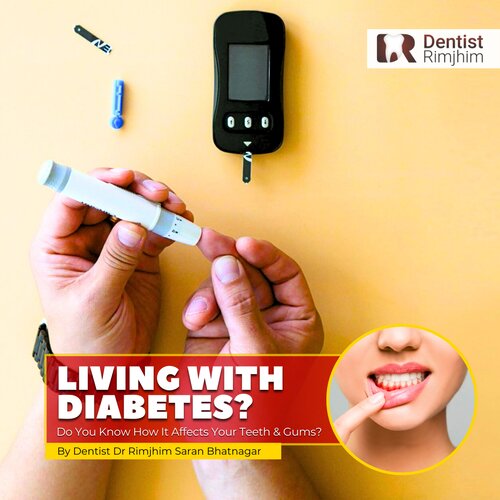
Dr Rimjhim Saran Bhatnagar who is one of the most experienced periodontics in Delhi says diabetes increases the amount of sugar in your saliva, allowing bacteria to grow more rapidly along the gumline. This leads to inflammation, gum swelling and bleeding — the earliest signs of gum disease. If your sugar levels stay uncontrolled, this can advance into periodontitis, a deeper gum infection that affects the bone holding your teeth. Diabetics also heal more slowly, so gum infections take longer to resolve.
Why Tooth Decay Happens More Often?
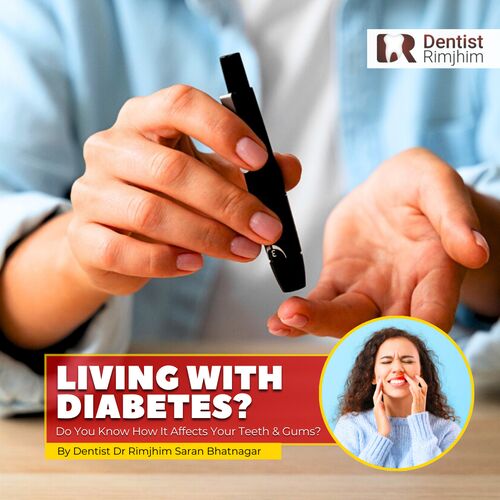
When blood sugar is high, the mouth becomes dry because saliva production decreases. Saliva is your natural protector — it washes away food particles and neutralises harmful acids. Without enough saliva, the enamel weakens, making cavities more likely. This dryness also causes bad breath and makes the mouth feel sticky or irritated.
Slow Healing and Higher Infection Risk
One of the hidden effects of diabetes is delayed healing. Any small cut, sore or ulcer inside the mouth can take longer to recover, which increases the chance of infections. Even after dental treatments such as cleanings or extractions, diabetics may take more time to heal, so maintaining controlled blood sugar is important for smoother recovery.
Increased Chance of Fungal Infections
Diabetics are more likely to develop oral thrush, a fungal infection caused by Candida. High sugar in the saliva feeds the fungus, leading to white patches, redness and a burning sensation inside the mouth. This condition requires treatment and is more common in people with uncontrolled diabetes.
Protecting Your Oral Health When You Have Diabetes
Managing your blood sugar is the first and most effective way to protect your teeth and gums. Good oral hygiene — brushing twice a day, flossing, and rinsing — helps reduce bacteria buildup. Regular dental checkups are essential, as your dentist can identify early signs of gum disease and prevent complications. Diabetics often benefit from more frequent cleanings to keep inflammation under control.
When You Should See a Dentist?
If you notice bleeding gums, persistent bad breath, loose teeth, dry mouth, or mouth sores that don’t heal, it’s important to visit a dentist like Dr Rimjhim Bhatnagar in Delhi NCR quickly. Early intervention prevents bigger problems and helps keep your oral health stable as you manage your diabetes.
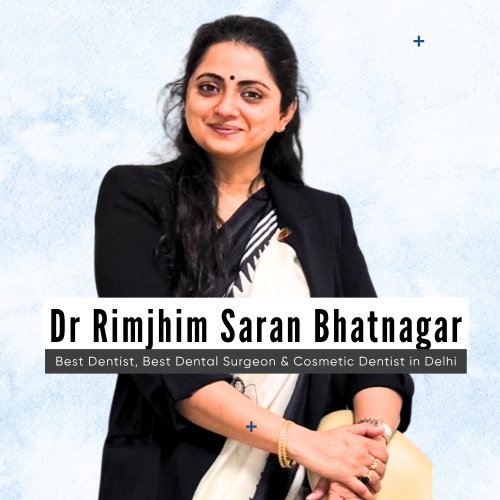
With an illustrious career spanning nearly two decades, Delhi’s best dentist, the leading dentist who specialises in root canal treatment, dental implants, pediatric dentistry, cosmetic dentistry, dental surgeries, and more, Dr Rimjhim Saran Bhatnagar, is a highly skilled and experienced dental specialist committed to providing exceptional patient care. Her expertise encompasses a comprehensive range of advanced dental procedures, from routine oral care to complex restorative and cosmetic treatments.
Dr. Rimjhim holds a Bachelor of Dental Surgery (BDS) and a Master’s Degree in Oral Medicine, Oral Diagnosis, and Oral Radiology. With over 12 years of experience working in some of the leading Delhi government hospitals, she has earned a reputation as one of the best dentists in Delhi, the best dental surgeons in Delhi, and a top cosmetic dentist in Delhi.… Read More