Why Oral Screening Matters: Advice from Dentist Rimjhim Bhatnagar
Summary
- Oral screening can detect dental and oral health problems before symptoms appear.
- Regular examinations help identify suspicious changes in the teeth, gums and oral tissues early.
- Preventive screening supports timely treatment and better long-term oral health./li>
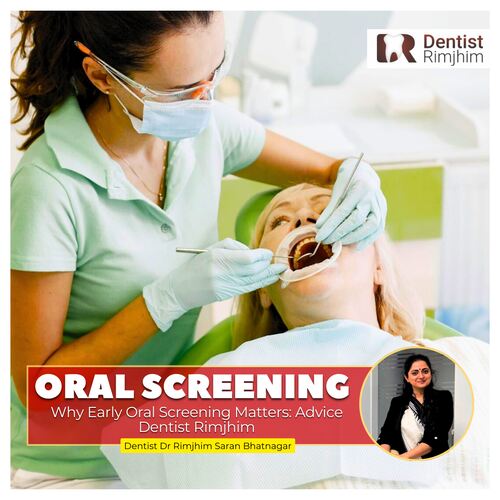
Oral health is often treated as separate from overall health, yet the mouth is one of the clearest mirrors of what’s happening inside the body. Many serious dental and medical conditions can begin silently, without pain or visible symptoms. By the time discomfort appears, the problem may already be advanced.
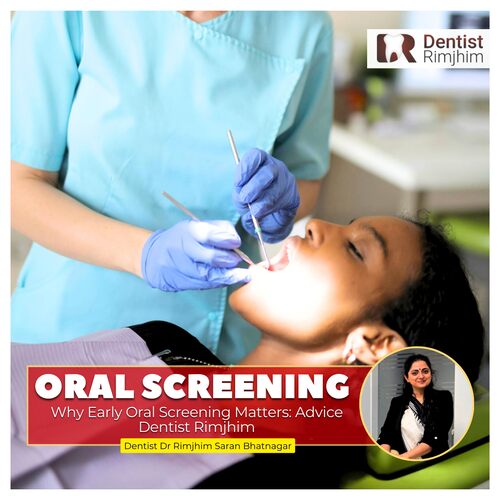
Regular oral screening allows dentists to identify changes in the teeth, gums and soft tissues before they develop into more serious concerns. A comprehensive oral examination can also help identify suspicious changes that may require further evaluation. According to Dr. Rimjhim Bhatnagar, regular oral screening is an important part of preventive dental care and should not be limited to people who already have pain or dental complaints.
“Oral screening is not just about finding cavities; it is about identifying changes early and protecting your oral health before problems become serious.” Says dental surgeon in Delhi Dr Rimjhim Saran Bhatnagar.
Why Does Oral Screening Matter?
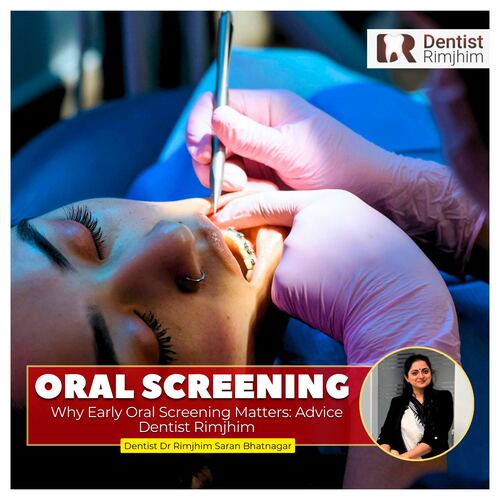
Oral screening is an important part of a routine dental examination because several oral health problems may not cause noticeable symptoms during their early stages. A dentist can visually examine the mouth and assess the teeth, gums, tongue, cheeks, palate and other oral tissues for abnormalities.
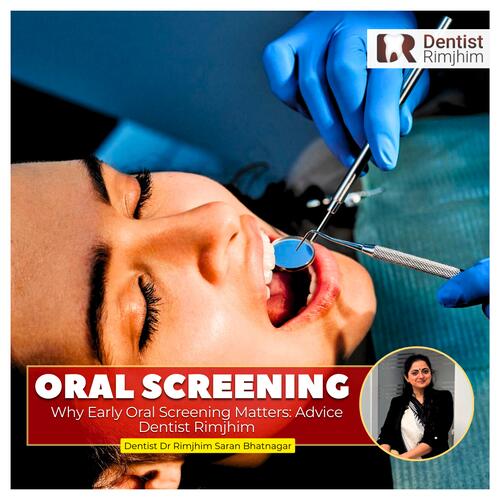
Clinical oral examinations can also play a role in the early detection of potentially serious conditions, including oral cancer and potentially malignant oral disorders. Current American Dental Association guidance emphasises comprehensive extraoral and intraoral clinical examinations for adults as part of early detection.
Early identification does not necessarily mean that every unusual finding is serious. However, noticing a change early gives the dentist an opportunity to monitor it, investigate it further or refer the patient to an appropriate specialist when required.
Detecting Problems Before Pain Appears
Pain is not always the first sign of a dental problem. Cavities, gum disease, infections and changes in oral tissues can sometimes develop without obvious discomfort.
During an oral examination, a dentist can identify signs that may not be noticeable to the patient. This makes regular check-ups particularly valuable for people who believe that they only need to visit a dentist when something hurts.
Preventive examinations can also help dentists track changes over time. Comparing the condition of the teeth and gums during successive visits can make it easier to identify developing problems.
Oral Cancer Awareness and Early Detection
One of the important reasons for a comprehensive oral examination is the opportunity to identify suspicious changes in the mouth. Dentists may examine areas such as the lips, tongue, gums, inner cheeks, floor of the mouth and palate, along with relevant areas of the head and neck.
Changes such as persistent sores, unusual patches, lumps or other abnormalities should receive professional attention, particularly when they do not resolve normally. The American Dental Association supports routine visual and tactile examinations as part of efforts toward early detection of oral and oropharyngeal cancer.
It is important to understand that an oral screening examination does not by itself diagnose cancer. If a suspicious abnormality is identified, further evaluation or a biopsy may be recommended to establish a definitive diagnosis.
The Role of Regular Dental Visits
Regular dental visits provide an opportunity to assess more than just cavities. A comprehensive examination can include evaluation of the teeth, gums, oral tissues and overall condition of the mouth.
The frequency of dental visits may vary depending on a person’s oral health, risk factors, age and previous dental history. People with a history of gum disease, tobacco use or other risk factors may require closer monitoring.
Regular visits also give patients an opportunity to discuss changes such as bleeding gums, persistent mouth ulcers, sensitivity, bad breath, tooth mobility or changes in the appearance of oral tissues.
Oral Screening as Preventive Dental Care
Preventive dentistry focuses on identifying and managing potential problems before they become complicated. Oral screening fits naturally into this approach because early assessment can help reduce delays in diagnosis and treatment.
It also encourages people to become more aware of changes in their own oral health. Patients should inform their dentist about any persistent or unusual changes they have noticed rather than waiting for symptoms to become severe.
Protecting Your Oral and Overall Health
Oral screening is not simply about checking whether you have a cavity. It is a broader assessment that helps dentists monitor the condition of the mouth and identify changes that may require attention.
As Dr. Rimjhim Bhatnagar explains, making oral examinations part of regular healthcare can help patients take a proactive approach to their dental health. Early attention, appropriate treatment and consistent preventive care can help protect the teeth, gums and oral tissues while supporting better long-term oral health.
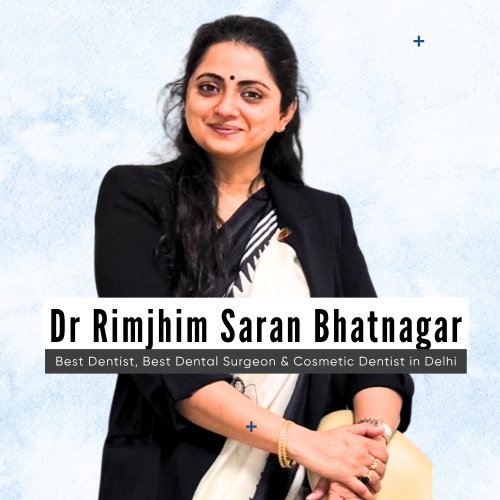
With an illustrious career spanning nearly two decades, Delhi’s best dentist, the leading dentist who specialises in root canal treatment, dental implants, pediatric dentistry, cosmetic dentistry, dental surgeries, and more, Dr Rimjhim Saran Bhatnagar, is a highly skilled and experienced dental specialist committed to providing exceptional patient care. Her expertise encompasses a comprehensive range of advanced dental procedures, from routine oral care to complex restorative and cosmetic treatments.
Dr. Rimjhim holds a Bachelor of Dental Surgery (BDS) and a Master’s Degree in Oral Medicine, Oral Diagnosis, and Oral Radiology. With over 12 years of experience working in some of the leading Delhi government hospitals, she has earned a reputation as one of the best dentists in Delhi, the best dental surgeons in Delhi, and a top cosmetic dentist in Delhi.… Read More