Dry Mouth Symptoms – Hidden Dental & Oral Risks Explains Dentist Rimjhim
Dry mouth is often overlooked as a minor discomfort, but it can signal deeper oral health issues. Many people live with dry mouth symptoms daily without realizing the damage they may be causing to their teeth, gums, and overall oral health. Left untreated, this condition can quietly increase the risk of cavities, infections, and long-term dental problems says Dr Rimjhim Bhatnagar who is a leading dentist in Delhi.
What Is Dry Mouth?
Dry mouth, also known as xerostomia, occurs when the salivary glands fail to produce enough saliva to keep the mouth adequately moist. Saliva is essential for protecting the teeth, supporting digestion, and maintaining a healthy balance of bacteria in the mouth. When saliva levels drop, the mouth becomes dry and more vulnerable to disease opines Dr Rimjhim Bhatnagar who is one of the highly experienced dentists and dental surgeons in Delhi.
Common Dry Mouth Symptoms
Dry mouth symptoms can range from mild to severe and may worsen over time. One of the earliest signs is a constant dry or sticky feeling in the mouth, even after drinking water. Many people experience difficulty chewing, swallowing, or speaking, especially when eating dry foods. A persistent sore throat or hoarseness may also develop.
Changes in taste are another common symptom, along with a burning or tingling sensation on the tongue. Cracked lips, dry corners of the mouth, and thick or stringy saliva often occur as moisture decreases. Bad breath is also frequent, as saliva is no longer able to wash away odor-causing bacteria effectively.
Why Dry Mouth Happens?
Dry mouth can have several underlying causes. Medications are one of the most common triggers, particularly those used to treat allergies, anxiety, depression, high blood pressure, and chronic pain. Certain medical conditions, such as diabetes and autoimmune disorders, can interfere with saliva production.
Lifestyle factors also play a major role. Dehydration, smoking, alcohol consumption, and breathing through the mouth—especially during sleep—can significantly reduce moisture in the oral tissues. Aging itself is not a direct cause, but older adults are more likely to experience dry mouth due to medication use and health conditions.
How Dry Mouth Affects Oral Health?
Without enough saliva, the mouth loses its natural defense system. Acids and bacteria remain on the teeth longer, increasing the risk of tooth decay and enamel erosion. Gum disease becomes more likely as plaque builds up along the gum line. Dry mouth also raises the risk of oral infections, such as fungal infections, and slows the healing of mouth sores.
Over time, untreated dry mouth can lead to chronic discomfort, increased dental costs, and even tooth loss. What begins as a simple dry sensation can evolve into serious oral health problems if ignored.
Dry mouth symptoms should never be ignored, especially when they persist. Recognizing the signs early and understanding their hidden risks can help protect your smile and overall oral health. If dry mouth becomes a regular issue, seeking professional advice is an important step toward prevention and long-term comfort.
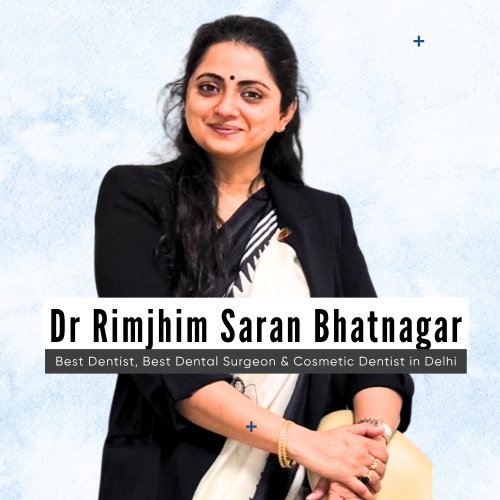
With an illustrious career spanning nearly two decades, Delhi’s best dentist, the leading dentist who specialises in root canal treatment, dental implants, pediatric dentistry, cosmetic dentistry, dental surgeries, and more, Dr Rimjhim Saran Bhatnagar, is a highly skilled and experienced dental specialist committed to providing exceptional patient care. Her expertise encompasses a comprehensive range of advanced dental procedures, from routine oral care to complex restorative and cosmetic treatments.
Dr. Rimjhim holds a Bachelor of Dental Surgery (BDS) and a Master’s Degree in Oral Medicine, Oral Diagnosis, and Oral Radiology. With over 12 years of experience working in some of the leading Delhi government hospitals, she has earned a reputation as one of the best dentists in Delhi, the best dental surgeons in Delhi, and a top cosmetic dentist in Delhi.… Read More