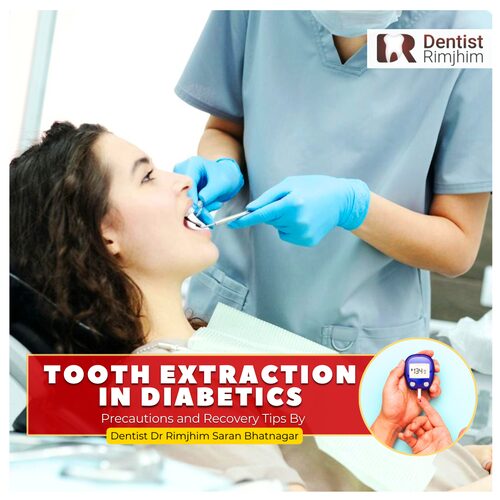
Tooth Extraction in Diabetics: Precautions and Recovery Tip by Dentist Dr Rimjhim
Tooth extraction is a common dental procedure, but when the patient has diabetes, the approach requires additional planning and medical awareness. Diabetes influences blood circulation, immune response, and wound healing capacity. Because of this, even a routine dental extraction can carry a slightly higher risk of infection, delayed healing, or post-operative complications if blood sugar levels are not properly managed.
With the right precautions, however, diabetic patients can undergo tooth extraction safely and recover without difficulty. Understanding the procedure and the necessary care before and after surgery is essential for both patients and caregivers shares Dr Rimjhim Saran Bhatnagar who is an experienced dentist for tooth extraction in Delhi.
What Is Tooth Extraction?
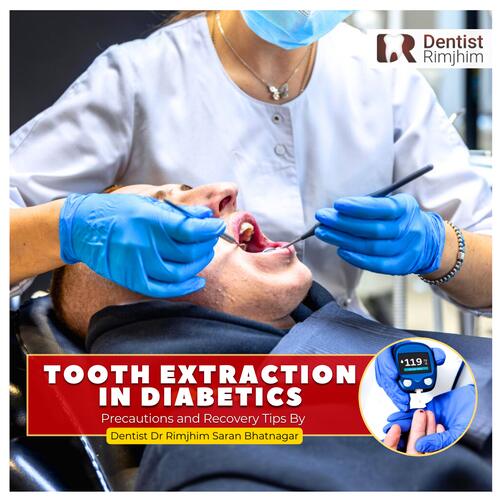
Tooth extraction is the removal of a tooth from its socket in the jawbone. Dentists recommend extraction when a tooth is severely decayed, infected beyond repair, damaged due to trauma, loosened because of advanced gum disease, or impacted, as is often the case with wisdom teeth.
There are two primary types of extraction. A simple extraction is performed when the tooth is visible in the mouth and can be removed using dental instruments under local anesthesia. A surgical extraction is required when the tooth is broken, partially erupted, or trapped under the gum or bone. Surgical procedures may involve a small incision and sometimes removal of surrounding bone to safely extract the tooth.
After removal, a blood clot forms in the empty socket. This clot plays a crucial role in protecting the underlying bone and nerves while the tissue begins to heal. Proper clot formation and stability are key factors in recovery.
Dr. Rimjhim Saran Bhatnagar says, “Tooth extraction in diabetic patients is not about avoiding treatment, but about timing it correctly and managing blood sugar responsibly. When glucose levels are stable and post-operative care is followed sincerely, healing can be smooth and predictable. The key is coordination between the patient, dentist, and physician to ensure safety at every step.” – Dr Rimjhim Saran Bhatnagar who is a highly skilled dental surgeon for tooth extraction in Delhi.
Why Diabetes Requires Special Consideration?
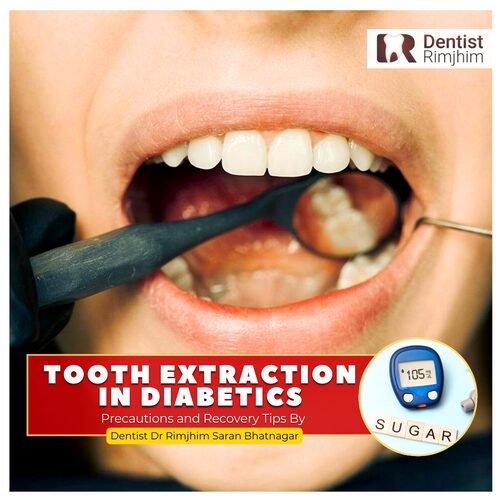
Diabetes affects the body’s ability to regulate blood glucose levels. When glucose levels remain elevated for prolonged periods, several physiological changes occur. Blood vessels may become less efficient, reducing oxygen and nutrient supply to tissues. Immune cells may function less effectively, lowering resistance to infection. In addition, collagen production, which is essential for wound healing, can be impaired.
These changes mean that diabetic patients, especially those with poorly controlled blood sugar, may experience slower healing after tooth extraction. They may also face a higher chance of post-operative infection or complications such as dry socket. However, individuals with well-controlled diabetes often heal similarly to non-diabetic patients. The key factor is metabolic control rather than the diagnosis alone.
 Precautions to take before tooth extraction:
Achieving Stable Blood Sugar Levels
Before planning a tooth extraction, maintaining well-controlled blood glucose levels is the most critical step. Dentists generally recommend proceeding with elective extractions only when fasting or random glucose readings fall within a stable and acceptable range.
Poorly controlled diabetes can significantly delay healing and increase the risk of infection. If blood sugar levels remain consistently elevated, the procedure may be postponed until better metabolic control is achieved in coordination with the patient’s physician.
Providing a Complete Medical History
A thorough medical evaluation is essential prior to extraction. The dentist should be informed about the type of diabetes, duration of the condition, current medications, insulin schedules, and any past episodes of hypoglycemia. It is equally important to disclose diabetes-related complications such as kidney disease, cardiovascular conditions, or neuropathy.
This information enables the dental team to plan anesthesia safely, schedule the procedure appropriately, and determine whether additional precautions or medications are required.
Timing the Appointment Carefully
Morning appointments are often preferred for diabetic patients. Blood sugar levels tend to be more stable earlier in the day, reducing the likelihood of sudden hypoglycemia during the procedure.
Patients are usually advised not to skip meals and to continue their prescribed diabetes medications unless specifically directed otherwise by their healthcare provider. Maintaining a regular routine helps avoid unexpected glucose fluctuations during treatment.
Preventing Infection Risk
Because diabetes can weaken immune response, some patients may require preventive antibiotics, particularly if the extraction is complex or if there are signs of existing infection. The decision to prescribe antibiotics depends on individual risk factors and overall health status. Proper pre-procedure planning helps minimize complications and supports smoother healing.
Recovery after tooth extraction in diabetics:
Monitoring Blood Sugar Closely
The recovery period requires careful attention to glucose control. Surgical stress, reduced appetite, and discomfort can all influence blood sugar levels. Monitoring glucose more frequently during the first few days after extraction allows early detection of abnormal readings and helps maintain stability, which is crucial for proper wound healing.
Protecting the Blood Clot
During the first twenty-four hours, the blood clot that forms in the extraction socket must remain undisturbed. Actions such as vigorous rinsing, forceful spitting, or using a straw can dislodge the clot and delay healing. A soft, lukewarm diet is recommended initially, while very hot, spicy, or hard foods should be avoided. Adequate hydration is important, but beverages should not interfere with clot formation.
Maintaining Gentle Oral Hygiene
Oral cleanliness remains essential, but care must be taken around the surgical site. The rest of the mouth should be brushed normally while avoiding direct trauma to the extraction area. If antiseptic mouth rinses or antibiotics are prescribed, they should be used exactly as directed to reduce infection risk and promote healing.
Managing Pain Effectively
Proper pain control is an important part of recovery. Uncontrolled pain can increase stress hormone levels, which may indirectly affect blood glucose stability. Dentists typically recommend pain relievers that are safe for diabetic patients and compatible with their overall medical profile.
What are the Warning Signs to Watch For?
Signs of Infection or Delayed Healing
Diabetic patients should remain attentive to any unusual symptoms during recovery. Persistent bleeding, increasing pain after the third day, swelling that worsens rather than improves, fever, foul taste, or discharge from the socket may indicate infection.
Additionally, unexplained spikes in blood sugar levels following extraction can sometimes signal underlying inflammation. Prompt consultation with a dentist or physician ensures early treatment and prevents more serious complications.
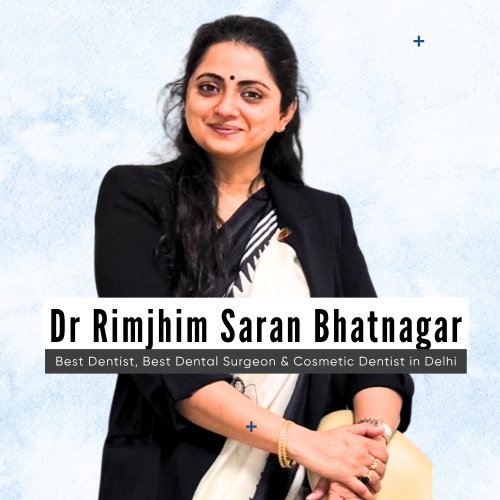
With an illustrious career spanning nearly two decades, Delhi’s best dentist, the leading dentist who specialises in root canal treatment, dental implants, pediatric dentistry, cosmetic dentistry, dental surgeries, and more, Dr Rimjhim Saran Bhatnagar, is a highly skilled and experienced dental specialist committed to providing exceptional patient care. Her expertise encompasses a comprehensive range of advanced dental procedures, from routine oral care to complex restorative and cosmetic treatments.
Dr. Rimjhim holds a Bachelor of Dental Surgery (BDS) and a Master’s Degree in Oral Medicine, Oral Diagnosis, and Oral Radiology. With over 12 years of experience working in some of the leading Delhi government hospitals, she has earned a reputation as one of the best dentists in Delhi, the best dental surgeons in Delhi, and a top cosmetic dentist in Delhi.… Read More