Diet Tips After Tooth Extractions: What to Eat and Foods to Avoid
Summary
- Choose soft, nutritious foods: Opt for yoghurt, eggs, mashed vegetables, soft fish and well-cooked lentils during recovery.
- Avoid disturbing the extraction site: Stay away from hot, hard, crunchy, spicy and acidic foods, and avoid using straws.
- Watch for warning signs: Severe pain, persistent bleeding, fever, pus, significant swelling or worsening symptoms should be evaluated by a dentist.
Tooth extraction is a common dental procedure, but proper aftercare—especially your diet—plays a crucial role in healing. What you eat and avoid after a tooth extraction can significantly affect comfort, recovery and the risk of complications such as infection or dry socket. Choosing the right foods helps protect the extraction site, supports tissue healing and keeps discomfort to a minimum.
This guide explains what tooth extraction is and provides clear, practical diet tips to follow after the procedure, as shared by Dr Rimjhim Saran Bhatnagar, who is an experienced dentist for painless tooth extraction in Delhi.
What Should You Eat and Avoid After a Tooth Extraction?
The first few days after an extraction are particularly important because a blood clot forms at the extraction site and helps protect the underlying bone and nerves. Foods that are soft, cool or lukewarm and easy to eat can help avoid unnecessary pressure or irritation around the area.
At the same time, certain foods and eating habits can disturb the healing site. Following your dentist’s specific instructions is always important because recovery can vary depending on the tooth removed and the complexity of the procedure.
“Choose soft, nutritious foods, stay hydrated and avoid anything that could irritate or disturb the extraction site.” Opines dental surgeon in Delhi for tooth extraction treatment Dr Rimjhim Saran Bhatnagar.
Soft Foods for the Initial Recovery Period
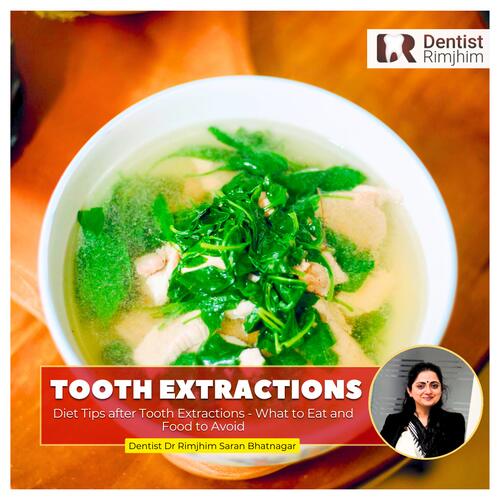
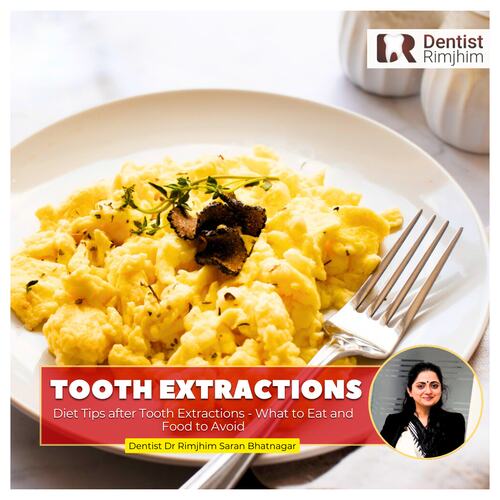
Soft foods that require little or no chewing are generally more comfortable immediately after extraction. Options can include yoghurt, applesauce, mashed vegetables, soft scrambled eggs, smoothies eaten with a spoon and lukewarm soups.
As healing progresses, you can gradually introduce foods with more texture, depending on your comfort and your dentist’s advice.
Protein-Rich Foods for Healing
Protein plays an important role in tissue repair, making nutritious protein sources useful during recovery. Soft options such as eggs, yoghurt, cottage cheese, soft fish and well-cooked lentils can provide protein without requiring excessive chewing.
Maintaining a balanced diet also helps ensure that the body receives the nutrients it needs during the healing process.
Foods and Drinks to Avoid
Very hot foods and drinks should generally be avoided immediately after extraction because heat may increase discomfort and can interfere with the blood clot. Hard, crunchy or sharp foods such as chips, nuts and hard biscuits can also irritate the extraction site.
Spicy and highly acidic foods may cause additional irritation. Sticky foods can be difficult to clean around the area and may also cause discomfort.
Alcohol should be avoided during the initial healing period, particularly if you have been prescribed certain medications. Your dentist can advise you on when it is safe to resume it.
Avoid Using Straws
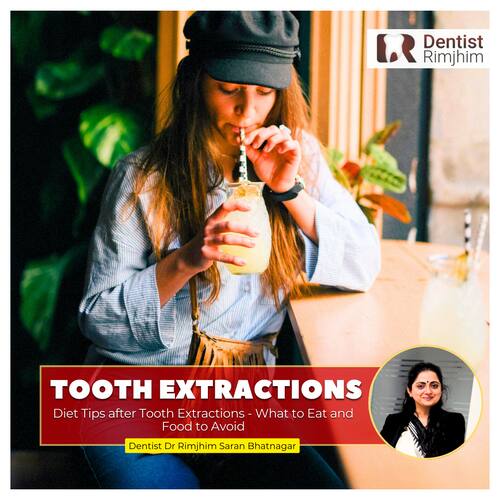
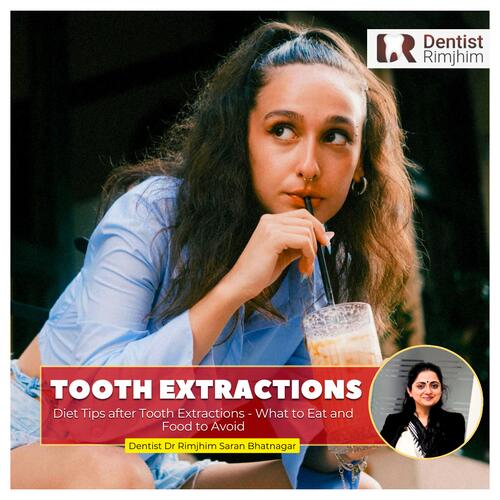
Using a straw creates suction inside the mouth. This pressure can potentially dislodge the blood clot that forms over the extraction site and increase the risk of developing dry socket.
For the same reason, avoid forceful spitting or vigorous rinsing during the early recovery period. Follow your dentist’s instructions regarding when and how to rinse your mouth.
Stay Hydrated
Drinking enough water is important during recovery. Choose plain water or other dentist-approved, non-acidic beverages and drink gently.
Avoid very hot beverages during the initial period and do not use a straw. Staying hydrated can support overall recovery while helping maintain a comfortable mouth.
Gradually Return to Your Normal Diet
As the extraction site heals and discomfort decreases, you can gradually return to your regular diet. However, continue to be cautious with hard, crunchy or chewy foods until the area has healed sufficiently.
Chew on the side opposite the extraction site when possible, particularly during the early stages of recovery.
Signs That Require Dental Attention
Some tenderness and swelling can be normal after an extraction. However, severe or increasing pain, persistent bleeding, significant swelling, fever, pus or an unpleasant taste or smell from the extraction area may require professional evaluation.
If pain becomes significantly worse a few days after extraction, contact your dentist promptly because it may indicate a complication such as dry socket or infection.
Follow Your Dentist’s Aftercare Advice
Diet is an important part of recovery, but it is only one aspect of post-extraction care. Keep the extraction area protected, maintain oral hygiene as instructed and take prescribed medicines according to your dentist’s directions.
Every extraction is different, so personalised instructions from your dentist should take priority over general dietary advice.
Support a Smooth Recovery
The right foods can make the days following tooth extraction more comfortable while helping protect the healing site. Choose soft, nutritious foods, stay hydrated and avoid anything that could irritate or disturb the extraction area.
By following your dentist’s instructions and paying attention to warning signs, you can support a smoother recovery and reduce the risk of unnecessary complications after tooth extraction.
With an illustrious career spanning nearly two decades, Delhi’s best dentist, the leading dentist who specialises in root canal treatment, dental implants, pediatric dentistry, cosmetic dentistry, dental surgeries, and more, Dr Rimjhim Saran Bhatnagar, is a highly skilled and experienced dental specialist committed to providing exceptional patient care. Her expertise encompasses a comprehensive range of advanced dental procedures, from routine oral care to complex restorative and cosmetic treatments.
Dr. Rimjhim holds a Bachelor of Dental Surgery (BDS) and a Master’s Degree in Oral Medicine, Oral Diagnosis, and Oral Radiology. With over 12 years of experience working in some of the leading Delhi government hospitals, she has earned a reputation as one of the best dentists in Delhi, the best dental surgeons in Delhi, and a top cosmetic dentist in Delhi.… Read More