How to Select the Right Toothbrush for Your Dental Needs
Summary
- A toothbrush should match your oral needs, with soft bristles, a properly sized head, and a comfortable grip to clean effectively while protecting enamel and gums.
- Both manual and electric toothbrushes can remove plaque, but electric brushes often provide better consistency, built-in timers, and pressure control, especially for people with limited dexterity.
- Replacing your toothbrush every three to four months and choosing specialized options for sensitive gums, braces, or gum issues helps maintain better long-term oral health.
The article is Medically Reviewed by Dr Rimjhim Saran Bhatnagar, BDS, MDS, Specialized in Root Canal Treatment, Dental Surgery, Paedodontics and Heads the Dentist Rimjhim Multi-Specialty Dental Clinic
Maintaining a healthy smile starts with the most basic tool in your bathroom cabinet: the toothbrush. While it might seem like a simple purchase, the sheer variety of options available today can make the decision surprisingly complex.
Choosing the wrong brush can lead to ineffective cleaning or even physical damage to your gums and enamel. Selecting a toothbrush that aligns with your specific oral anatomy and lifestyle is the first step toward preventing cavities and maintaining long-term dental health says Dr Rimjhim Saran Bhatnagar an experienced dentist in Delhi.
Is a manual or electric toothbrush more effective for plaque removal?
The debate between manual and electric toothbrushes often comes down to personal technique and dexterity. Manual toothbrushes are highly accessible, portable, and effective if you have the discipline to use the correct circular brushing motion for a full two minutes.
They allow you to feel the pressure you are applying directly, which can be beneficial for those with high tactile sensitivity. However, many people tend to brush too hard or for too little time when using a manual tool
Electric toothbrushes, on the other hand, do much of the heavy lifting for you. They utilize oscillating or sonic technology to vibrate at thousands of strokes per minute, which is physically impossible to replicate by hand.
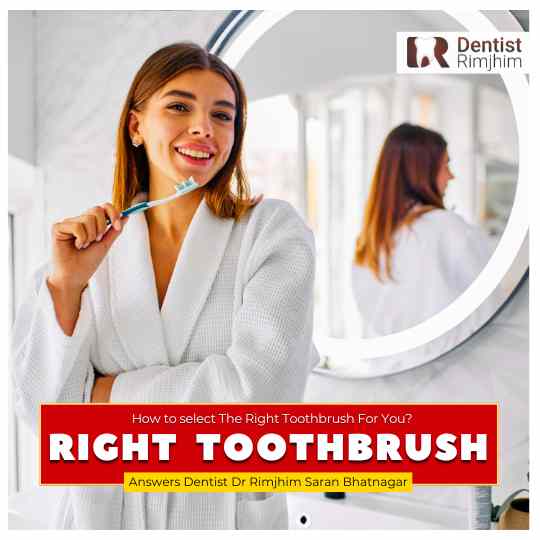
Most modern electric models also come equipped with pressure sensors that alert you if you are pressing too hard and built-in timers to ensure you reach the recommended cleaning duration.
For individuals with limited mobility, arthritis, or those who struggle with consistent brushing technique, the electric option usually provides a more thorough and consistent clean.
Dr Rimjhim Saran Bhatnagar says, “A toothbrush is not just a cleaning tool; it is a precision instrument for your oral health. Selecting the right bristle texture and head size is the difference between simply moving plaque around and actually protecting the structural integrity of your enamel and gums.”
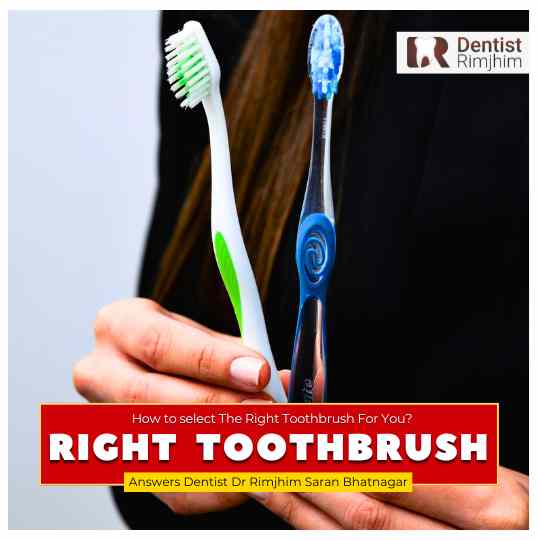
Understanding the importance of bristle firmness and texture
One of the most common mistakes consumers make is choosing a “firm” or “hard” bristle brush under the impression that it will “scrub” the teeth cleaner. Dental professionals almost universally recommend soft-bristled brushes.
Hard bristles can be abrasive, gradually wearing down the protective tooth enamel and pushing back the gum line, leading to tooth sensitivity and root exposure. Soft bristles are flexible enough to reach into the tiny gaps between teeth and slightly under the gumline without causing tissue trauma.
Evaluating head size and handle ergonomics
The physical shape of the toothbrush determines how easily you can reach the difficult areas of your mouth, such as the back of your second and third molars. A brush with a small or tapered head is generally superior because it allows for better maneuverability in tight spaces.
If the brush head is too large, it may skip over the curved surfaces of your back teeth, leaving plaque behind. Similarly, the handle should feel comfortable and secure in your hand. Look for ergonomic grips or non-slip rubber padding that allows you to maintain control even when the handle gets wet during use.
Replacing your brush to maintain hygiene and efficiency [
No matter how high-quality your toothbrush is, it has a limited lifespan. Over time, bristles become frayed, splayed, and lose their ability to effectively sweep away debris. Most dentists suggest replacing your toothbrush or electric brush head every three to four months.
A worn-out brush is significantly less effective at cleaning and can actually harbor bacteria. Additionally, it is a good practice to replace your brush immediately after recovering from a cold or flu to prevent the possibility of reinfection from lingering germs on the bristles.
Choosing specialized features for sensitive gums or braces
For those with specific dental conditions, a standard toothbrush may not be enough. If you suffer from gingivitis or sensitive teeth, you might look for brushes labeled “extra-soft” or those with ultra-fine microfiber bristles designed to be exceptionally gentle.
If you are undergoing orthodontic treatment with traditional braces, specialized orthodontic brushes with a “V” shape cut into the bristles can help clean around brackets and wires more effectively. Matching the features of your brush to your current dental status ensures that your cleaning routine remains both comfortable and comprehensive.
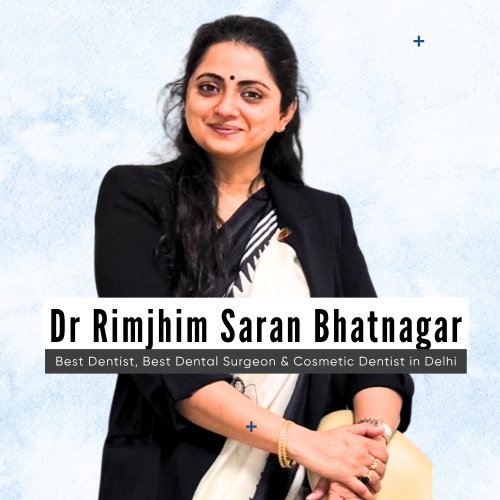
With an illustrious career spanning nearly two decades, Delhi’s best dentist, the leading dentist who specialises in root canal treatment, dental implants, pediatric dentistry, cosmetic dentistry, dental surgeries, and more, Dr Rimjhim Saran Bhatnagar, is a highly skilled and experienced dental specialist committed to providing exceptional patient care. Her expertise encompasses a comprehensive range of advanced dental procedures, from routine oral care to complex restorative and cosmetic treatments.
Dr. Rimjhim holds a Bachelor of Dental Surgery (BDS) and a Master’s Degree in Oral Medicine, Oral Diagnosis, and Oral Radiology. With over 12 years of experience working in some of the leading Delhi government hospitals, she has earned a reputation as one of the best dentists in Delhi, the best dental surgeons in Delhi, and a top cosmetic dentist in Delhi.… Read More