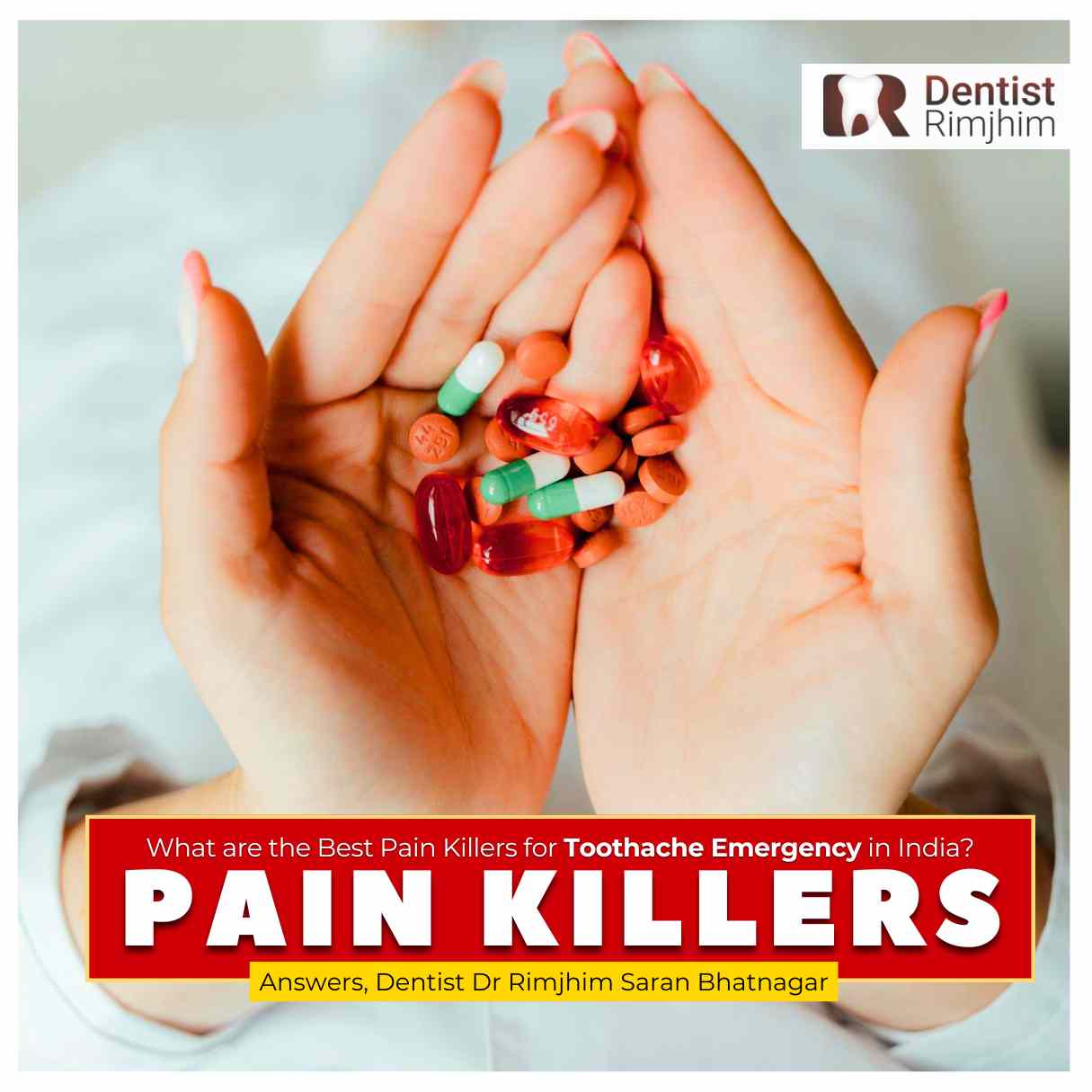
What are the Best Pain Killers for Toothache Emergency in India?
Summary
- Paracetamol and NSAIDs such as ibuprofen may provide temporary relief for many adults.
- Painkillers cannot treat the underlying dental problem.
- Severe pain, swelling, fever or breathing and swallowing difficulties require prompt professional attention.
A sudden toothache can be one of the most uncomfortable and distracting pains, often striking without warning and making even simple tasks like eating or sleeping difficult. In India, where access to over-the-counter medicines is relatively easy, many people look for quick relief before they can visit a dentist.
While painkillers can help manage symptoms temporarily, it is important to understand which options are commonly used, how they work, and their limitations in treating the underlying cause, shares Dr Rimjhim Saran Bhatnagar, one of the experienced dentists in Delhi.
Which Painkillers Can Help With Toothache?
For most adults, commonly used over-the-counter pain relievers include paracetamol (acetaminophen) and non-steroidal anti-inflammatory drugs (NSAIDs) such as ibuprofen. NSAIDs can be particularly useful when inflammation is contributing to dental pain, while paracetamol can help reduce pain without having the same anti-inflammatory effect.
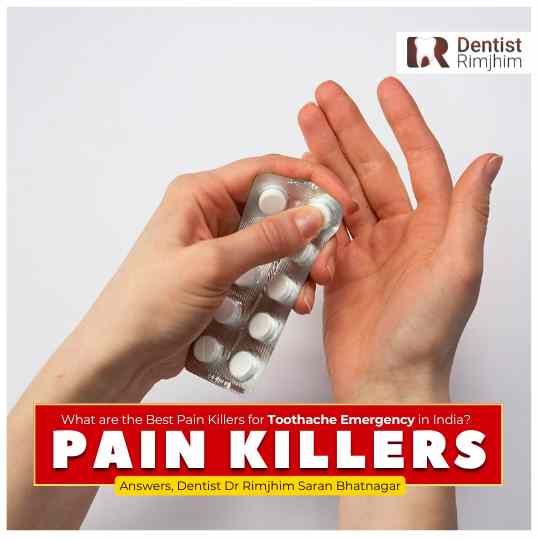
The safest choice depends on your age, medical history, other medicines you take and the cause of the toothache. It is important to follow the dosage instructions on the medicine label or advice given by a healthcare professional.
“A painkiller may provide temporary relief, but treating the cause of toothache is what protects your tooth and your overall oral health.” Says Dr Rimjhim Saran Bhatnagar, Dentist in Delhi.
Paracetamol for Temporary Pain Relief
Paracetamol is commonly used to relieve mild to moderate pain. It may be an option for people who cannot take certain NSAIDs.
However, taking more than the recommended dose can cause serious liver damage. People who have liver disease or regularly consume significant amounts of alcohol should seek medical advice before using it.
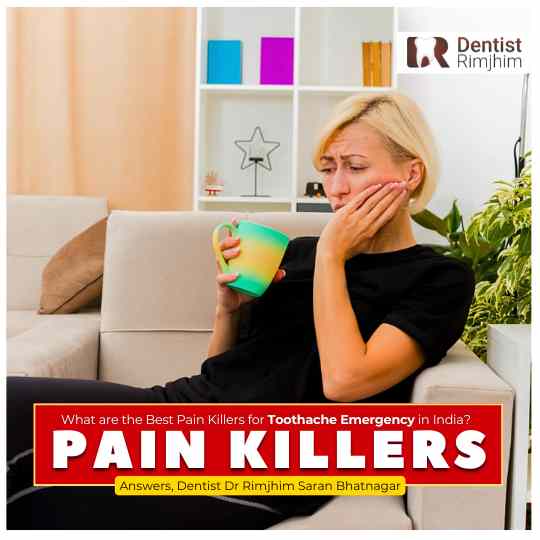
Paracetamol for Temporary Relief
Paracetamol is commonly used for mild to moderate pain and may be an option for people who cannot take certain anti-inflammatory medicines.
It is important not to exceed the recommended dose. Taking too much paracetamol can cause serious liver damage. People with liver disease or those who regularly consume significant amounts of alcohol should seek medical advice before using it.
Ibuprofen and Other Anti-Inflammatory Medicines
Ibuprofen is an NSAID that can help reduce both pain and inflammation. This can make it useful for certain types of dental pain, particularly when inflammation is involved.
However, NSAIDs are not appropriate for everyone. People with a history of stomach ulcers, certain kidney or heart conditions, allergies to NSAIDs, or those taking particular medicines may need to avoid them or use them only under medical guidance.
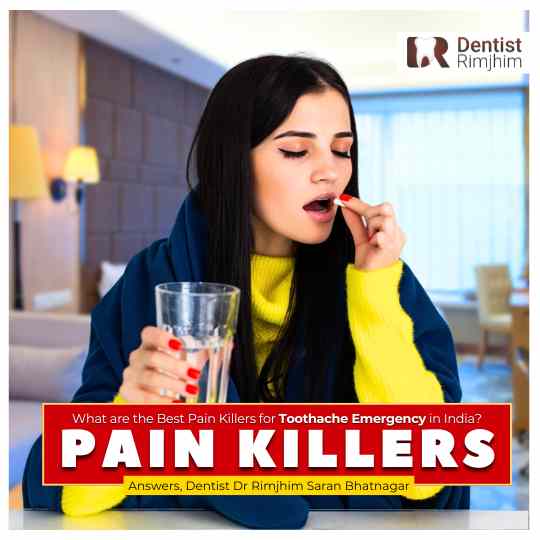
Combining Painkillers
In some situations, adults may be advised to take paracetamol and ibuprofen because they work differently. However, combining medicines should be done carefully and within recommended doses.
It is also important to check the ingredients in combination cold, flu or pain medicines. Accidentally taking multiple products containing the same active ingredient can result in an overdose.
Painkillers Do Not Treat the Cause
Pain relief is temporary. A painkiller cannot remove tooth decay, repair a cracked tooth, treat an infected nerve or eliminate a dental abscess.
If the underlying problem remains untreated, the pain can return and the condition may become more complicated. Depending on the diagnosis, treatment could involve a filling, root canal treatment, gum treatment or extraction.
Antibiotics Are Not a Substitute for Dental Treatment
A common misconception is that every toothache requires antibiotics. In reality, antibiotics are not routinely needed for uncomplicated dental pain.
They may be prescribed when there is evidence of a spreading bacterial infection or systemic involvement, but this decision should be made by a qualified healthcare professional. Taking leftover antibiotics or using them without proper advice can cause side effects and contribute to antibiotic resistance.
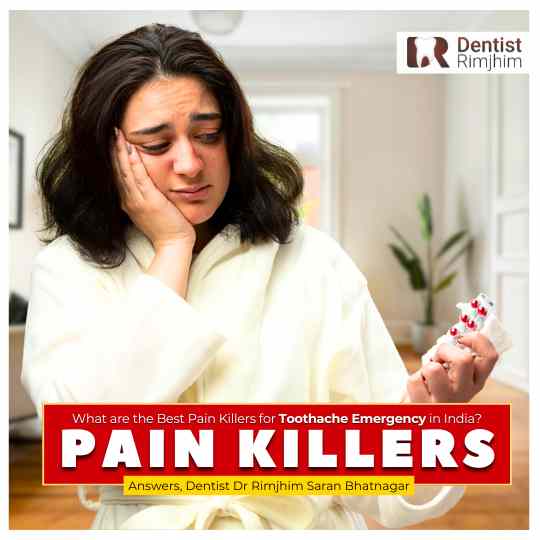
Avoid Harmful Home Remedies
Some people place aspirin or other medicines directly on a painful tooth or gum in an attempt to obtain faster relief. This can damage or irritate the soft tissues of the mouth and should be avoided.
Similarly, extremely hot or cold substances may aggravate dental sensitivity. Until you can see a dentist, gentle oral hygiene and avoiding foods that trigger the pain may be more appropriate.
When Toothache Needs Urgent Attention?
Severe or rapidly worsening tooth pain should not simply be masked with painkillers. Facial or jaw swelling, fever, pus, a bad taste associated with swelling, or significant difficulty opening the mouth can indicate an infection requiring prompt dental care.
Difficulty breathing or swallowing, especially when accompanied by significant swelling, requires immediate medical attention.
Do Not Let Temporary Relief Delay Your Dentist Visit
Taking a painkiller may help you get through the night or manage discomfort while arranging an appointment, but repeated reliance on pain medication is not a solution.
Toothache can have several causes, including cavities, cracked teeth, gum disease, damaged fillings or infection. Only a dental examination can determine what is actually happening and what treatment is needed.
For patients experiencing recurring or severe dental pain, consulting an experienced dentist such as Dr Rimjhim Saran Bhatnagar can help identify the cause and prevent the problem from progressing.
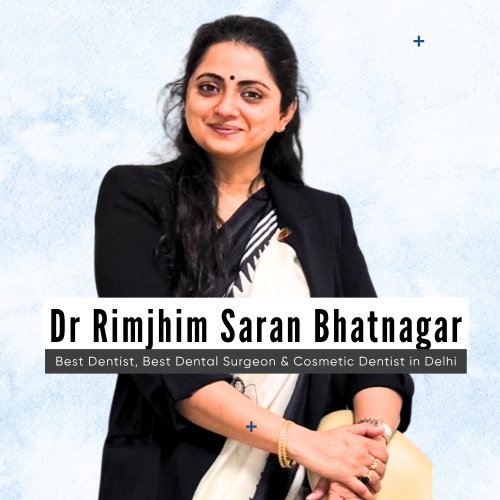
With an illustrious career spanning nearly two decades, Delhi’s best dentist, the leading dentist who specialises in root canal treatment, dental implants, pediatric dentistry, cosmetic dentistry, dental surgeries, and more, Dr Rimjhim Saran Bhatnagar, is a highly skilled and experienced dental specialist committed to providing exceptional patient care. Her expertise encompasses a comprehensive range of advanced dental procedures, from routine oral care to complex restorative and cosmetic treatments.
Dr. Rimjhim holds a Bachelor of Dental Surgery (BDS) and a Master’s Degree in Oral Medicine, Oral Diagnosis, and Oral Radiology. With over 12 years of experience working in some of the leading Delhi government hospitals, she has earned a reputation as one of the best dentists in Delhi, the best dental surgeons in Delhi, and a top cosmetic dentist in Delhi.… Read More