Tooth Extraction Recovery Tips for Faster Healing
Summary
- Protect the blood clot at the extraction site to support proper healing.
- Choose soft foods, maintain gentle oral hygiene and avoid smoking.
- Increasing pain, swelling, bleeding or fever should be checked by a dentist.
Tooth extraction is a common dental procedure, but proper aftercare plays a crucial role in how quickly and comfortably you heal. Whether the extraction was done due to decay, infection, crowding, or wisdom tooth problems, following the right recovery steps can significantly reduce pain, swelling, and the risk of complications.
This guide explains what tooth extraction is and shares practical, dentist-recommended tips to help you heal faster and safely, shares Dr. Rimjhim Saran Bhatnagar, who is Delhi’s top dentist for painless tooth extraction.
What Happens After a Tooth Is Extracted?
After a tooth is removed, a blood clot naturally forms in the extraction socket. This clot is an important part of the healing process because it protects the underlying bone and tissues while the area begins to recover.
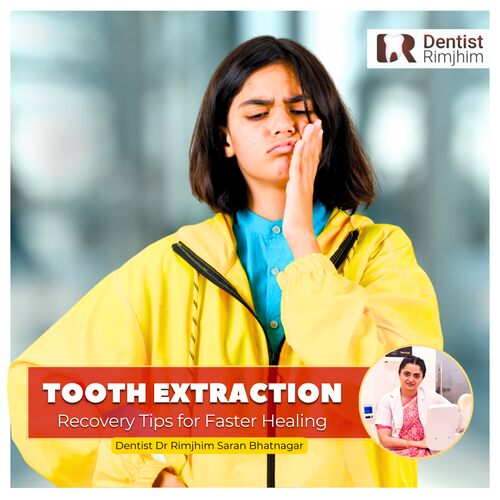
Protecting this clot during the first few days is therefore essential. Disturbing it can delay healing and increase the risk of a painful condition known as dry socket.
“A smooth recovery after tooth extraction depends as much on proper aftercare as it does on the procedure itself. Protecting the extraction site gives your mouth the best chance to heal well.” Says Dr Rimjhim Saran Bhatnagar, dentist for tooth extraction in Delhi.
Protect the Extraction Site
Avoid touching the extraction area with your fingers or repeatedly checking it with your tongue. Your dentist may place gauze over the site after the procedure. Bite down on it as instructed to help control bleeding.
A small amount of blood or oozing during the first several hours can be normal. If bleeding remains heavy or does not settle despite following your dentist’s instructions, contact the dental clinic for advice.
Choose Soft and Comfortable Foods
For the first few days, choose soft foods that require minimal chewing. Foods such as yoghurt, mashed vegetables, soft rice, eggs, soups that are not hot and other easy-to-eat options can be more comfortable.
Avoid very hot foods and drinks immediately after extraction, as well as hard, crunchy or sticky foods that can irritate the extraction site. Try to chew on the opposite side of the mouth while the area heals.
Avoid Smoking and Strenuous Activity
Smoking can interfere with healing and increase the risk of complications following an extraction. It is best to avoid smoking during the healing period and follow your dentist’s specific instructions.
Strenuous exercise should also be avoided immediately after the procedure, particularly during the first day, as increased blood pressure may contribute to bleeding. Gradually return to normal activities as your dentist advises.
Maintain Good Oral Hygiene
Keeping your mouth clean remains important after an extraction, but the extraction site needs to be treated gently. Continue brushing your other teeth while avoiding direct irritation of the socket.
Your dentist may recommend gentle rinsing with salt water after the initial healing period. Do not rinse forcefully or spit aggressively, as this can disturb the blood clot.
Managing Pain and Swelling
Some discomfort and swelling are expected after an extraction, particularly when a surgical extraction has been performed. Your dentist may recommend appropriate pain medication based on your individual needs.
Applying a cold pack externally to the cheek for short intervals during the first day may also help reduce swelling. Always follow the medication and aftercare instructions provided by your dentist.
Warning Signs That Need Dental Attention
Recovery varies from person to person, but certain symptoms should not be ignored. Increasing rather than improving pain, significant swelling, persistent bleeding, fever, pus or an unpleasant taste or odour from the extraction site may require professional evaluation.
Severe pain that develops or worsens a few days after extraction can sometimes be associated with dry socket. Prompt dental assessment can help identify the cause and provide appropriate treatment.
Give Your Mouth Time to Heal
Healing after tooth extraction is a gradual process, and rushing back to normal habits can interfere with recovery. Following your dentist’s instructions, protecting the extraction site, eating appropriate foods, maintaining gentle oral hygiene and avoiding smoking can support a smoother recovery.
With proper aftercare and timely professional attention when something feels unusual, most people recover well after tooth extraction. The key is to give the extraction site the protection and time it needs to heal properly.
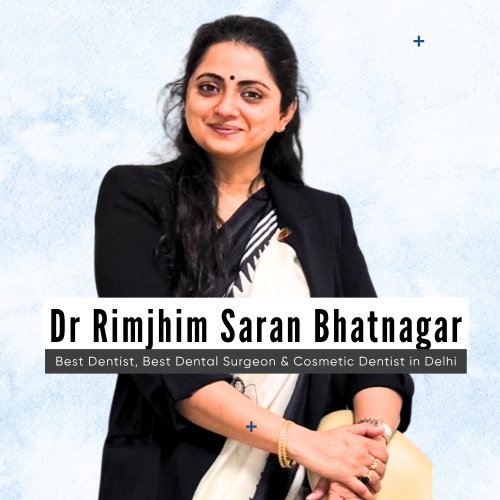
With an illustrious career spanning nearly two decades, Delhi’s best dentist, the leading dentist who specialises in root canal treatment, dental implants, pediatric dentistry, cosmetic dentistry, dental surgeries, and more, Dr Rimjhim Saran Bhatnagar, is a highly skilled and experienced dental specialist committed to providing exceptional patient care. Her expertise encompasses a comprehensive range of advanced dental procedures, from routine oral care to complex restorative and cosmetic treatments.
Dr. Rimjhim holds a Bachelor of Dental Surgery (BDS) and a Master’s Degree in Oral Medicine, Oral Diagnosis, and Oral Radiology. With over 12 years of experience working in some of the leading Delhi government hospitals, she has earned a reputation as one of the best dentists in Delhi, the best dental surgeons in Delhi, and a top cosmetic dentist in Delhi.… Read More