Baby Teeth Matter: Why You Shouldn’t Ignore Cavities in Milk Teeth
Summary
- Baby teeth are important for eating, speech, and jaw development.
- Untreated cavities can cause pain, infection, and early tooth loss.
- Regular brushing and dental check-ups help protect milk teeth.
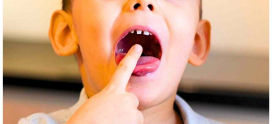
Many parents mistakenly believe that baby teeth, also known as milk teeth, don’t need much attention since they eventually fall out. However, these small teeth play a big role in a child’s health and development. Ignoring cavities in baby teeth can lead to pain, infections, and even long-term dental and health problems.
Caring for milk teeth from the very beginning sets the foundation for healthy permanent teeth and a bright, confident smile, explains Dr. Rimjhim Bhatnagar, one of the leading dentists for children in Delhi.
Why Should Parents Take Cavities in Baby Teeth Seriously?
Although baby teeth are temporary, they serve important functions until permanent teeth are ready to emerge. Cavities can cause sensitivity and pain, making it difficult for children to eat, sleep, speak, or concentrate. If decay is left untreated, it can progress deeper into the tooth and potentially cause an infection.
Treating cavities early can help prevent unnecessary pain and more complicated dental procedures later.
“Baby teeth may be temporary, but their role in a child’s healthy development is permanent.” — Dr Rimjhim Bhatnagar, one of the most experienced dentist for kids in Delhi.
Baby Teeth Support Proper Eating and Speech
Children use their primary teeth to bite and chew food properly. Healthy teeth also contribute to the development of clear speech by helping children form certain sounds correctly.
When a child has painful or severely damaged teeth, they may avoid chewing on one side or develop difficulty eating certain foods. This can affect their overall eating habits during an important stage of growth.
Milk Teeth Help Guide Permanent Teeth
Baby teeth act as natural placeholders for permanent teeth. They help maintain the space required for adult teeth to erupt in the correct position.
When a severely decayed baby tooth has to be removed earlier than expected, the surrounding teeth can shift into the empty space. In some cases, this may contribute to crowding or alignment problems when permanent teeth eventually emerge.
Untreated Cavities Can Lead to Dental Infections
A cavity that begins on the outer surface of a baby tooth can gradually progress deeper if it is not treated. Once decay reaches the inner part of the tooth, the child may experience significant pain or develop an infection.
Swelling around the tooth, gum tenderness, fever, or facial swelling can be signs that the problem needs prompt professional attention. Parents should not wait for a baby tooth to fall out naturally if it is causing these symptoms.
Early Dental Care Builds Better Habits
Regular dental visits help dentists identify early signs of decay before they become painful. They also allow children to become familiar with dental care from a young age, reducing fear and anxiety around dental visits.
Parents can support good oral health by helping young children brush twice a day with an age-appropriate amount of fluoride toothpaste and encouraging them to develop consistent brushing habits.
Reducing the Risk of Cavities in Children
Limiting frequent sugary snacks and drinks can reduce the risk of tooth decay. Parents should also avoid allowing children to continuously sip sweetened beverages throughout the day, as repeated exposure to sugar can increase the risk of cavities.
A balanced diet, regular brushing, appropriate flossing when teeth touch each other, and routine dental check-ups can go a long way toward protecting baby teeth.
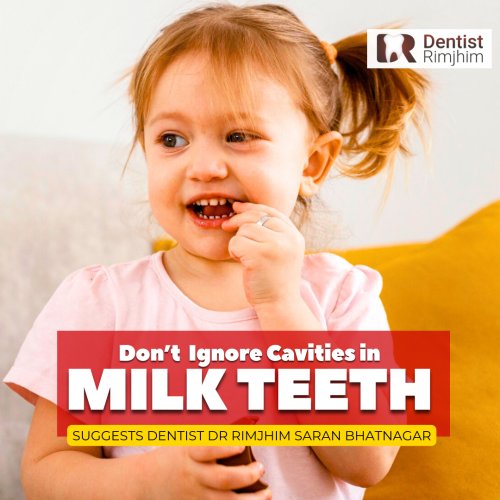
Healthy Baby Teeth Support a Healthy Smile
Baby teeth may be temporary, but they are far from unimportant. Protecting them helps children eat comfortably, develop clear speech, maintain space for permanent teeth, and establish healthy oral-care habits.
Parents should therefore treat cavities in milk teeth as a genuine dental concern rather than assuming the problem will disappear when the tooth eventually falls out. Early evaluation and appropriate treatment can help protect a child’s oral health during these important developmental years.
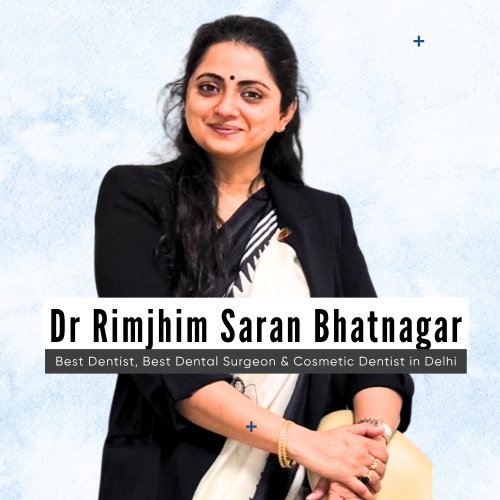
With an illustrious career spanning nearly two decades, Delhi’s best dentist, the leading dentist who specialises in root canal treatment, dental implants, pediatric dentistry, cosmetic dentistry, dental surgeries, and more, Dr Rimjhim Saran Bhatnagar, is a highly skilled and experienced dental specialist committed to providing exceptional patient care. Her expertise encompasses a comprehensive range of advanced dental procedures, from routine oral care to complex restorative and cosmetic treatments.
Dr. Rimjhim holds a Bachelor of Dental Surgery (BDS) and a Master’s Degree in Oral Medicine, Oral Diagnosis, and Oral Radiology. With over 12 years of experience working in some of the leading Delhi government hospitals, she has earned a reputation as one of the best dentists in Delhi, the best dental surgeons in Delhi, and a top cosmetic dentist in Delhi.… Read More