Tooth Extraction vs Root Canal Treatment: Which Option Is Best for Your Teeth?
Summary
- Root canal treatment aims to preserve the natural tooth.
- Extraction may be needed when a tooth cannot be restored.
- The right choice depends on the individual tooth condition.
When dealing with severe tooth pain or infection, your dentist may present you with two main treatment options: tooth extraction or root canal treatment. Both procedures aim to relieve pain and eliminate infection, but they differ in terms of approach, recovery, and long-term impact on your oral health. Understanding each can help you make an informed decision, says Dr Rimjhim Saran Bhatnagar, the leading dentist for root canal treatment and one of the best dental surgeons for endodontic treatment in this blog.
Which Is Better: Tooth Extraction or Root Canal Treatment?
The answer depends on the condition of the affected tooth, the extent of infection or damage, and whether the tooth can be successfully restored. While extraction removes the affected tooth completely, root canal treatment aims to eliminate infection while preserving the natural tooth. A dentist can assess the tooth and recommend the most appropriate option based on its condition.
Dr Rimjhim Saran Bhatnagar a root canal treatment expert in Delhi says that “When a natural tooth can be safely saved, preserving it can be an important part of protecting your long-term oral health.”
Preserving the Natural Tooth
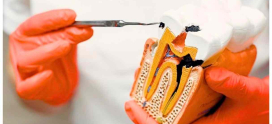
One of the main advantages of root canal treatment is that it allows the natural tooth to remain in place. During the procedure, infected or damaged tissue inside the tooth is removed, the area is cleaned, and the tooth is sealed.
Keeping the natural tooth can help maintain normal chewing function and avoid the immediate need to replace the extracted tooth.
When Extraction May Be Necessary
Extraction may be recommended when a tooth is severely damaged or infected and cannot be predictably restored. Extensive decay, significant structural damage, or other dental complications may make saving the tooth difficult or impossible.
Removing the affected tooth eliminates the source of infection, but the missing tooth may eventually need to be replaced depending on its location and the patient’s dental needs.
Root Canal Treatment and Recovery
Root canal treatment is performed to remove infection from inside the tooth and preserve its structure. Once the infected tissue has been removed and the tooth has been cleaned and sealed, further restoration may be required to protect it.
The recovery experience varies depending on the condition of the tooth and the extent of treatment. Some tenderness may occur temporarily after the procedure.
Extraction and Replacement
Although extraction can remove a problematic tooth, it creates a space in the mouth. Depending on the tooth involved, leaving that space untreated may affect chewing or allow neighbouring teeth to shift over time.
A dentist may therefore discuss replacement options such as a dental implant, bridge, or other suitable restoration after extraction.
Long-Term Oral Health
Whenever possible, preserving a natural tooth can be beneficial because it maintains the tooth’s position within the mouth. Root canal treatment can provide a way to retain a tooth that would otherwise require extraction.
However, a tooth that cannot be restored should not be preserved at the expense of overall oral health. In such cases, extraction followed by appropriate replacement may be the more suitable approach.
The Importance of Proper Diagnosis
Severe tooth pain does not automatically mean that extraction is necessary. Similarly, not every infected tooth can be successfully treated with a root canal.
A dentist may examine the tooth and use dental X-rays or other diagnostic methods to understand the extent of infection, decay, and structural damage. This assessment helps determine whether the tooth is suitable for root canal treatment or whether extraction is necessary.
Factors That Influence the Decision
Several factors can influence the recommended treatment, including the amount of healthy tooth structure remaining, the location of the tooth, the extent of infection, the condition of the surrounding tissues, and the patient’s overall oral health.
The dentist may also consider whether the tooth can be properly restored after treatment. These factors make an individual dental assessment more important than choosing a procedure based solely on cost or fear of treatment.
Making the Right Choice for Your Teeth
Neither tooth extraction nor root canal treatment is automatically the better option for every patient. If a damaged or infected tooth can be predictably restored, root canal treatment may offer an opportunity to preserve the natural tooth. If the tooth is too damaged to restore, extraction may be necessary to protect surrounding oral health.
Discussing the available options with an experienced dentist can help you understand the benefits, limitations, recovery, and long-term implications of each treatment before making a decision.

With an illustrious career spanning nearly two decades, Delhi’s best dentist, the leading dentist who specialises in root canal treatment, dental implants, pediatric dentistry, cosmetic dentistry, dental surgeries, and more, Dr Rimjhim Saran Bhatnagar, is a highly skilled and experienced dental specialist committed to providing exceptional patient care. Her expertise encompasses a comprehensive range of advanced dental procedures, from routine oral care to complex restorative and cosmetic treatments.
Dr. Rimjhim holds a Bachelor of Dental Surgery (BDS) and a Master’s Degree in Oral Medicine, Oral Diagnosis, and Oral Radiology. With over 12 years of experience working in some of the leading Delhi government hospitals, she has earned a reputation as one of the best dentists in Delhi, the best dental surgeons in Delhi, and a top cosmetic dentist in Delhi.… Read More