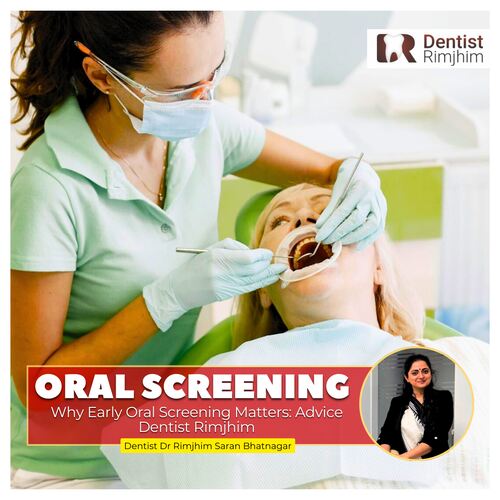
Oral health is often treated as separate from overall health, yet the mouth is one of the clearest mirrors of what’s happening inside the body. Many serious dental and medical conditions begin silently, without pain or visible symptoms. By the time discomfort appears, the problem may already be advanced, says one of the leading dental surgeons in Delhi, Dr Rimjhim Saran Bhatnagar.
What Is Oral Screening?
Oral screening is a preventive dental examination designed to detect early signs of dental diseases, oral infections, gum problems, and even oral cancer. It is a quick, non-invasive process where a dentist carefully examines the teeth, gums, tongue, cheeks, jaw, and surrounding tissues for any abnormal changes.
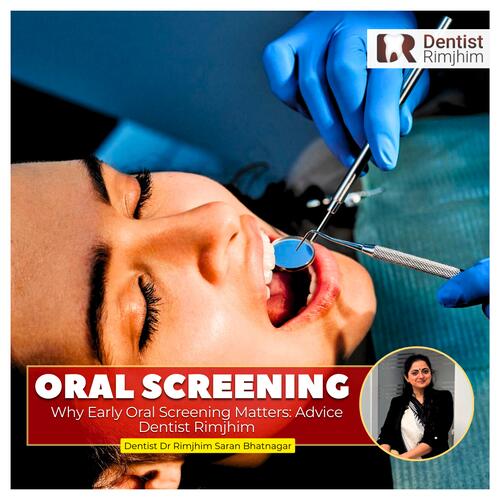
During oral screening, dentists look for cavities, plaque buildup, gum inflammation, ulcers, suspicious lesions, and early tissue changes that may not yet cause pain. In some cases, additional tools like X-rays, oral cancer screening lights, or diagnostic tests may be used for a deeper evaluation.
The goal of oral screening is early detection. Catching problems early makes treatment easier, less expensive, and more successful. It also helps prevent minor dental concerns from turning into major health issues.
Why Oral Screening Is So Important?
One of the biggest advantages of oral screening is early diagnosis of dental problems. Cavities often start small and painless. Without screening, they can progress into deep infections requiring root canals or extractions. Similarly, gum disease begins with mild inflammation but can lead to tooth loss if ignored.
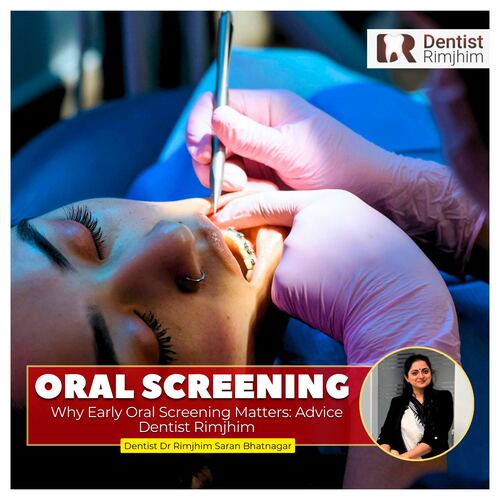
Oral screening also plays a vital role in detecting oral cancer early. Oral cancer can develop on the tongue, cheeks, gums, or throat. When detected early, survival rates and treatment outcomes improve significantly. Unfortunately, many people ignore early warning signs because they are painless or mistaken for minor ulcers.
Another key benefit is the connection between oral health and overall health. Conditions like diabetes, heart disease, and vitamin deficiencies often show early signs inside the mouth. Dentists can sometimes identify these warning signs during routine screening and recommend medical consultation if needed.
Oral screening is also important for maintaining long-term dental aesthetics. Issues like enamel erosion, teeth grinding damage, or early gum recession can be identified early and managed before they affect appearance or function.
Who Should Get Oral Screening?
Oral screening is recommended for people of all ages. Children benefit from early detection of cavities and jaw development issues. Teenagers often need monitoring for orthodontic concerns and wisdom tooth growth.
Adults need regular screenings to monitor gum health, detect cavities early, and prevent tooth wear. People above 40 should be particularly regular with screenings because the risk of gum disease, oral cancer, and bone loss increases with age.
Certain individuals need more frequent oral screening. Tobacco users, alcohol consumers, people with diabetes, individuals with a history of oral infections, and those with family history of oral cancer fall into higher-risk categories.
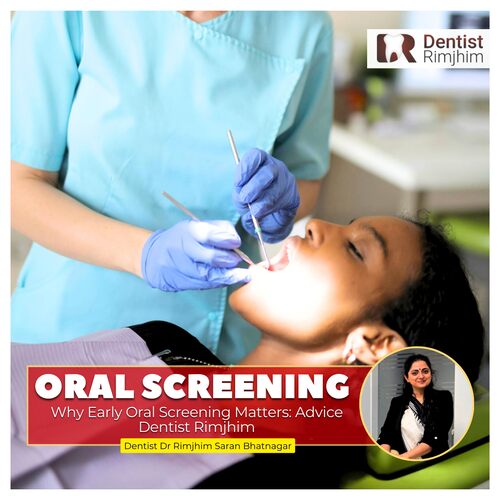
Signs That Mean You Should Not Delay Oral Screening
Persistent mouth ulcers lasting more than two weeks, bleeding gums, chronic bad breath, loose teeth, white or red patches inside the mouth, difficulty swallowing, or jaw pain should never be ignored. These symptoms may not always mean serious disease, but they require professional evaluation.
Even without symptoms, routine screening every six months is generally recommended. Preventive visits are always easier and less stressful than emergency treatments.
Oral screening is not just about teeth cleaning or cavity checking. It is a comprehensive health check for the mouth and often provides clues about overall health status. Regular screenings help maintain healthy teeth, strong gums, fresh breath, and early disease detection.
Prioritizing oral screening is one of the simplest yet most powerful steps toward long-term health. Early detection, preventive care, and timely treatment together ensure better oral health, lower treatment costs, and improved overall well-being.