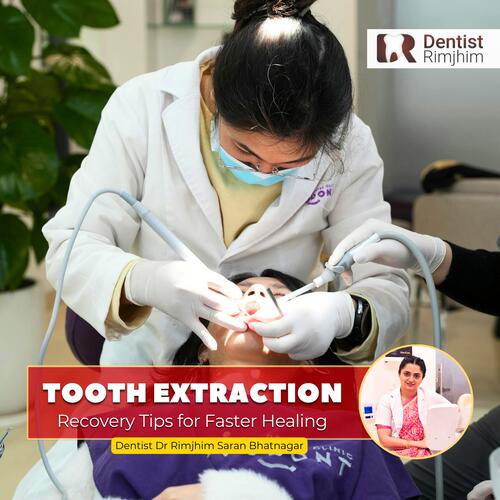
Tooth extraction is a common dental procedure, but proper aftercare plays a crucial role in how quickly and comfortably you heal. Whether the extraction was done due to decay, infection, crowding, or wisdom tooth problems, following the right recovery steps can significantly reduce pain, swelling, and the risk of complications.
This guide explains what tooth extraction is and shares practical, dentist-recommended tips to help you heal faster and safely, shares Dr Rimjhim Saran Bhatnagar, known for painless tooth extraction procedures in Delhi.
What Is Tooth Extraction?
Tooth extraction is the removal of a tooth from its socket in the jawbone. Dentists usually recommend extraction when a tooth is severely damaged and cannot be repaired with fillings, crowns, or root canal treatment. It is also performed in cases of advanced gum disease, severe infection, overcrowding before orthodontic treatment, or impacted wisdom teeth that cause pain or swelling.
There are two main types of tooth extraction. Simple extraction is performed on visible teeth using dental instruments under local anesthesia. Surgical extraction is a slightly more complex procedure, often required for impacted teeth or teeth broken at the gum line. This may involve a small incision in the gum and sometimes removal of surrounding bone.
Although the procedure itself is usually quick and done under anesthesia, recovery depends largely on how well post-extraction care instructions are followed. The body naturally forms a blood clot at the extraction site, which is essential for proper healing. If this clot is disturbed, it can lead to complications such as dry socket, which can be painful and delay recovery.
Tooth Extraction Recovery Tips for Faster Healing
The first and most important step after extraction is protecting the blood clot. Patients are usually asked to bite gently on gauze for 30–45 minutes after the procedure to control bleeding and help clot formation. Avoid spitting forcefully, rinsing vigorously, or using straws for at least 24 hours because these actions can dislodge the clot.
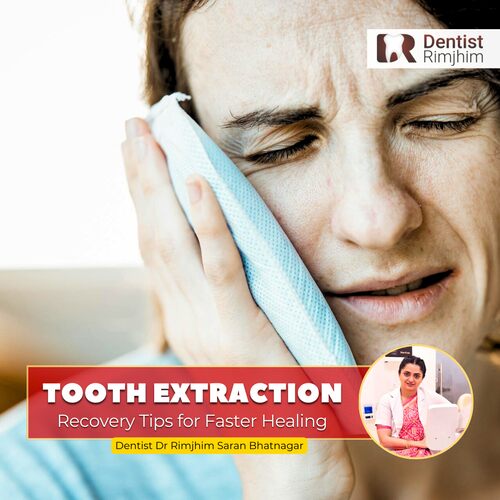
Managing swelling is another key part of recovery. Applying an ice pack on the cheek near the extraction area for 10–15 minutes at a time during the first day can help reduce swelling and discomfort. After the first 24 hours, mild warmth may help improve blood circulation and healing.
Diet plays a significant role in recovery. Soft foods such as yogurt, khichdi, mashed potatoes, smoothies, and soups are recommended during the initial healing period. Hot, spicy, crunchy, or hard foods should be avoided for a few days as they may irritate the extraction site.
Oral hygiene must be maintained carefully. While brushing should continue, the extraction area should be avoided for the first day. After 24 hours, gentle rinsing with warm salt water can help keep the area clean and reduce infection risk. However, aggressive mouth rinsing should still be avoided.
Pain management should be done as per the dentist’s prescription. Taking medications on time helps control pain and prevents unnecessary discomfort. Avoid smoking and alcohol during the healing phase as both can slow tissue repair and increase complication risk.
Rest is often underestimated but very important. Avoid heavy physical activity for at least 24–48 hours after extraction. Excessive activity can increase bleeding and delay healing.
Most extractions heal within one to two weeks, though complete bone healing may take longer. If severe pain, excessive bleeding, swelling that worsens after two days, or fever occurs, immediate dental consultation is necessary.
With proper care, most patients recover smoothly and quickly. Following professional advice and maintaining oral hygiene ensures safe healing and prevents complications, helping patients return to normal routines comfortably.