The Common Mistake That Turns a Small Cavity Into a Root Canal
Summary
- Treat cavities early rather than waiting for severe pain.
- Do not ignore persistent sensitivity or other warning signs.
- Regular dental check-ups can help detect decay before it becomes extensive.
A small cavity may seem harmless at first. You may notice only mild sensitivity, occasional discomfort, or nothing at all. However, tooth decay can gradually progress deeper into the tooth when left untreated. What could have been managed with a simple filling may eventually require root canal treatment.
Dr Rimjhim Saran Bhatnagar, one of the experienced dentists for root canal treatment in Delhi, explains why delaying treatment is one of the most common mistakes patients make when dealing with a cavity.

Why Can Delaying a Cavity Turn It Into a Root Canal?
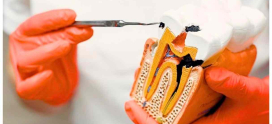
A cavity begins by affecting the outer layer of the tooth. If detected early, the decay can often be treated with a filling. But when treatment is postponed, decay can move through the enamel and dentine towards the pulp, where the nerves and blood vessels are located.

Once the pulp becomes severely inflamed or infected, a filling may no longer be enough. Root canal treatment may then be needed to remove the affected tissue, clean the inside of the tooth, and preserve the natural tooth.
“A cavity may start small, but delaying treatment can give decay the opportunity to reach the very centre of the tooth.” Says Dr Rimjhim Saran Bhatnagar, specialist in Delhi for Root Canal Treatment.
Ignoring Early Sensitivity
Sensitivity to hot, cold, or sweet foods may be an early warning sign of dental decay. Even if the discomfort is mild or disappears quickly, it is worth getting the tooth examined rather than assuming the problem will resolve on its own.
Waiting Until the Tooth Starts Hurting
Pain often motivates people to visit a dentist, but waiting for severe pain can mean allowing the underlying problem to progress. Some cavities can also become advanced without causing significant pain in the beginning.

Skipping Regular Dental Check-Ups
A cavity may develop in an area that is difficult to see in the mirror. Regular dental examinations can help identify decay at an earlier stage, sometimes before noticeable symptoms appear.
Assuming a Small Cavity Is Not Serious
The visible part of a cavity does not always indicate how far the decay has progressed underneath. A dentist may need to examine the tooth clinically and, when appropriate, use dental X-rays to assess its condition.
Delaying Treatment Because of Dental Anxiety
Fear of dental treatment can cause people to postpone appointments. However, delaying treatment can sometimes result in a more complicated procedure later. Discussing your concerns with the dentist can help you understand what treatment is actually required.
Not Following the Dentist’s Advice
If a dentist recommends treating a cavity, postponing the procedure indefinitely can give the decay more time to progress. Following a personalised treatment plan can help protect the tooth and reduce the likelihood of more extensive intervention.