Dry Mouth Symptoms – Hidden Dental and Oral Risks Explains Dentist Rimjhim
Dry mouth is often overlooked as a minor discomfort, but it can signal deeper oral health issues. Many people live with dry mouth symptoms daily without realizing the damage they may be causing to their teeth, gums, and overall oral health. Left untreated, this condition can quietly increase the risk of cavities, infections, and long-term dental problems, says Dr. Rimjhim Bhatnagar, who is an experienced and a leading dentist in Delhi.
What Is Dry Mouth?
Dry mouth, medically known as xerostomia, occurs when the salivary glands do not produce enough saliva to keep the mouth adequately moist. Saliva is not just water; it plays a crucial protective role. It helps wash away food particles, neutralizes acids produced by bacteria, aids digestion, and protects the enamel from decay. When saliva levels drop, the mouth becomes more vulnerable to damage and infection.
Why Saliva Is Essential for Oral Health?
Saliva acts as the body’s natural defense system for the mouth. It contains enzymes that begin digestion and antibodies that fight harmful bacteria. It also helps maintain a balanced pH level inside the mouth. Without sufficient saliva, acids build up more easily, plaque accumulates faster, and teeth become more prone to decay.
A healthy saliva flow keeps soft tissues lubricated, making speaking, chewing, and swallowing comfortable. When this balance is disturbed, even simple daily activities can become uncomfortable.
Common Symptoms of Dry Mouth
Dry mouth symptoms can range from mild irritation to severe discomfort. People often notice a persistent feeling of dryness or stickiness inside the mouth. Cracked lips, difficulty swallowing, frequent thirst, a burning sensation on the tongue, and altered taste are also common signs.
In some cases, individuals may experience bad breath, thick or stringy saliva, or increased sensitivity in their teeth. These symptoms may seem minor at first but can gradually lead to bigger dental concerns.
Hidden Dental Risks Linked to Dry Mouth
One of the biggest risks of untreated dry mouth is tooth decay. Without saliva to neutralize acids and rinse away bacteria, cavities can develop quickly, especially along the gum line. Gum inflammation and periodontal disease also become more likely because bacteria thrive in a dry environment.
Dry mouth increases the risk of oral infections such as fungal infections, including oral thrush. The tongue and inner cheeks may become sore, and dentures may feel uncomfortable due to a lack of natural lubrication. Over time, untreated dryness can even lead to enamel erosion and long-term structural damage to teeth.
Causes of Dry Mouth
Several factors can contribute to dry mouth. Certain medications, especially those prescribed for blood pressure, anxiety, allergies, and depression, are common triggers. Medical conditions such as diabetes, autoimmune disorders, and hormonal imbalances can also reduce saliva production.
Lifestyle habits play a role as well. Smoking, excessive caffeine intake, dehydration, and mouth breathing can worsen dryness. In some cases, stress and aging may contribute to reduced salivary function.
How to Manage and Prevent Dry Mouth?
Managing dry mouth starts with identifying its cause. Staying well hydrated is essential. Drinking water regularly throughout the day helps maintain moisture levels. Limiting caffeine and alcohol can also reduce dryness.
Maintaining strict oral hygiene becomes even more important when saliva production is low. Brushing twice daily with fluoride toothpaste and flossing regularly helps prevent decay. Using alcohol-free mouthwashes and sugar-free chewing gum can stimulate saliva flow.
In more severe cases, dentists may recommend saliva substitutes or prescribe medications that help stimulate salivary glands. Regular dental check-ups ensure early detection of any complications related to dry mouth.
When to Seek Professional Help?
If dry mouth persists for weeks, causes difficulty in eating or speaking, or leads to frequent dental issues, professional evaluation is necessary. Early diagnosis and treatment can prevent serious oral health complications.
Dry mouth may appear harmless, but it is often a warning sign that the mouth’s natural protective system is compromised. Addressing it early not only preserves dental health but also supports overall well-being.
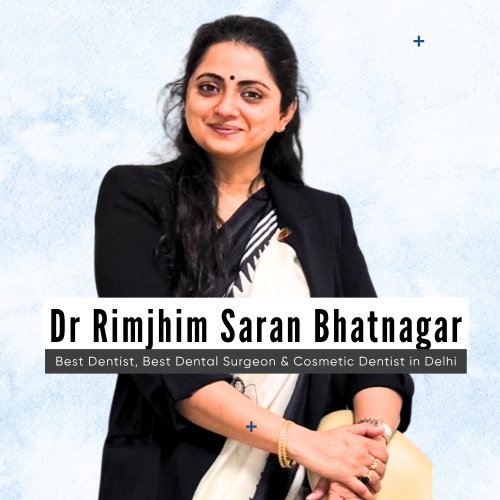
With an illustrious career spanning nearly two decades, Delhi’s best dentist, the leading dentist who specialises in root canal treatment, dental implants, pediatric dentistry, cosmetic dentistry, dental surgeries, and more, Dr Rimjhim Saran Bhatnagar, is a highly skilled and experienced dental specialist committed to providing exceptional patient care. Her expertise encompasses a comprehensive range of advanced dental procedures, from routine oral care to complex restorative and cosmetic treatments.
Dr. Rimjhim holds a Bachelor of Dental Surgery (BDS) and a Master’s Degree in Oral Medicine, Oral Diagnosis, and Oral Radiology. With over 12 years of experience working in some of the leading Delhi government hospitals, she has earned a reputation as one of the best dentists in Delhi, the best dental surgeons in Delhi, and a top cosmetic dentist in Delhi.… Read More