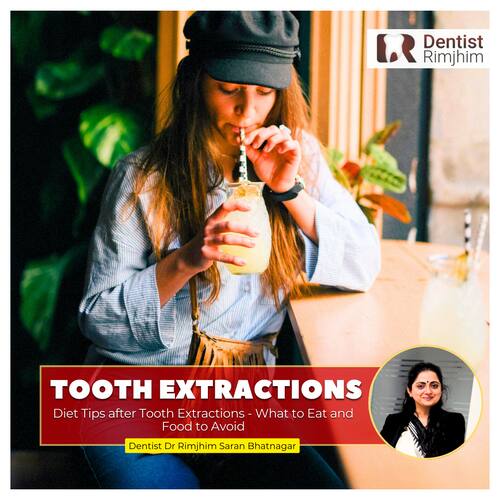
Tooth extraction is a common dental procedure, but proper aftercare—especially your diet—plays a crucial role in healing. What you eat (and avoid) after a tooth extraction can significantly affect pain levels, recovery speed, and the risk of complications like infection or dry socket. Choosing the right foods helps protect the extraction site, promotes tissue healing, and keeps discomfort to a minimum.
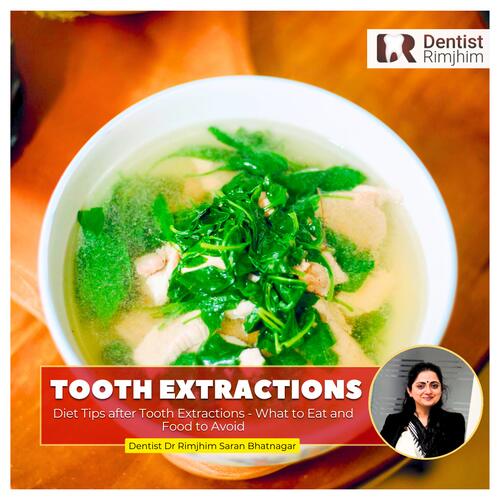
This guide explains what tooth extraction is and provides clear, practical diet tips to follow after the procedure, as shared by Dr Rimjhim Saran Bhatnagar, an experienced dentist for painless tooth extraction in Delhi.
What Is Tooth Extraction?
Tooth extraction is the removal of a tooth from its socket in the jawbone. Dentists perform extractions when a tooth is severely decayed, infected, damaged, or causing crowding. There are two main types: simple extraction, which is done on fully visible teeth under local anesthesia, and surgical extraction, which may involve removing gum tissue or bone to extract teeth that are impacted or broken.
After extraction, the body forms a blood clot in the socket to protect the area and promote healing. Disturbing this clot—through aggressive rinsing, spitting, or consuming inappropriate foods—can delay healing and lead to complications like dry socket, which is painful and requires additional treatment.
Diet Tips After Tooth Extraction
-
Stick to Soft Foods Initially
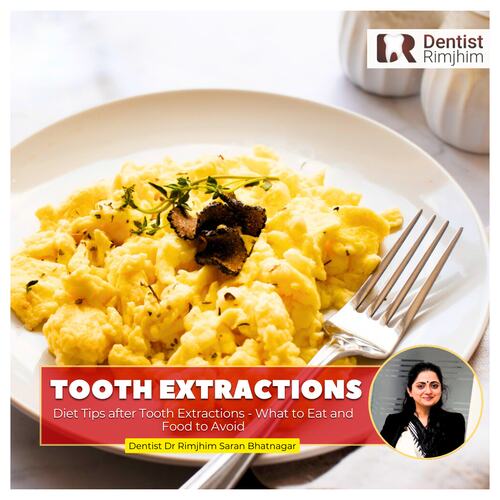
For the first 24–48 hours, focus on soft, easy-to-chew foods that do not irritate the extraction site. Options include yogurt, mashed potatoes, applesauce, scrambled eggs, oatmeal, soups (lukewarm, not hot), and smoothies. These foods require minimal chewing and reduce the risk of dislodging the blood clot.
-
Avoid Hot and Spicy Foods
Hot or spicy foods can irritate the extraction site, increase swelling, and intensify pain. It’s best to consume lukewarm or cool foods during the initial healing period to ensure comfort.
-
Skip Crunchy or Hard Foods
Foods like chips, nuts, popcorn, and raw vegetables may get stuck in the extraction site or damage the healing tissue. Wait until your dentist confirms that the socket has healed enough to tolerate firmer textures.
-
Stay Away from Acidic or Sugary Foods
Citrus fruits, carbonated drinks, and sugary snacks can irritate the extraction site and increase the risk of infection. These should be avoided for at least the first few days.
-
Incorporate Protein and Nutrient-Rich Foods
Protein supports tissue repair and overall healing. Soft sources like eggs, tofu, yogurt, and protein shakes are ideal. Include foods rich in vitamins C and A, which help with collagen formation and gum healing, such as pureed fruits or cooked vegetables.
-
Stay Hydrated
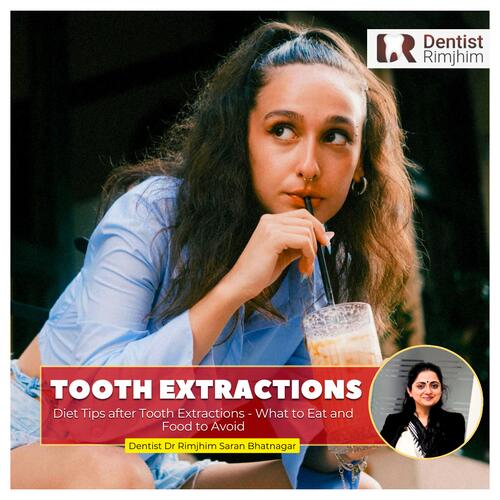
Drinking plenty of water promotes healing and helps keep the mouth clean. Avoid using straws during the first week, as the suction can dislodge the blood clot.
-
Cold Foods Can Soothe Pain
Ice cream, smoothies, and chilled yogurt can reduce swelling and numb discomfort. These are safe options as long as they are smooth and free from chunks or hard ingredients.
Foods to Introduce Gradually
As healing progresses over several days, you can slowly reintroduce more solid foods. Soft-cooked vegetables, pasta, rice, and tender meats can be added gradually. Chew away from the extraction site to avoid pressure and trauma. By one to two weeks post-extraction, most patients can return to their normal diet.
Tips for Maintaining Oral Hygiene
Even while eating soft foods, maintaining oral hygiene is crucial. Brush other areas of the mouth gently and rinse with a mild saltwater solution after meals to remove any food particles around the extraction site. Avoid vigorous rinsing or spitting to protect the blood clot.
When to Seek Medical Advice?
If you notice persistent pain, excessive bleeding, swelling that worsens, or signs of infection such as fever, contact your dentist immediately. Prompt attention ensures faster recovery and prevents serious complications.
In summary, a carefully planned diet after tooth extraction supports healing, reduces pain, and minimizes the risk of complications. Prioritizing soft, nutrient-rich foods, staying hydrated, and avoiding irritating or hard foods ensures a smooth recovery. Following these guidelines, along with professional advice from an experienced dentist like Dr Rimjhim Saran Bhatnagar, allows patients to heal comfortably and return to their normal routine safely.