What Are Dental Plaque and How to Prevent Them?
Summary
- Plaque is a sticky layer of bacteria that forms on teeth.
- Unremoved plaque can cause cavities and gum disease.
- Brushing, flossing and regular dental check-ups help prevent buildup.
Oral health plays a crucial role in overall well-being, yet dental problems often begin silently. One of the most common and overlooked issues is dental plaque. If left unmanaged, plaque can lead to cavities, gum disease, and even tooth loss. Understanding what dental plaque is and how to prevent it can help maintain a healthy smile and avoid long-term dental complications, shares Dr Rimjhim Saran Bhatnagar, one of Delhi’s most experienced dentists for preventive dentistry.
Why Does Dental Plaque Develop on Teeth?
Dental plaque is a soft, sticky film that continuously forms on the surface of the teeth. It contains bacteria that feed on sugars and starches present in food and drinks. As these bacteria break down food particles, they produce acids that can gradually damage tooth enamel.
Plaque begins forming soon after eating and drinking. If it is not removed properly through regular brushing and cleaning between the teeth, it can accumulate around the teeth and gumline. Over time, the minerals present in saliva can cause plaque to harden into tartar, which is more difficult to remove.
Plaque and Tartar Are Not the Same
Although plaque and tartar are closely related, they are different. Plaque is soft and can generally be removed through proper daily oral hygiene. Tartar, on the other hand, is hardened plaque that has bonded to the teeth.
Once tartar develops, brushing alone cannot effectively remove it. Professional dental cleaning may be needed to remove these deposits and maintain healthy teeth and gums.
The Effects of Plaque on Teeth and Gums
Plaque buildup can affect both teeth and gums. The acids produced by bacteria can weaken tooth enamel and increase the risk of cavities. When plaque accumulates along the gumline, it can irritate the gums and cause redness, swelling or bleeding.
This early stage of gum inflammation is known as gingivitis. Without appropriate care, gum disease can progress and eventually affect the tissues and bone that support the teeth. Advanced gum disease can contribute to loose teeth and tooth loss.
Plaque can also contribute to persistent bad breath because of the bacteria and food particles trapped around the teeth and gums.
Brushing Twice a Day
Brushing your teeth twice a day is one of the most important steps in controlling plaque. Use a soft-bristled toothbrush and fluoride toothpaste, and brush gently for around two minutes.
Pay attention to every surface of the teeth, particularly the areas near the gumline where plaque tends to accumulate. Brushing too aggressively is not necessary and may irritate the gums or contribute to enamel wear.
Cleaning Between the Teeth
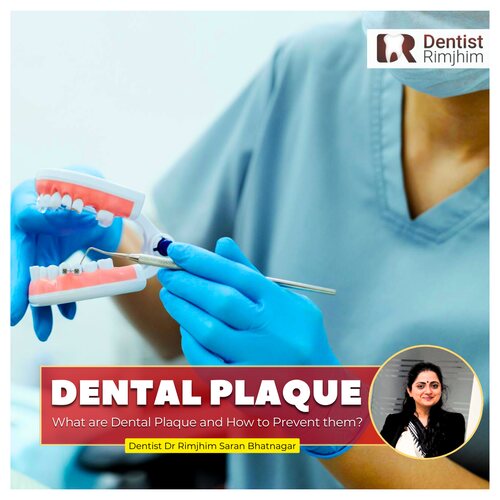
Brushing cannot reach all the areas between teeth. Plaque and food particles can remain trapped in these spaces, making interdental cleaning an important part of oral hygiene.
Dental floss or interdental brushes can help clean these hard-to-reach areas. Your dentist can recommend the most appropriate option depending on the spacing between your teeth and your individual oral health needs.
Reducing Sugar and Frequent Snacking
Diet plays an important role in preventing plaque-related dental problems. Frequent consumption of sugary foods and drinks gives bacteria more opportunities to produce acids that attack the teeth.
Limiting sugary snacks and drinks, particularly between meals, can help reduce the risk of tooth decay. Drinking water throughout the day can also help rinse away food particles and support better oral hygiene.
Regular Dental Check-Ups
Good oral hygiene at home should be supported by regular dental examinations. A dentist can identify plaque-related problems in their early stages and recommend appropriate preventive care.
Professional cleaning may also be necessary when plaque has hardened into tartar. Regular dental visits can help detect cavities, gum inflammation and other oral health concerns before they become more serious.
Preventive Care for a Healthier Smile
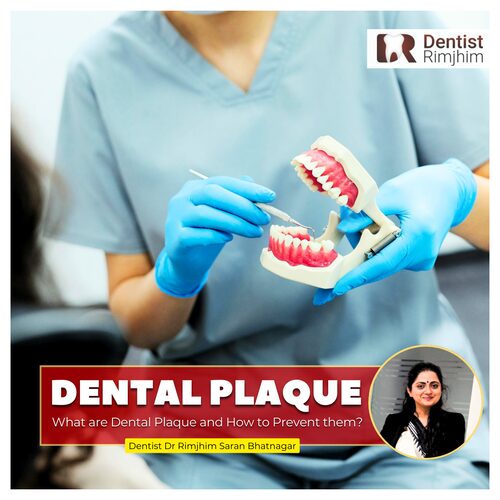
Dental plaque is common, but allowing it to remain on the teeth can have lasting consequences. Consistent brushing, cleaning between the teeth, limiting frequent sugar intake and maintaining regular dental check-ups can significantly reduce plaque buildup and protect oral health.
Preventive dentistry focuses on addressing potential problems before they become major dental concerns. With simple daily habits and professional guidance, it is possible to maintain healthier teeth and gums and preserve a confident smile for years to come.

With an illustrious career spanning nearly two decades, Delhi’s best dentist, the leading dentist who specialises in root canal treatment, dental implants, pediatric dentistry, cosmetic dentistry, dental surgeries, and more, Dr Rimjhim Saran Bhatnagar, is a highly skilled and experienced dental specialist committed to providing exceptional patient care. Her expertise encompasses a comprehensive range of advanced dental procedures, from routine oral care to complex restorative and cosmetic treatments.
Dr. Rimjhim holds a Bachelor of Dental Surgery (BDS) and a Master’s Degree in Oral Medicine, Oral Diagnosis, and Oral Radiology. With over 12 years of experience working in some of the leading Delhi government hospitals, she has earned a reputation as one of the best dentists in Delhi, the best dental surgeons in Delhi, and a top cosmetic dentist in Delhi.… Read More