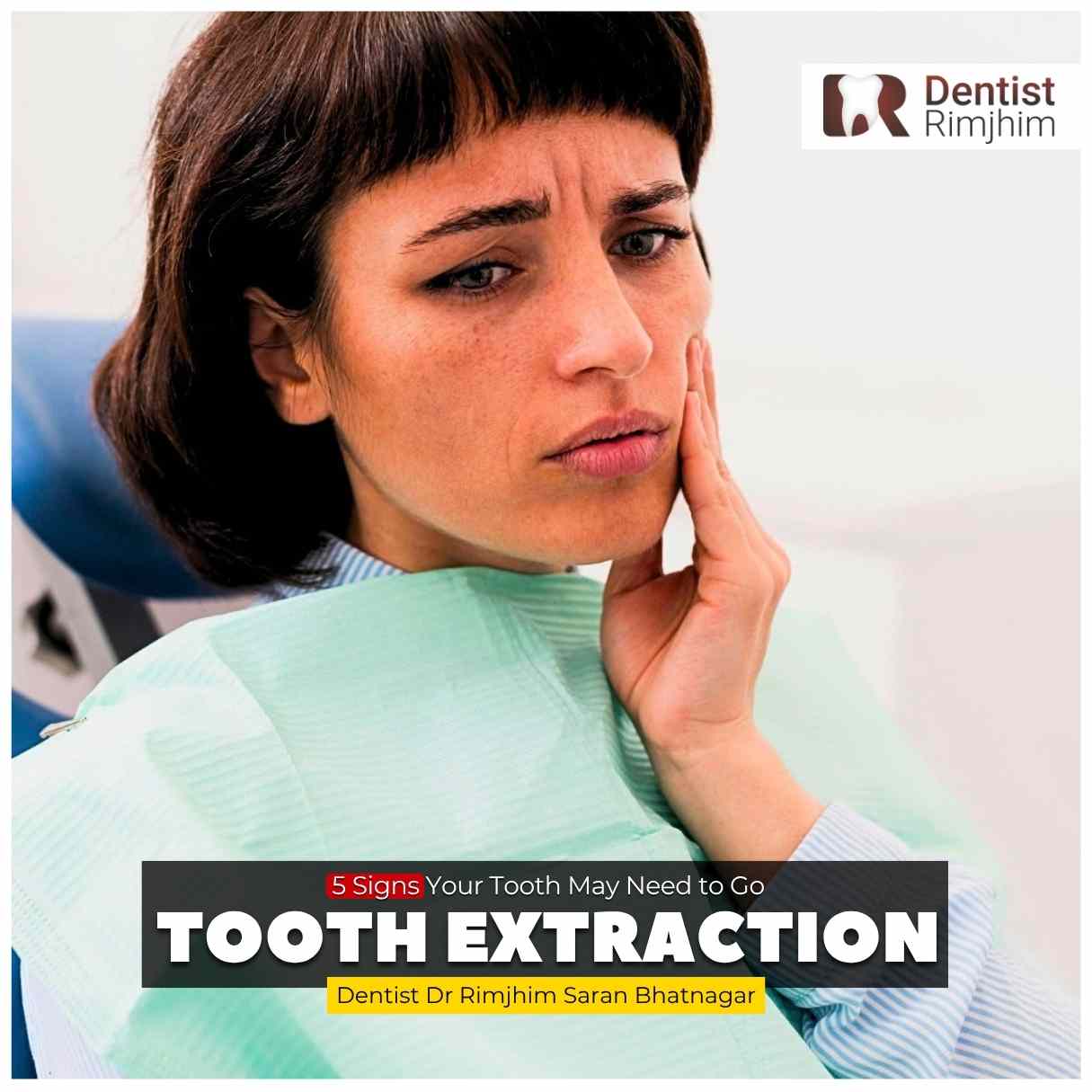
Do You Really Need a Tooth Extraction? 5 Signs Your Tooth May Need to Go
Dentist’s Direct Answer Summary
- Severe decay or fractures may leave a tooth impossible to restore.
- Infection, advanced gum disease, and problematic wisdom teeth may require extraction.
- A dental examination helps determine whether the tooth can be saved.
A toothache does not always mean you need to have your tooth removed. In many cases, treatments such as fillings, root canal therapy, or dental crowns can preserve the natural tooth. However, when a tooth is severely damaged, infected, or too weak to restore, extraction may be necessary.
Recognizing the warning signs can help you seek dental care before the problem worsens. Here are five situations in which a dentist may recommend removing a tooth shares Dr Rimjhim Saran Bhatnagar, who is an eminent dentist for tooth extraction treatment in Delhi.
Can Severe Tooth Decay Make Extraction Necessary?
Tooth decay develops when bacteria damage the enamel and underlying layers of a tooth. Early decay can often be treated with a filling, while more advanced damage may require root canal treatment and a crown.
However, if extensive decay destroys too much of the tooth structure, there may not be enough healthy tissue to support a restoration. Extraction may then be recommended. A dentist can assess the damage through a clinical examination and dental X-rays.
“Tooth extraction should not be the first response to every dental problem. The priority is to assess whether the natural tooth can be preserved safely and effectively.” Says Dr Rimjhim Saran Bhatnagar who is an experienced dentist in south Delhi for tooth extraction treatment.
Does Persistent Tooth Pain Mean You Need an Extraction?
Persistent tooth pain can indicate deep decay, inflammation of the dental pulp, or an infection around the root. Other symptoms may include sensitivity to hot and cold, pain while chewing, and swelling around the affected tooth.
Root canal treatment may save the tooth by removing infected or inflamed tissue. Extraction may be necessary if the tooth cannot be restored or the infection cannot be managed predictably. Facial swelling, fever, or difficulty swallowing or breathing requires urgent medical attention.
Can a Cracked or Broken Tooth Be Saved?
Not every cracked or broken tooth needs to be removed. Depending on the damage, a dentist may repair it with bonding, a filling, or a crown.
However, a fracture extending deep below the gumline or into the root may make the tooth impossible to restore. If you experience sharp pain when biting, discomfort when releasing your bite, or notice a visible crack, arrange a dental examination promptly.
Can Advanced Gum Disease Cause Tooth Loss?
Advanced gum disease damages the tissues and bone supporting your teeth. As this support weakens, teeth may become loose, shift position, or cause discomfort while chewing.
Professional gum treatment may help control the disease and preserve some loose teeth. However, when bone loss is extensive and a tooth has a poor long-term prognosis, extraction may be recommended. Treating the underlying gum disease is also important to protect the remaining teeth.
When Should a Wisdom Tooth Be Removed?
Wisdom teeth do not always require extraction. If they erupt properly, remain healthy, and can be cleaned effectively, they may not need treatment.
However, an impacted wisdom tooth, repeated infections, damage to neighbouring teeth, or persistent pain may make removal necessary. A dentist may recommend an examination and X-rays to assess the tooth’s position and determine the most appropriate treatment.
Can Your Natural Tooth Be Saved Instead of Extracted?
Whenever possible, preserving a natural tooth is generally preferable. Depending on the diagnosis, fillings, root canal therapy, crowns, or gum treatment may offer a way to save it.
Extraction is usually considered when the tooth cannot be restored adequately or keeping it would create ongoing problems. If removal is necessary, your dentist can discuss suitable replacement options, such as a dental implant, bridge, or denture.
The decision should follow a proper dental examination rather than symptoms alone.
Severe decay, persistent infection, extensive fractures, advanced gum disease, and problematic wisdom teeth are five situations in which extraction may be considered. However, these conditions do not automatically mean that a tooth must be removed. Early dental assessment can help determine whether the tooth can be preserved and prevent avoidable complications.
5 FAQs About Tooth Extraction
1. How do I know if my tooth needs to be extracted?
Severe decay, an extensive fracture, advanced gum disease, or an infection that cannot be treated effectively may make extraction necessary. A dentist can determine whether the tooth can be saved.
2. Can a badly decayed tooth be saved without extraction?
Yes, depending on the damage. Fillings, root canal treatment, or a dental crown may preserve the tooth if enough healthy structure remains.
3. Does a tooth infection always require extraction?
No. Many infected teeth can be treated with root canal therapy. Extraction may be recommended if the tooth cannot be restored or the infection cannot be managed predictably.
4. Should a loose tooth always be removed?
No. A loose tooth may sometimes be stabilised with appropriate dental or gum treatment. Extraction may be necessary if the supporting bone and tissues are severely damaged.
5. When should I see a dentist about a possible tooth extraction?
Seek a dental assessment for persistent pain, swelling, a broken tooth, severe decay, or a loose tooth. Facial swelling with fever or difficulty swallowing or breathing requires urgent medical attention.
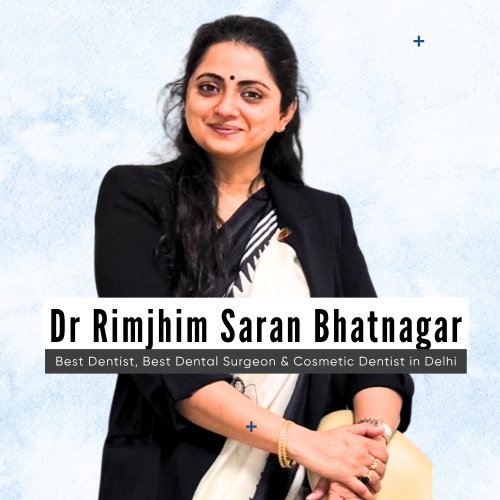
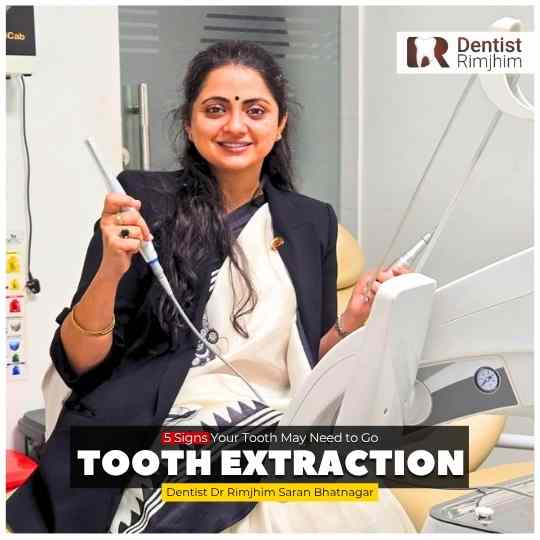
With an illustrious career spanning nearly two decades, Delhi’s best dentist, the leading dentist who specialises in root canal treatment, dental implants, pediatric dentistry, cosmetic dentistry, dental surgeries, and more, Dr Rimjhim Saran Bhatnagar, is a highly skilled and experienced dental specialist committed to providing exceptional patient care. Her expertise encompasses a comprehensive range of advanced dental procedures, from routine oral care to complex restorative and cosmetic treatments.
Dr. Rimjhim holds a Bachelor of Dental Surgery (BDS) and a Master’s Degree in Oral Medicine, Oral Diagnosis, and Oral Radiology. With over 12 years of experience working in some of the leading Delhi government hospitals, she has earned a reputation as one of the best dentists in Delhi, the best dental surgeons in Delhi, and a top cosmetic dentist in Delhi.… Read More