Best Habits to Take Care of Your Teeth and Gums
Summary
- Brush twice daily with fluoride toothpaste.
- Clean between your teeth every day.
- Limit frequent sugary foods and drinks.
Healthy teeth and gums are not just about appearance—they are the foundation of overall well-being. From enjoying your favorite foods to speaking with confidence, your oral health quietly supports everyday life.
Yet, many dental issues begin with small lapses in daily care. The good news is that a few consistent habits can make a lasting difference, helping you avoid discomfort, costly treatments, and long-term damage, shares Dr Rimjhim Saran Bhatnagar, one of the experienced dentists for preventive dentistry in Delhi.
Why Do Daily Habits Matter for Healthy Teeth and Gums?
Your teeth and gums are exposed to food particles, bacteria, acids, and plaque every day. Without proper care, plaque can build up and contribute to tooth decay, bad breath, gum inflammation, and eventually more serious dental problems.
Good oral hygiene is therefore less about complicated routines and more about following simple habits consistently.
Brush Your Teeth Twice a Day
Brushing twice a day is one of the most important habits for maintaining good oral health. Use a soft-bristled toothbrush and fluoride toothpaste to clean the teeth gently.
Avoid brushing too aggressively, as excessive pressure can irritate the gums and contribute to enamel wear. Spend around two minutes brushing and make sure you reach the front, back, and chewing surfaces of your teeth.
Clean Between Your Teeth Every Day
A toothbrush cannot effectively reach every area between the teeth. Food particles and plaque can accumulate in these spaces, increasing the risk of cavities and gum problems.
Daily flossing or using an appropriate interdental cleaning method can help remove buildup from areas that brushing alone may miss.
Keep Your Tongue Clean
The tongue can collect bacteria and food debris, which may contribute to bad breath. Gently cleaning your tongue as part of your daily oral hygiene routine can help maintain a cleaner mouth and fresher breath.
A tongue cleaner or the back of some toothbrushes can be used for this purpose.
Be Mindful of Sugary Foods and Drinks
Frequent consumption of sugary foods and drinks can increase the risk of tooth decay. Oral bacteria use sugars to produce acids that can gradually weaken tooth enamel.
Instead of constantly snacking on sugary foods throughout the day, limit their frequency and choose tooth-friendly options more often. Drinking water after meals can also help wash away food particles and reduce acidity in the mouth.
Drink Enough Water
Water plays an important role in maintaining oral health. It helps wash away food debris and supports saliva production, which naturally protects the teeth against acids.
Choosing plain water instead of sugary beverages can also reduce repeated exposure to sugar and acids.
Do Not Ignore Your Gums
Healthy gums should not regularly bleed, swell, or feel painful. Signs such as persistent bleeding while brushing, redness, swelling, tenderness, or bad breath can indicate an underlying gum problem.
Ignoring these symptoms can allow gum disease to progress. Early dental evaluation can make treatment easier and help protect the supporting tissues around your teeth.
Avoid Using Your Teeth as Tools
Using your teeth to open packets, tear plastic, bite hard objects, or hold items can cause chips, cracks, and other damage.
Teeth are designed for chewing food, not for performing everyday tasks that can put excessive pressure on them.
Replace Your Toothbrush Regularly
A worn-out toothbrush may not clean the teeth effectively. Replace your toothbrush or toothbrush head when the bristles become frayed or approximately every three to four months, or sooner if recommended by your dentist.
A fresh toothbrush with properly aligned bristles can make daily cleaning more effective.
Regular Dental Check-Ups
Daily care is essential, but it cannot replace professional dental examinations. Regular check-ups allow a dentist to identify early signs of cavities, gum disease, enamel damage, and other oral health concerns.
Professional dental cleaning may also be recommended when plaque and tartar cannot be removed through regular brushing and flossing.
Protect Your Teeth Every Day
Maintaining healthy teeth and gums does not require an elaborate routine. Consistent brushing, cleaning between the teeth, a balanced diet, adequate hydration, and regular dental visits can collectively make a significant difference.
As Dr Rimjhim Saran Bhatnagar explains, preventive dentistry focuses on protecting oral health before minor problems develop into major ones. Making these habits part of your everyday routine can help you maintain a healthier smile for years to come.
“Good oral health is built through small habits practiced consistently—not occasional efforts when a dental problem appears.” Says dentist for preventive dental treatment in Delhi, Dr Rimjhim Saran Bhatnagar
When Should You Visit a Dentist?
Do not wait for severe toothache before scheduling a dental appointment. Persistent tooth sensitivity, bleeding gums, swelling, bad breath, tooth pain, loose teeth, or changes in the appearance of your teeth or gums deserve professional attention.
Regular preventive dental visits can help detect problems early and keep your teeth and gums healthy.
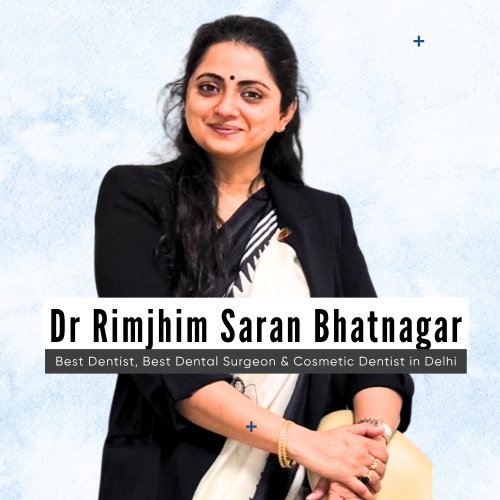
With an illustrious career spanning nearly two decades, Delhi’s best dentist, the leading dentist who specialises in root canal treatment, dental implants, pediatric dentistry, cosmetic dentistry, dental surgeries, and more, Dr Rimjhim Saran Bhatnagar, is a highly skilled and experienced dental specialist committed to providing exceptional patient care. Her expertise encompasses a comprehensive range of advanced dental procedures, from routine oral care to complex restorative and cosmetic treatments.
Dr. Rimjhim holds a Bachelor of Dental Surgery (BDS) and a Master’s Degree in Oral Medicine, Oral Diagnosis, and Oral Radiology. With over 12 years of experience working in some of the leading Delhi government hospitals, she has earned a reputation as one of the best dentists in Delhi, the best dental surgeons in Delhi, and a top cosmetic dentist in Delhi.… Read More